
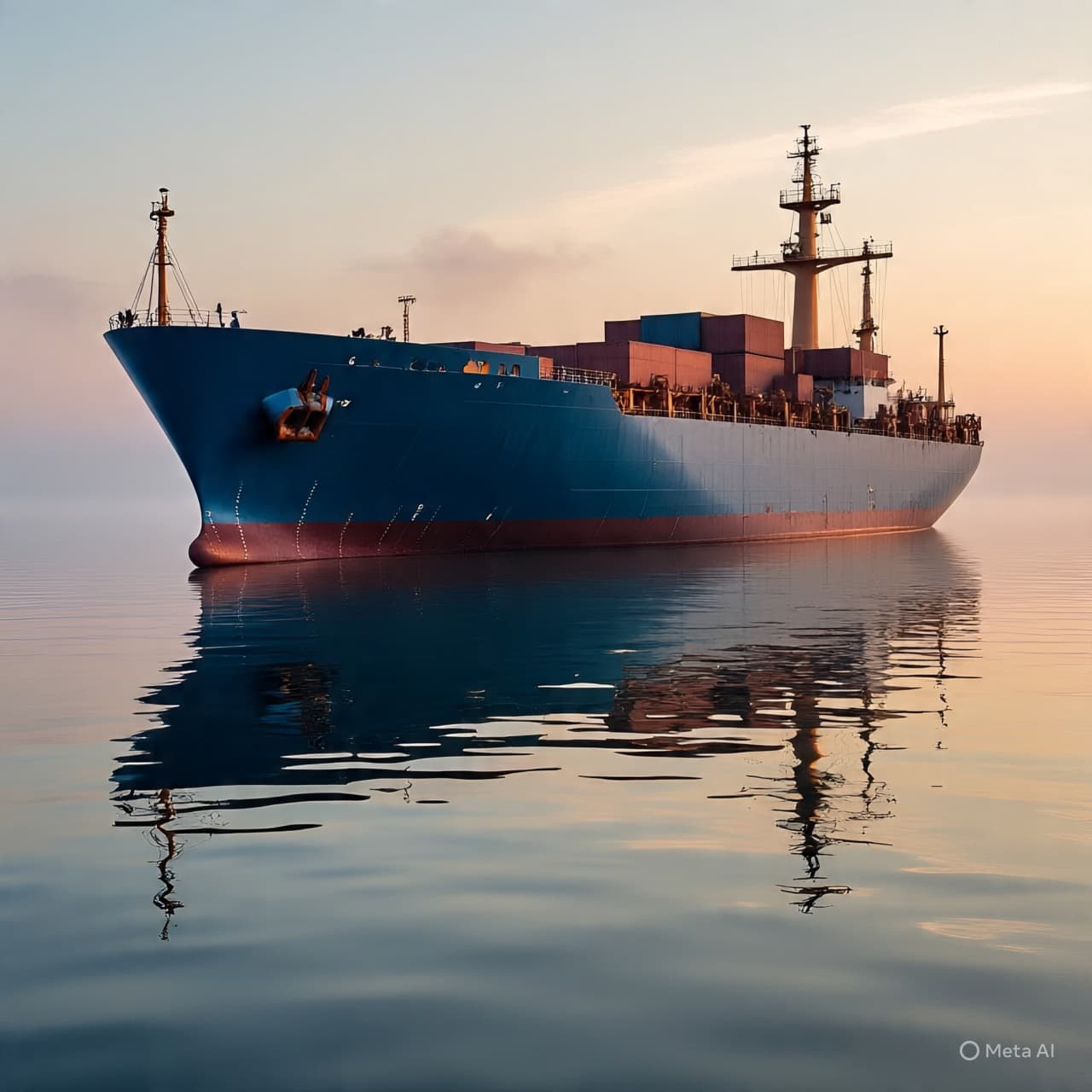
Key Highlights
- Transition to Methanol:Danish companies are introducing carbon-neutral methanol engines in Baltic shipping.
- Environmental Impact:The shift aims to reduce emissions and promote sustainability in maritime transport.
- Future Projections:Analysts predict a significant rise in carbon-neutral fuel usage by mid-century.
The Baltic Sea, a vital artery for trade and commerce, is witnessing a transformative shift as Danish maritime companies begin to deploy vessels powered by carbon-neutral methanol engines. This change is part of a broader initiative to reduce emissions in the shipping industry, which has long been reliant on fossil fuels. The introduction of methanol, derived from renewable energy and captured carbon, represents a significant step towards sustainable maritime operations.
Historically, the Baltic has been a hub for heavy shipping traffic, with vessels often powered by traditional fuels that contribute to air pollution and greenhouse gas emissions. However, the advent of carbon-neutral methanol offers a promising alternative. Unlike gaseous fuels such as hydrogen or ammonia, methanol remains liquid at ambient conditions, making it easier to store and transport using existing port infrastructures. This practicality has allowed it to gain traction in the maritime sector, where the transition to greener fuels is often hampered by logistical challenges.
The Danish maritime industry has been at the forefront of this transition, with several companies already integrating methanol-powered engines into their fleets. These vessels are not merely experimental; they are actively participating in regular trade routes across the Baltic Sea. This region, characterized by its dense network of short-sea shipping and stringent environmental regulations, serves as an ideal testing ground for the adoption of new technologies.
In recent years, Denmark has made significant investments in the infrastructure necessary for this transition. Large-scale e-methanol plants, such as the one in Kassø, are converting renewable electricity, water, and captured CO₂ into fuel. This innovative process not only supports the maritime sector but also addresses the energy needs of industries that cannot easily transition to electric power. By harnessing renewable resources, these facilities are reshaping the future of fuel production.
Looking ahead, analysts predict that by the middle of the century, carbon-neutral fuels like e-methanol could dominate the Baltic ports, provided that the necessary infrastructure and supply chains are developed. However, there is currently a mismatch between the number of vessels ready for green fuel and the availability of that fuel, highlighting the challenges of transitioning to sustainable practices in the shipping industry.
The implications of this shift extend beyond the immediate environmental benefits. As vessels powered by methanol become more common, the Baltic Sea may evolve from a corridor of heavy coal and oil traffic to a pathway for cleaner, more sustainable shipping practices. This transformation not only reflects a commitment to reducing emissions but also signifies a broader cultural shift towards environmental responsibility in global trade.
As the engines of these vessels turn, they carry with them the potential for a quieter, more sustainable future. The Baltic Sea, once a symbol of industrial might, is beginning to breathe differently, embracing a new era of maritime commerce that prioritizes ecological balance alongside economic activity. The journey towards sustainability is ongoing, but the steps taken today may redefine the landscape of shipping for generations to come.
Published by Banx Network. This article is part of the Banx decentralized media programme, powered by the BXE token on the XRP Ledger.



