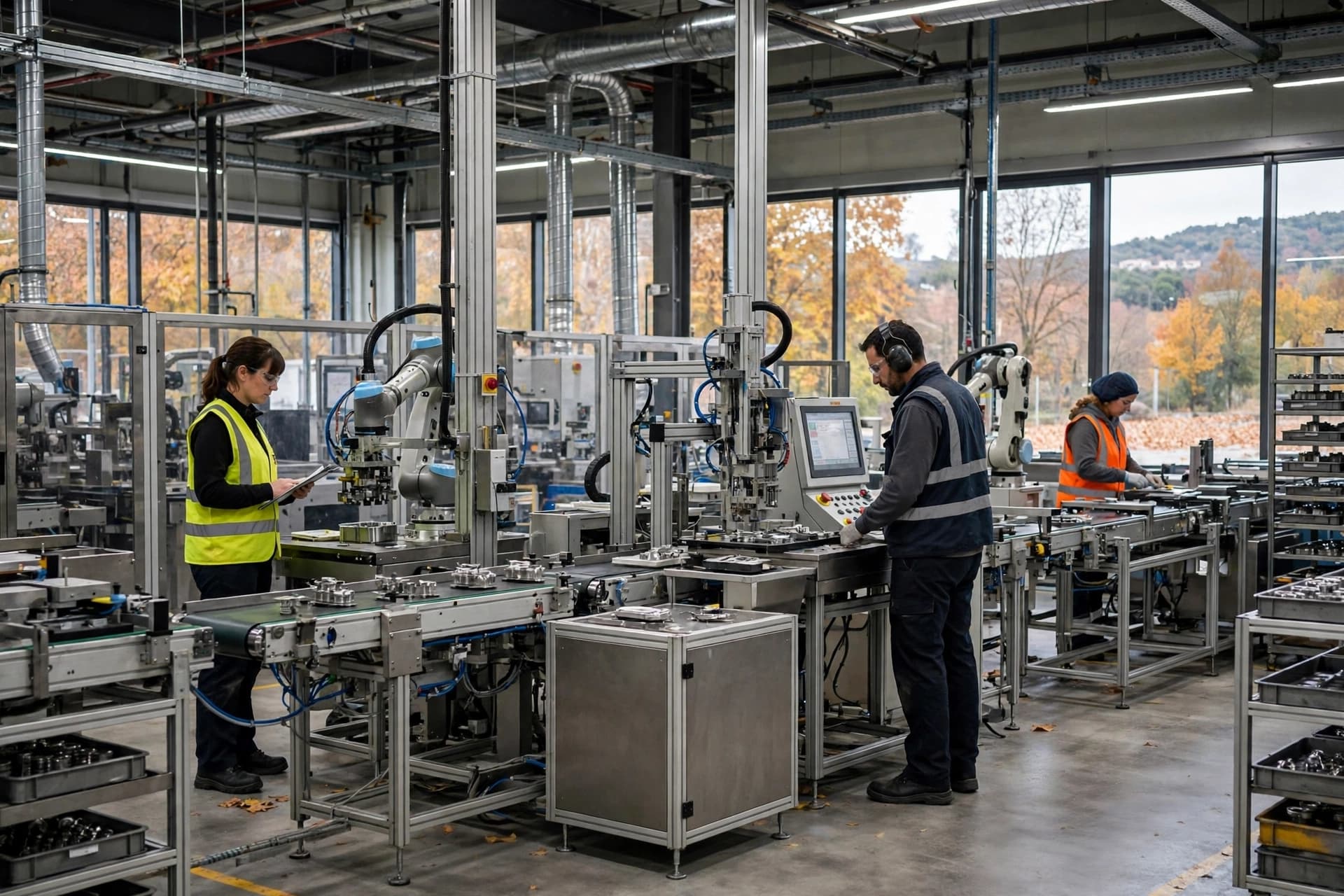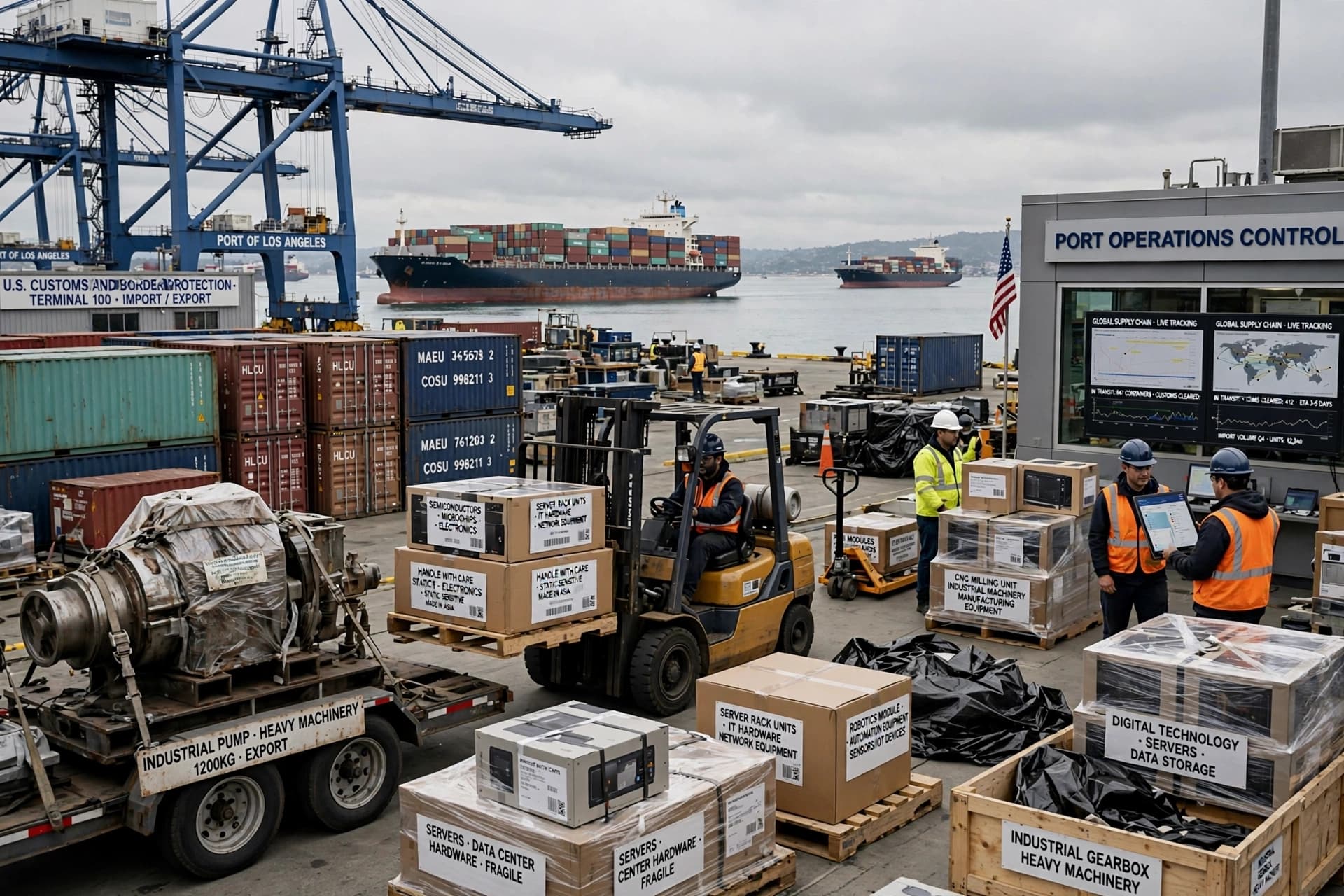
At the edge of American ports, economic change often arrives in physical form: containers, machinery, fuel and manufactured goods moving between ships, warehouses and factories. The latest trade figures show that those flows became considerably larger in August.
The U.S. goods trade deficit widened 11.5% in August to $132.6 billion, according to data from the Commerce Department’s Census Bureau. Economists surveyed by Reuters had expected a smaller deficit of $115 billion.
The increase was driven largely by a sharp rise in imports. Goods imports climbed by $17.4 billion, or 5.5%, to $336.1 billion during the month. Industrial supplies, including petroleum, accounted for a significant part of the increase.
Capital-goods imports also increased by 4%. The rise came as American businesses continued building out artificial-intelligence infrastructure, creating demand for equipment and other investment-related goods.
Food imports rose 5.5%, while consumer-goods imports moved in the opposite direction, falling 1.6%. The differences suggest that the August increase was not simply a broad-based rise across every category, but rather reflected particular areas of demand.
Exports provided some offset. U.S. goods exports increased by $3.7 billion, or 1.9%, to $203.4 billion. Exports of industrial supplies rose 8.3%, although shipments of consumer goods fell 10.5% and exports of motor vehicles and parts declined 6.9%.
Food exports also decreased, falling 5.6% during the month. The uneven movement across export categories shows how trade conditions can differ significantly between industries even within the same monthly report.
The wider trade gap has significance for economic growth because trade has subtracted from U.S. gross domestic product for three consecutive quarters. A larger deficit can weigh on the calculation of economic output when imports rise faster than exports.
There was, however, another movement taking place inside the American supply chain. Wholesale inventories increased 0.7% in August, while retail inventories rose 0.3%. Those gains could help offset part of the economic drag associated with the trade deficit.
The numbers also connect the trade report with the broader investment cycle surrounding artificial intelligence. The increase in capital-goods imports suggests that some of the goods entering the United States are tied not only to immediate consumption, but also to companies building infrastructure for future production and computing capacity.
August’s trade figures therefore reveal an American economy still drawing substantial volumes of goods from abroad. Imports rose considerably faster than exports, widening the deficit even as certain industrial and technology-related investments continued to expand. Behind the headline number is a familiar but constantly changing network of ports, factories, inventories and global supply chains.
Published by Banx Network. This article is part of the Banx decentralized media programme, powered by the BXE token on the XRP Ledger.