
Morning light over Mogadishu arrives softly, filtered through dust and sea air. Along the Indian Ocean, fishermen pull in their nets while market stalls open with quiet ritual. Yet beyond the rhythm of the capital, across parched plains and river valleys, another reality unfolds—one measured not in sunrise but in empty granaries and clinic queues that lengthen by the week.
New assessments from DG ECHO, the Food Security and Nutrition Analysis Unit (FNSAU), the Somali Disaster Management Agency (SODMA), and the Integrated Food Security Phase Classification (IPC) warn that food insecurity and malnutrition rates across Somalia are worsening. Erratic rainfall, localized flooding, and persistent conflict have converged to erode fragile gains made after previous drought cycles. In rural districts, harvests have underperformed; in displacement camps, families rely increasingly on dwindling humanitarian rations.
According to recent IPC projections, millions of Somalis are facing acute food insecurity, with several areas classified in Crisis and Emergency phases. The data, compiled through field surveys and nutrition screenings, point to rising levels of acute malnutrition among children under five. Health centers supported by humanitarian partners report growing admissions for severe acute malnutrition, a condition that narrows a child’s world to the barest essentials of survival.
In Baidoa and parts of central Somalia, the land tells its own story. Crops wither where rains arrived late or not at all. Livestock—once a family’s steady wealth—have been weakened by water scarcity and disease. Pastoralist communities, accustomed to migration in search of pasture, now travel farther and more frequently, tracing uncertain routes across a landscape reshaped by climate variability. Each journey carries risk, and each return yields less.
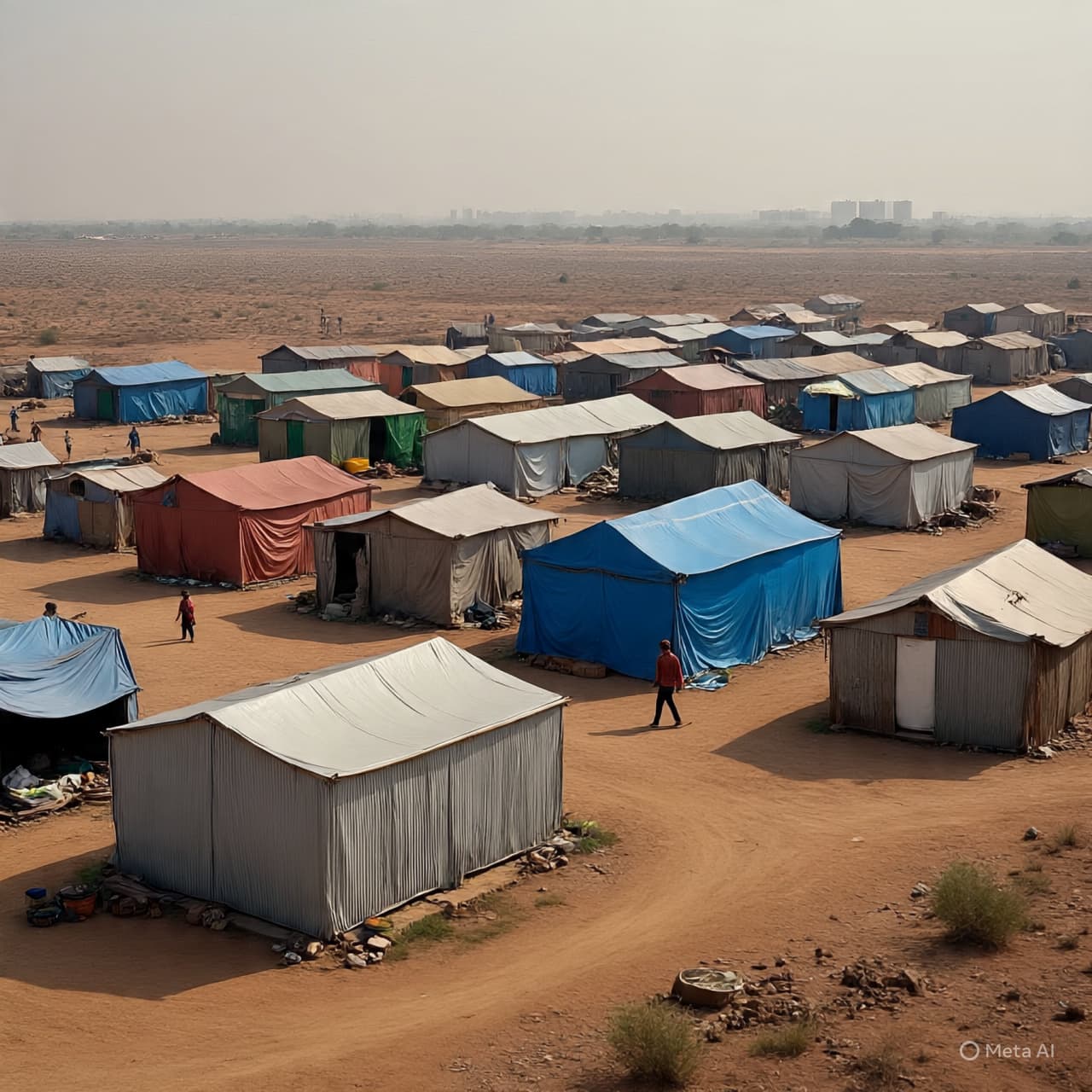
Urban centers, too, feel the strain. Displacement sites on the outskirts of Mogadishu and other towns have expanded as families flee both drought and insecurity. Shelters of corrugated metal and tarpaulin stand in tight rows, exposed to wind and heat. Water trucking and food distributions provide relief, yet humanitarian agencies caution that funding gaps threaten to curtail operations at a moment when needs are rising.
DG ECHO has underscored the urgency of sustained support, noting that Somalia remains highly vulnerable to climatic shocks layered atop protracted conflict. FNSAU’s analysis highlights how even modest price increases for staple foods can tip marginal households into crisis. Markets in several regions report elevated cereal prices compared to seasonal averages, limiting purchasing power for families already stretched thin.
Behind the statistics are quiet, persistent routines: mothers walking miles to nutrition centers; aid workers recording mid-upper arm circumference measurements with careful precision; elders convening beneath acacia trees to discuss dwindling wells. The vocabulary of food security—terms like “Crisis” and “Emergency”—translates on the ground into decisions about which meal to skip, which goat to sell, which journey to attempt.
Somalia has endured cycles of drought and recovery before. The famine of 2011 and the near-famine of 2022 remain etched in collective memory, shaping both national policy and international response. Early warning systems have improved, and coordination among agencies is more structured. Yet the current deterioration, as reflected in the latest IPC analysis, suggests that resilience has limits when shocks compound.
As February draws to a close, the sea continues its steady motion against Mogadishu’s shore. In clinics and coordination centers, maps are studied and plans revised. Humanitarian convoys prepare for long drives across dusty roads, carrying therapeutic food and medical supplies toward communities whose names rarely appear in headlines.
The warning is clear, though expressed in measured tones: without timely funding and expanded assistance, more regions could slip into deeper phases of food insecurity in the coming months. For now, Somalia stands at a precarious threshold—between hardship and catastrophe, between resilience and depletion. And in the quiet spaces between rainfall and harvest, the future hangs on the promise of sustained attention and swift support.
AI Image Disclaimer Visuals are AI-generated and serve as conceptual representations.
Sources DG ECHO Food Security and Nutrition Analysis Unit (FNSAU) Somali Disaster Management Agency (SODMA) Integrated Food Security Phase Classification (IPC) United Nations Office for the Coordination of Humanitarian Affairs
Published by Banx Network. This article is part of the Banx decentralized media programme, powered by the BXE token on the XRP Ledger.


