

Key Highlights
- Iranian authorities claim a missile struck a US Navy destroyer.
- No independent confirmation of the strike has been reported.
- The incident raises significant geopolitical and maritime security concerns.
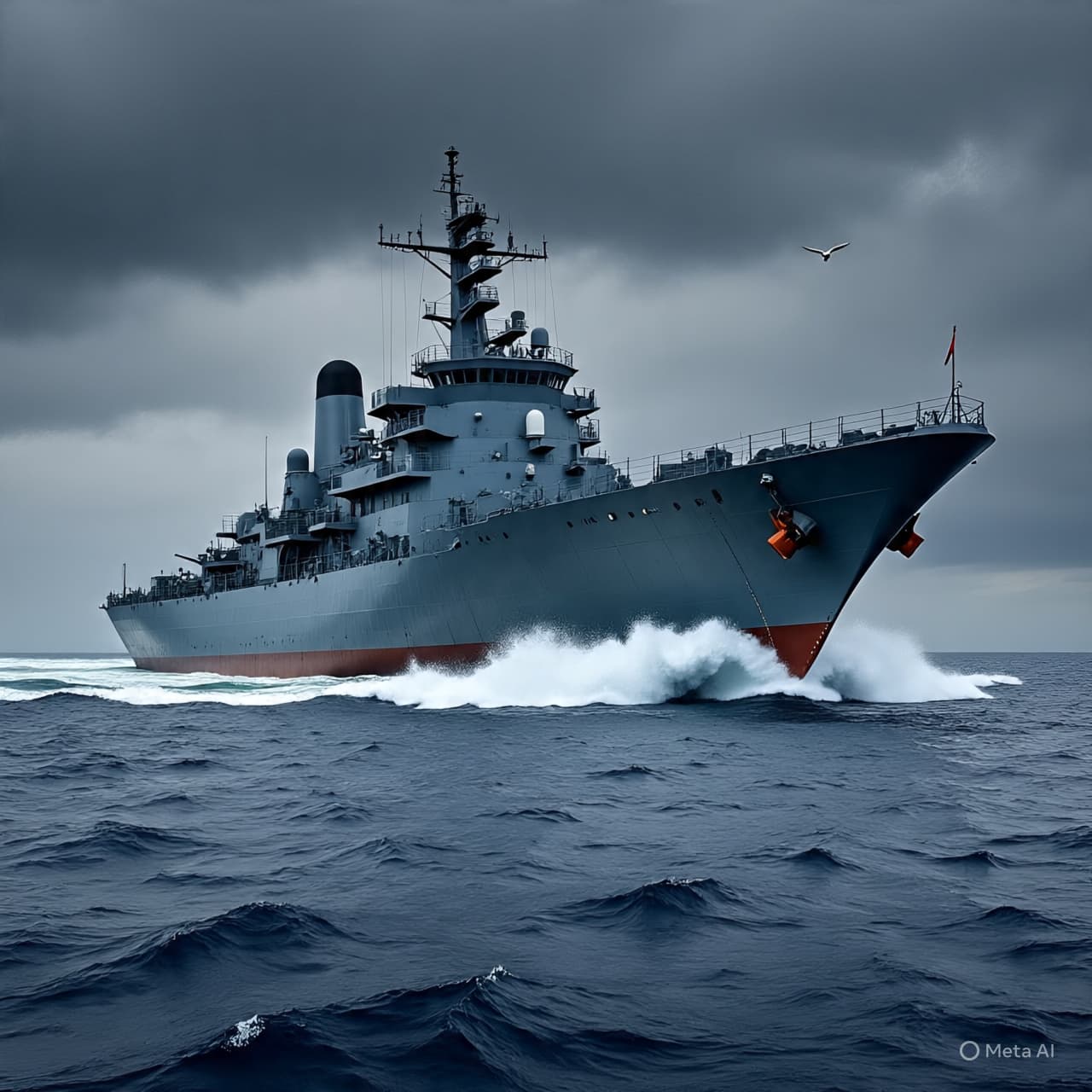
This week, Iranian authorities claimed that one of their ballistic missiles struck a United States Navy destroyer operating in the Indian Ocean. The assertion, broadcast through state media channels, has drawn significant international attention and suggests a potential escalation in an already tense maritime environment. However, the U.S. Navy has not confirmed any such incident, and officials typically emphasize operational security and verification protocols before making public statements.
The vessel involved was described as a U.S. destroyer, but the lack of immediate independent verification raises questions about the accuracy of the Iranian claim. Historically, the U.S. military has approached such assertions with caution, often waiting for corroborating evidence before responding. This incident is particularly sensitive given the strategic importance of the Indian Ocean, which serves as a vital corridor for global trade and energy shipments.
Iran's ballistic missile capabilities have been a cornerstone of its defense strategy for years. The country has consistently highlighted advancements in missile range and precision, framing these developments as necessary deterrents amid ongoing regional tensions. A claim involving a direct strike on a U.S. naval asset carries significant implications, not only for military dynamics but also for diplomatic relations in the region.
The Indian Ocean is not just a vast expanse of water; it is a critical zone for international naval operations, with multiple countries maintaining a presence in the area. A confirmed attack on a U.S. destroyer would have far-reaching consequences, potentially altering the balance of power and raising urgent questions about maritime security and escalation management.
Regional analysts emphasize that information warfare often accompanies heightened tensions. Claims and counterclaims can shape public narratives before independent verification occurs. In such scenarios, governments typically rely on satellite imagery, radar tracking data, and intelligence assessments from allies to draw conclusions about the veracity of such incidents.
The broader context includes ongoing friction between Iran and the United States, driven by issues such as sanctions, regional influence, and security arrangements. Previous maritime encounters, including drone interceptions and tanker seizures, have shown how quickly tensions can escalate, attracting global scrutiny. However, these incidents have also demonstrated a measured effort to avoid direct conflict, at least in public discourse.
As it stands, the Iranian claim remains unverified by U.S. officials, and international observers are closely monitoring the situation for further statements from Washington and allied governments. The focus now shifts to verification, with U.S. defense officials expected to assess operational reports while maritime monitoring groups track naval movements in the region. Until more information is available, the incident is characterized by competing narratives rather than established facts.
In the vastness of the Indian Ocean, events can unfold far from public scrutiny. Whether this claim marks a significant turning point in regional dynamics or fades into a pattern of contested assertions will depend on forthcoming developments. For now, both governments maintain their respective positions, and the Indian Ocean continues to serve as a stage for geopolitical maneuvering, watched closely by the international community.
Published by Banx Network. This article is part of the Banx decentralized media programme, powered by the BXE token on the XRP Ledger.




