
Key Highlights
- Recent Israeli airstrikes on Beirut have caused casualties and damage.
- Lebanese Australians are deeply affected, feeling a strong connection to their homeland.
- Public gatherings and protests reflect community solidarity and grief.
The recent escalation of violence in Beirut, marked by Israeli airstrikes, has sent shockwaves across the globe, particularly resonating within the Lebanese Australian community. In cities like Sydney and Melbourne, where Lebanese Australians have built lives far from their ancestral homeland, the news from Beirut is not just a distant headline; it is a painful reminder of their roots and the ongoing struggles faced by their families and friends back home.
As the airstrikes continue, the emotional toll on Lebanese Australians is palpable. Families are left anxiously awaiting news from loved ones, their phones buzzing with messages that carry both hope and despair. Each update is a lifeline, a connection to a place that feels both familiar and distant. The uncertainty surrounding the safety of relatives in Beirut adds a layer of anxiety to their daily lives, transforming routine interactions into moments of tension and concern.
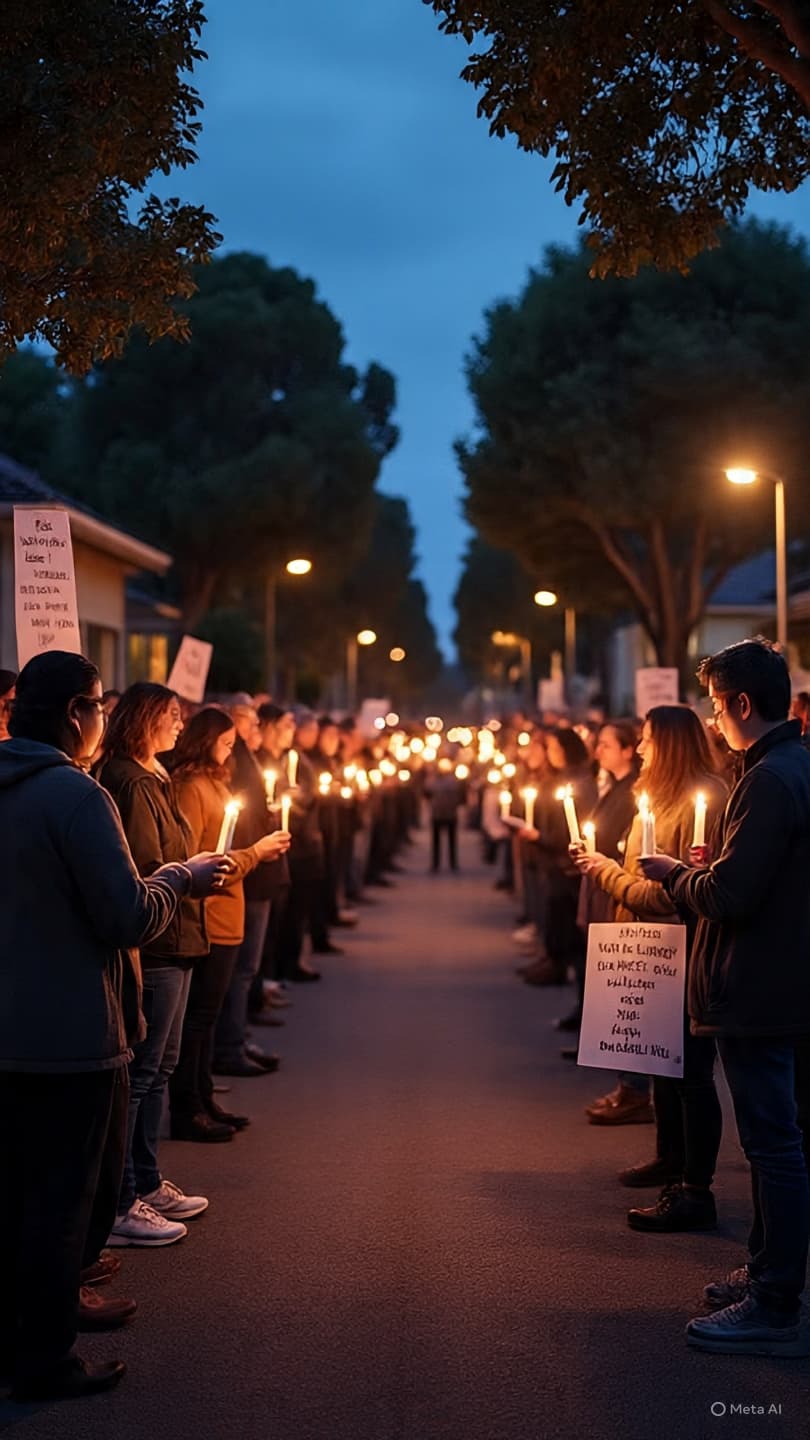
In response to the violence, Lebanese Australians have begun to gather in solidarity, lighting candles and holding vigils to honor those affected by the conflict. These gatherings serve as both a tribute to their heritage and a protest against the ongoing violence. The phrase “there’s people dying for your petrol” has emerged as a rallying cry, encapsulating the frustration felt by many who see the conflict as intertwined with broader geopolitical issues, including energy politics and regional power struggles.
The situation in Lebanon is complex, with the recent airstrikes occurring amid a backdrop of long-standing tensions between Israel and various armed groups in Lebanon. Analysts warn that the fragile balance in the region is at risk of further destabilization, with potential implications for international relations and security. Calls for restraint from diplomatic circles often seem muted compared to the urgency of the situation on the ground, leaving many to wonder what the future holds for Lebanon and its people.
For Lebanese Australians, the conflict is not merely a political issue; it is deeply personal. Many have roots in neighborhoods now under siege, and the emotional connection to their homeland is strong. The distance between Australia and Lebanon, while vast in miles, feels small when weighed against the shared history and cultural ties that bind these communities together.
Despite the turmoil, life in Australia continues. Cafés remain open, children attend school, and daily routines persist. Yet, beneath this surface normalcy lies a current of anxiety and hope. The community watches closely, waiting for news that will either bring relief or further heartache. The echoes of Beirut resonate in their hearts, reminding them that they are part of a larger narrative that transcends borders.
As the situation evolves, the stark realities of the conflict remain. The international community watches with growing concern, aware that the implications of the violence extend far beyond Lebanon’s borders. For Lebanese Australians, the unfolding crisis is a reminder of their identity and the enduring connections they maintain with their homeland, even from thousands of miles away.
Published by Banx Network. This article is part of the Banx decentralized media programme, powered by the BXE token on the XRP Ledger.



