

Key Highlights
- Diplomatic agreements between the U.S. and Iran have allowed South Korean vessels to navigate the Strait of Hormuz.
- The Strait of Hormuz is crucial for global oil and gas shipments, impacting energy supplies worldwide.
- South Korea's economy is heavily reliant on stable maritime trade routes, making these developments significant.
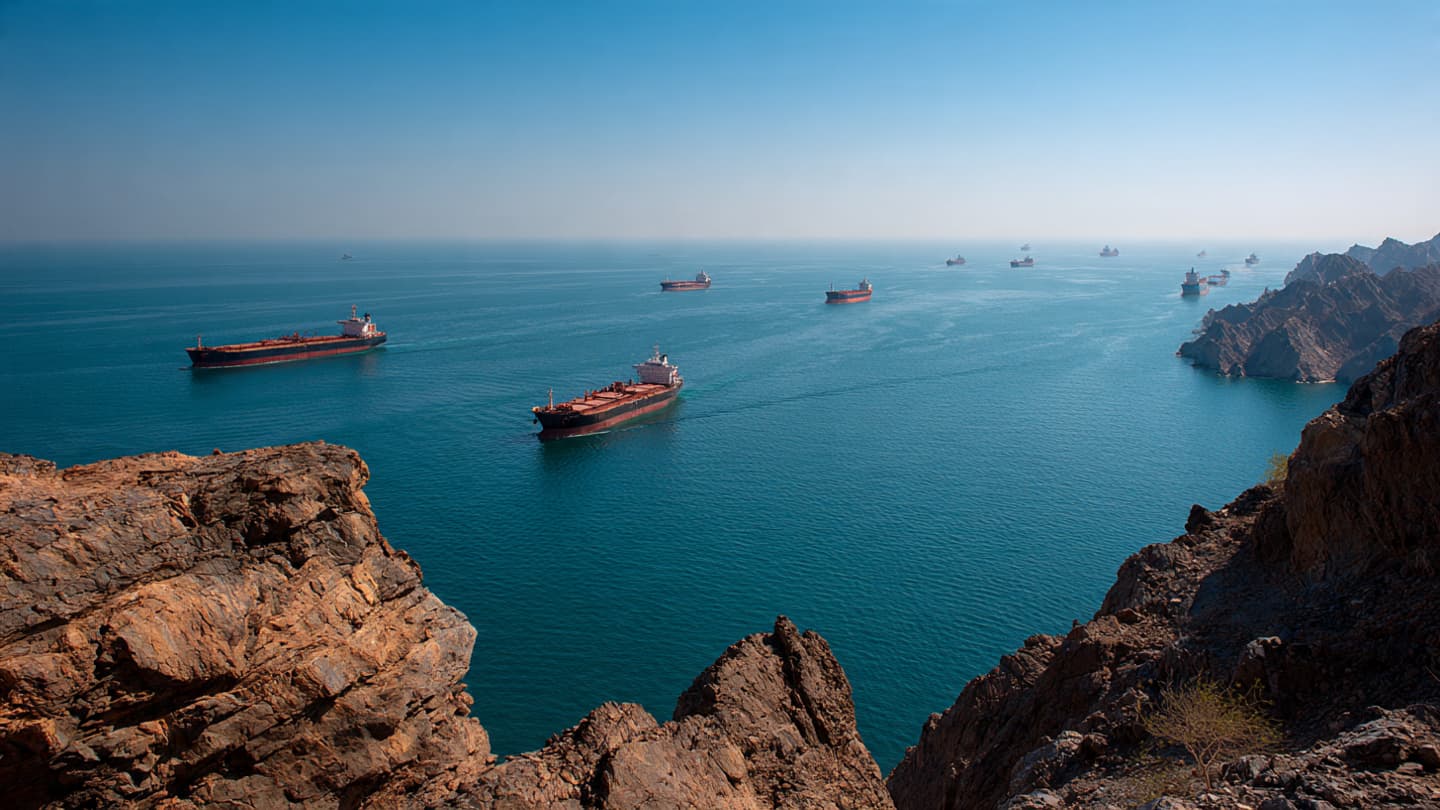
Recent diplomatic developments between the United States and Iran have had a notable impact on global trade, particularly for South Korea. Authorities in South Korea confirmed that vessels operated by domestic companies successfully navigated the strategically vital Strait of Hormuz, following new diplomatic understandings between Washington and Tehran. This passage is one of the world's most critical maritime routes, with a substantial portion of global oil and liquefied natural gas shipments transiting through it daily.
South Korea, which is heavily reliant on imported energy resources, closely monitors any developments that could affect maritime trade routes. The Strait of Hormuz's stability is essential for the nation's energy security, as any disruption could lead to increased shipping costs and broader economic implications. Government officials have indicated that shipping operators are actively coordinating with relevant agencies to assess security conditions and ensure safe navigation practices in the region.
Industry representatives have expressed cautious optimism regarding the recent reduction in tensions between the U.S. and Iran. Shipping companies typically maintain contingency plans to address geopolitical uncertainties that may impact major trade corridors. The ability to navigate the Strait of Hormuz without significant risk is a positive sign for South Korean shipping firms and their operations in the region.
International observers have noted that the ongoing diplomatic engagement between the United States and Iran could lead to greater predictability in regional maritime operations. However, they emphasize that long-term stability will depend on sustained dialogue and confidence-building measures between the two nations. The complexities of international relations mean that while immediate tensions may ease, the underlying issues require ongoing attention.
Financial markets across Asia have reacted with measured optimism, particularly in sectors closely linked to energy imports and maritime transportation. The potential for a more stable trading environment is welcomed by investors, as it could lead to improved economic conditions in trade-dependent nations like South Korea.
For South Korea and many other nations reliant on secure sea lanes, the recent developments underscore the interconnectedness of global trade. Diplomatic efforts in one region can create ripples that influence economies and industries far beyond the immediate area. As the situation evolves, stakeholders will continue to monitor the implications of these diplomatic engagements on maritime trade and energy security.
Published by Banx Network. This article is part of the Banx decentralized media programme, powered by the BXE token on the XRP Ledger.




