
Key Highlights
- Strong Increase:Morocco reports a significant rise in international tourist arrivals in early 2026.
- Diverse Attractions:Travelers are drawn to the country's rich cultural heritage and varied landscapes.
- Economic Impact:Tourism growth is vital for Morocco's broader development strategy.
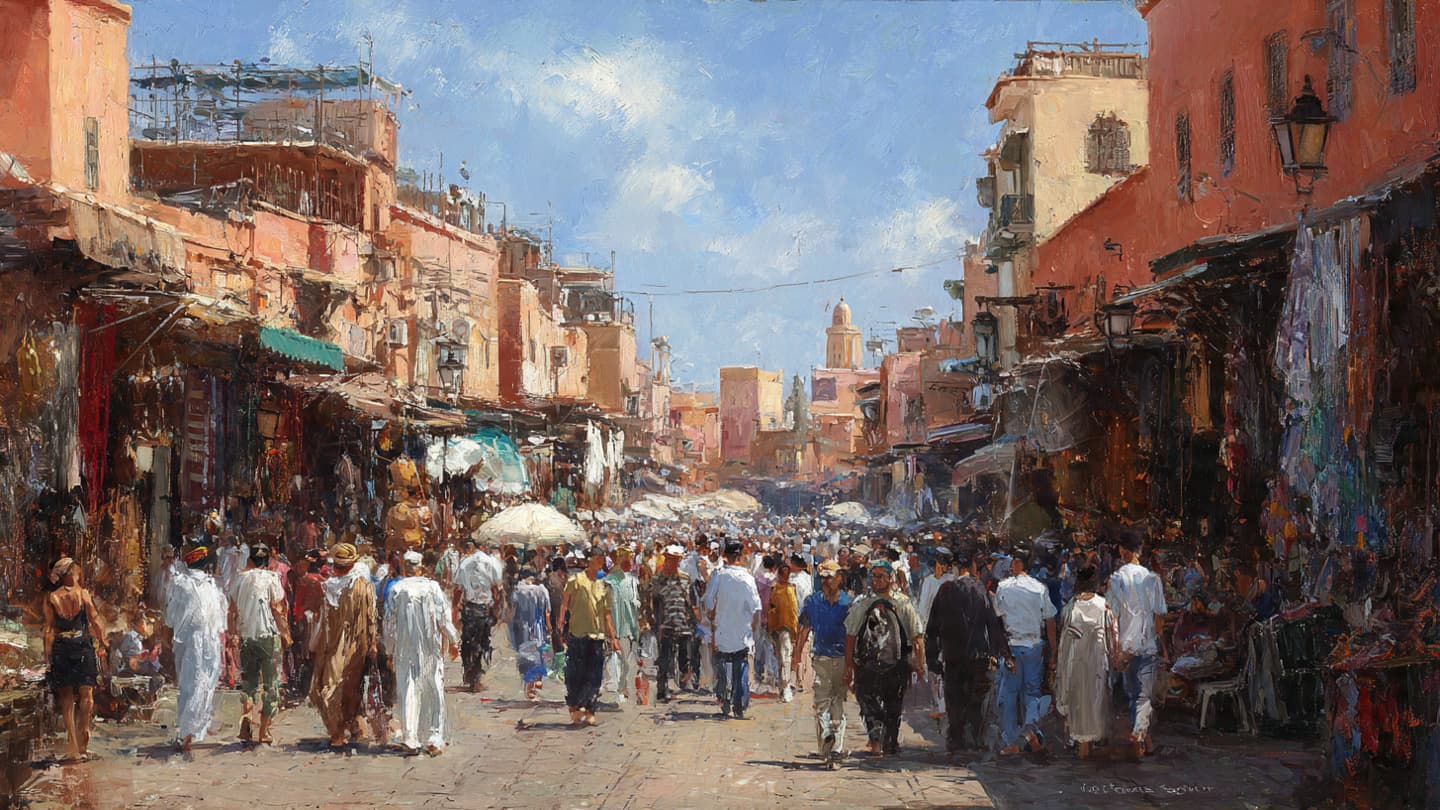
Morning arrives differently in Morocco’s cities during the first months of the travel season. In Marrakech, narrow alleyways begin filling before the heat settles fully across the old stone walls. Along Casablanca’s coastline, cafés reopen their terraces toward the Atlantic breeze, while in Fez, the medina moves again with the layered sounds of footsteps, bargaining, and distant prayer. Across the country, tourism has returned not suddenly, but steadily, like water reclaiming familiar ground.
According to tourism officials and industry observers, Morocco has recorded a strong rise in international tourist arrivals during the early months of 2026. This increase reflects growing international demand for North African destinations that offer cultural heritage, coastal travel, and experiential tourism beyond traditional European circuits. The influx of visitors is a promising sign for the country’s economy, which has been heavily reliant on tourism.
Tourism operators across Morocco describe rising visitor numbers from Europe, the Middle East, and parts of Asia. Historic cities, Atlantic resorts, desert excursions, and mountain destinations have all contributed to the country’s expanding tourism activity during the opening period of the year. The appeal of Morocco lies in its layered geography, where travelers can move between ancient medinas, Atlantic coastlines, snow-touched mountain regions, and the edges of the Sahara within relatively short distances.
Economic analysts view the growth of tourism as central to Morocco’s broader development strategy. The sector supports employment, transportation, hospitality, small businesses, and infrastructure investment across multiple regions. Rising visitor numbers therefore carry importance extending beyond hotels and airports alone. The government has recognized tourism as a key driver of economic growth, and initiatives are in place to enhance the visitor experience while ensuring sustainable practices.
However, the expansion of tourism brings familiar questions surrounding sustainability and preservation. Historic districts face pressure from overcrowding, environmental concerns continue affecting coastal regions, and local communities often balance economic opportunity against rapid commercial transformation. Officials have repeatedly emphasized the need for long-term tourism management strategies capable of protecting cultural and environmental heritage. This includes promoting responsible travel practices and engaging local communities in tourism development.
Despite these challenges, the atmosphere surrounding Morocco’s tourism industry remains optimistic. International travel agencies continue expanding routes, hospitality investments are increasing, and tourism authorities appear confident that the country’s visibility within global travel markets will continue strengthening throughout the year. The government is actively working to promote Morocco as a premier travel destination, highlighting its unique offerings and cultural experiences.
As evenings fall in Rabat, Tangier, and Marrakech, visitors now move again through streets shaped by centuries of trade, migration, and memory. Tourism statistics may describe arrivals and growth percentages, but the country itself experiences the phenomenon differently — through fuller cafés, brighter hotel corridors, and languages from distant places drifting through familiar markets. Moroccan tourism officials expect international arrivals to continue rising during the remainder of 2026 as seasonal travel demand expands across North Africa and Mediterranean destinations.
Published by Banx Network. This article is part of the Banx decentralized media programme, powered by the BXE token on the XRP Ledger.



