There are illnesses that announce themselves loudly, and others that move almost silently through the body, leaving their traces to be discovered only much later. Hepatitis B belongs to the latter category. Now, from laboratories in Brazil to research centers across several continents, scientists are following another path through the disease—one that looks closely at the virus, the immune system, and the small biological differences that may shape a patient’s future.
Two Brazilian public universities have joined an international research consortium seeking new approaches to hepatitis B treatment and, ultimately, the possibility of a cure. The Brazilian participants are the Cassiano Antônio Moraes University Hospital of the Federal University of Espírito Santo and the University of São Paulo.
The global project is led by Johns Hopkins University School of Medicine in the United States and brings together researchers from Brazil, India, Senegal, and Uganda. Across these countries, the study is expected to follow 600 people with hepatitis B, including patients who also live with HIV.
In Brazil, 150 participants are planned, with 75 expected to be analyzed by the Hucam-Ufes research team. Researchers are examining the disease at a cellular level, looking at both the behavior of the virus and the immune responses produced by infected people.
One of the questions moving quietly beneath the study is why hepatitis B progresses differently from one person to another. Genetic characteristics, immune responses, and viral components may all influence how the disease develops, and understanding those differences could help researchers identify biological targets for future therapies.
The Brazilian research team began recruiting participants in July. According to Agência Brasil, 40 people had already been enrolled when the project was reported at the end of August, with researchers aiming to complete the Brazilian group by the end of 2026. The study is expected to continue until the middle of 2027.
The scale of the research reflects the continuing global weight of hepatitis B. The World Health Organization estimated that around 240 million people were living with chronic hepatitis B infection as of 2024. In Brazil, the Ministry of Health reported 276,600 confirmed cases between 2000 and 2022. The infection can damage the liver over time and may lead to cirrhosis or liver cancer.
For researchers, the objective is therefore not simply to observe the virus but to understand the relationship between infection and the human immune response. Discovering markers associated with treatment response or the possibility of eliminating the virus could eventually help guide the development of new medicines, including immunostimulatory or immunomodulatory approaches.
The work remains a research journey rather than a promise of an immediate treatment. Yet scientific progress often begins in precisely this kind of patient observation: hundreds of individual experiences brought together, examined over years, until patterns begin to emerge. In Brazil, those observations now form part of a wider international effort to understand whether the long search for a hepatitis B cure can move another step forward.
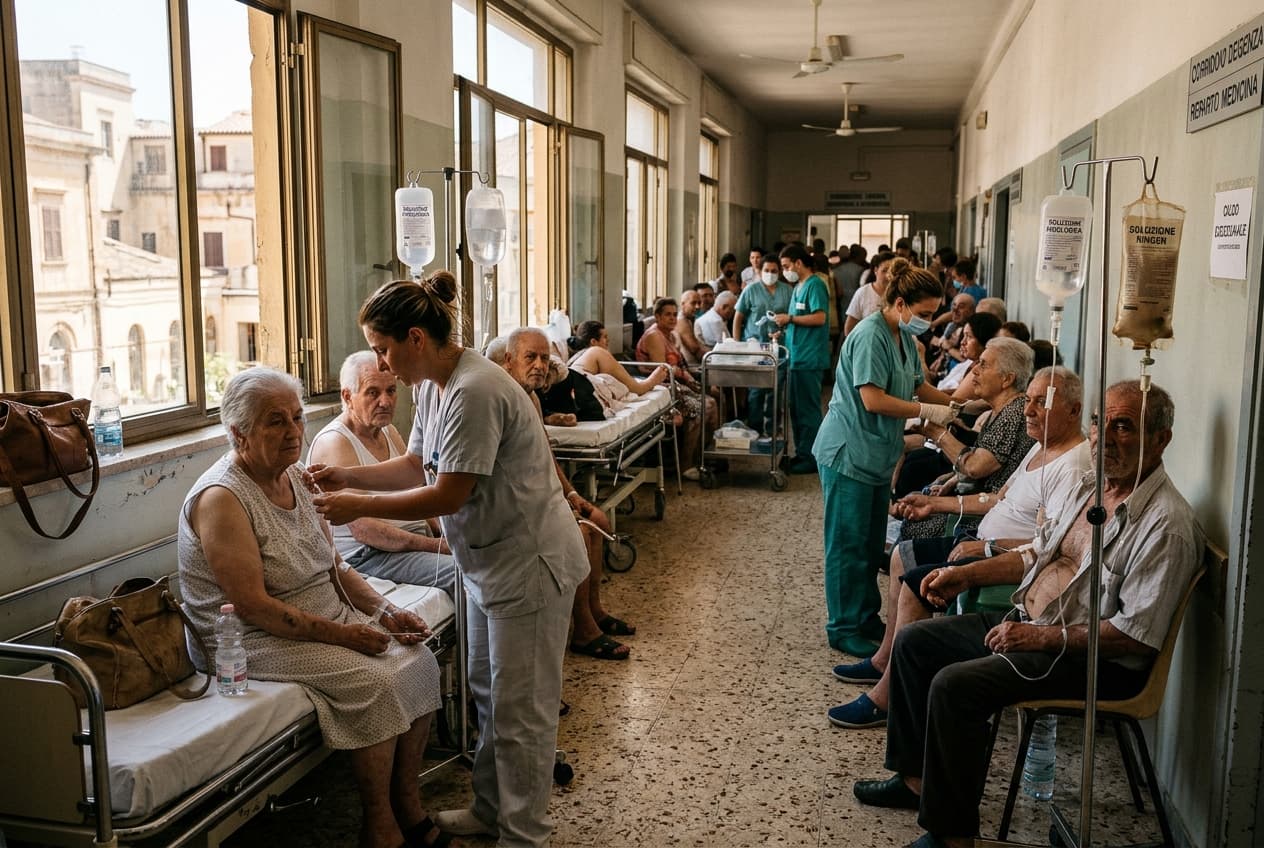
AI Image Disclaimer The visuals accompanying this article are AI-generated conceptual illustrations and should not be interpreted as photographs of the actual research participants, laboratories, or medical procedures.
Sources Agência Brasil World Health Organization Johns Hopkins University Federal University of Espírito Santo University of São Paulo
Published by Banx Network. This article is part of the Banx decentralized media programme, powered by the BXE token on the XRP Ledger.