
Key Highlights
- Kazakhstan is advancing its renewable energy transition through various projects.
- Wind and solar installations are emerging alongside traditional energy systems.
- International support is crucial for Kazakhstan's energy diversification efforts.
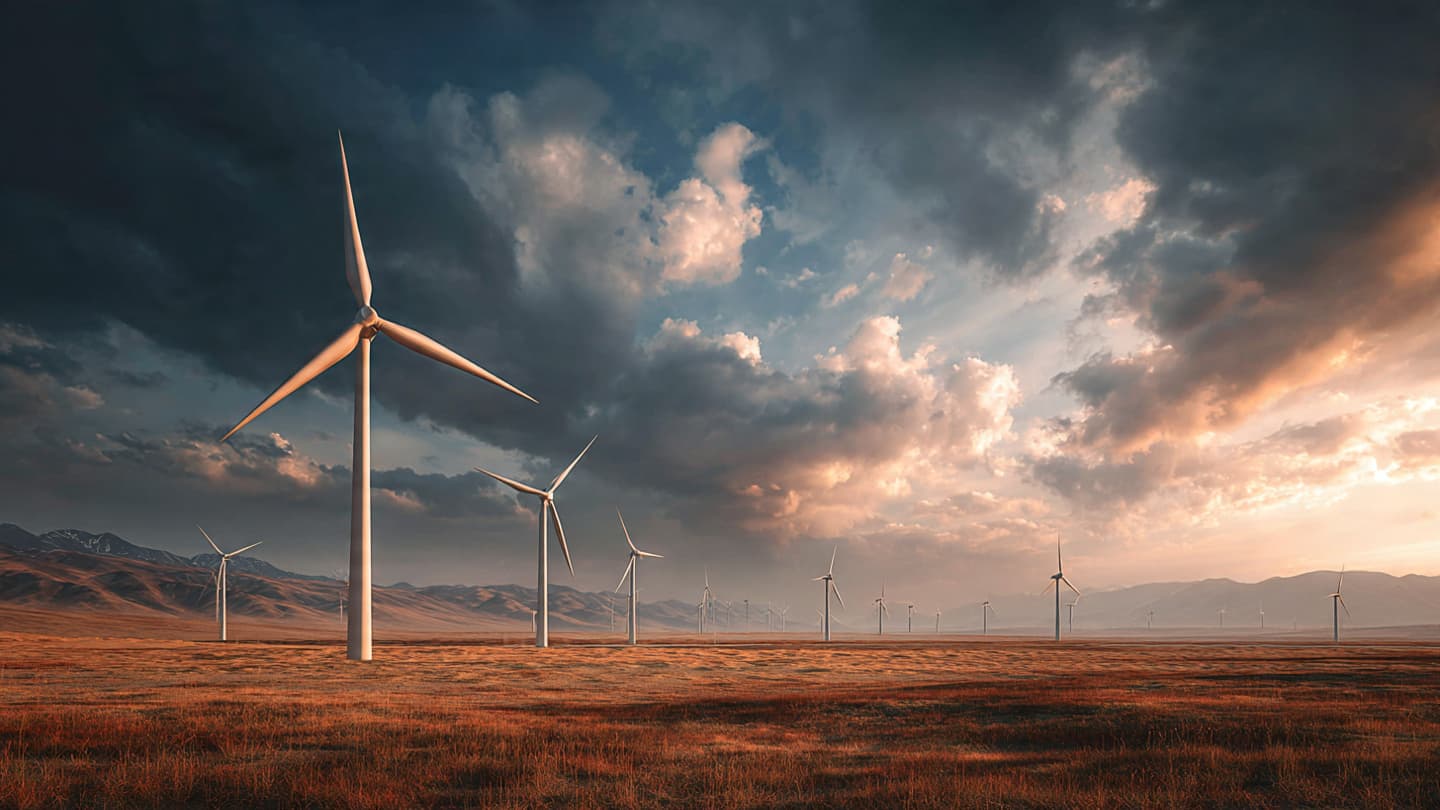
Kazakhstan's vast steppes, long characterized by their oil and coal industries, are now witnessing a significant transformation as the country embraces renewable energy. The wind that once merely swept across the plains is now being harnessed as a powerful resource, marking a pivotal shift in Kazakhstan's energy landscape. Government officials and analysts emphasize that this transition is part of a broader strategy to diversify the energy sector and mitigate environmental impacts.
Across the nation, new renewable energy facilities are being established, with wind farms sprouting up in open plains and solar installations taking advantage of the intense southern sunlight. This dual approach aims to modernize the economy while addressing pressing environmental concerns. The integration of renewable energy sources is seen as essential for Kazakhstan's long-term sustainability and economic resilience.
International organizations and development partners are increasingly backing Kazakhstan's renewable energy ambitions. As Central Asia faces escalating climate challenges, including water scarcity and rising temperatures, the need for a robust energy transition is more urgent than ever. Policymakers are now viewing energy transition not just through an environmental lens but also as a means to enhance economic competitiveness and resilience in the region.
Despite being one of the largest energy producers in Central Asia, Kazakhstan recognizes that its future stability hinges on effectively incorporating renewable energy into its existing industrial framework. The shift from traditional energy sources to renewables is becoming a practical necessity rather than a theoretical concept, as the country seeks to balance its economic needs with environmental responsibilities.
However, the path to a renewable future is fraught with challenges. Significant investments in infrastructure, updated transmission systems, and regulatory frameworks are required to support the growth of renewable energy. Analysts warn that managing the coexistence of established energy industries with emerging renewable sectors is one of Kazakhstan's most pressing economic challenges.
The visual transformation of the landscape is already evident. In many regions, wind turbines now stand tall against horizons that were once dominated by smokestacks and pipelines. Construction crews are busy laying the groundwork for future solar networks, signaling a shift in the economic direction of the country.
For younger professionals and environmental advocates in Kazakhstan, the development of renewable energy projects carries profound symbolic significance. It represents a commitment to participating in a global transition that is reshaping trade, investment, and industrial strategies far beyond Central Asia.
Looking ahead, Kazakhstan is poised to continue expanding its renewable energy initiatives through 2026, with expectations of increased international partnerships and investments in wind, solar, and sustainable energy sectors. This ongoing evolution reflects a nation at the crossroads of tradition and innovation, striving to carve out a sustainable future amid the challenges of a changing climate.
Published by Banx Network. This article is part of the Banx decentralized media programme, powered by the BXE token on the XRP Ledger.



