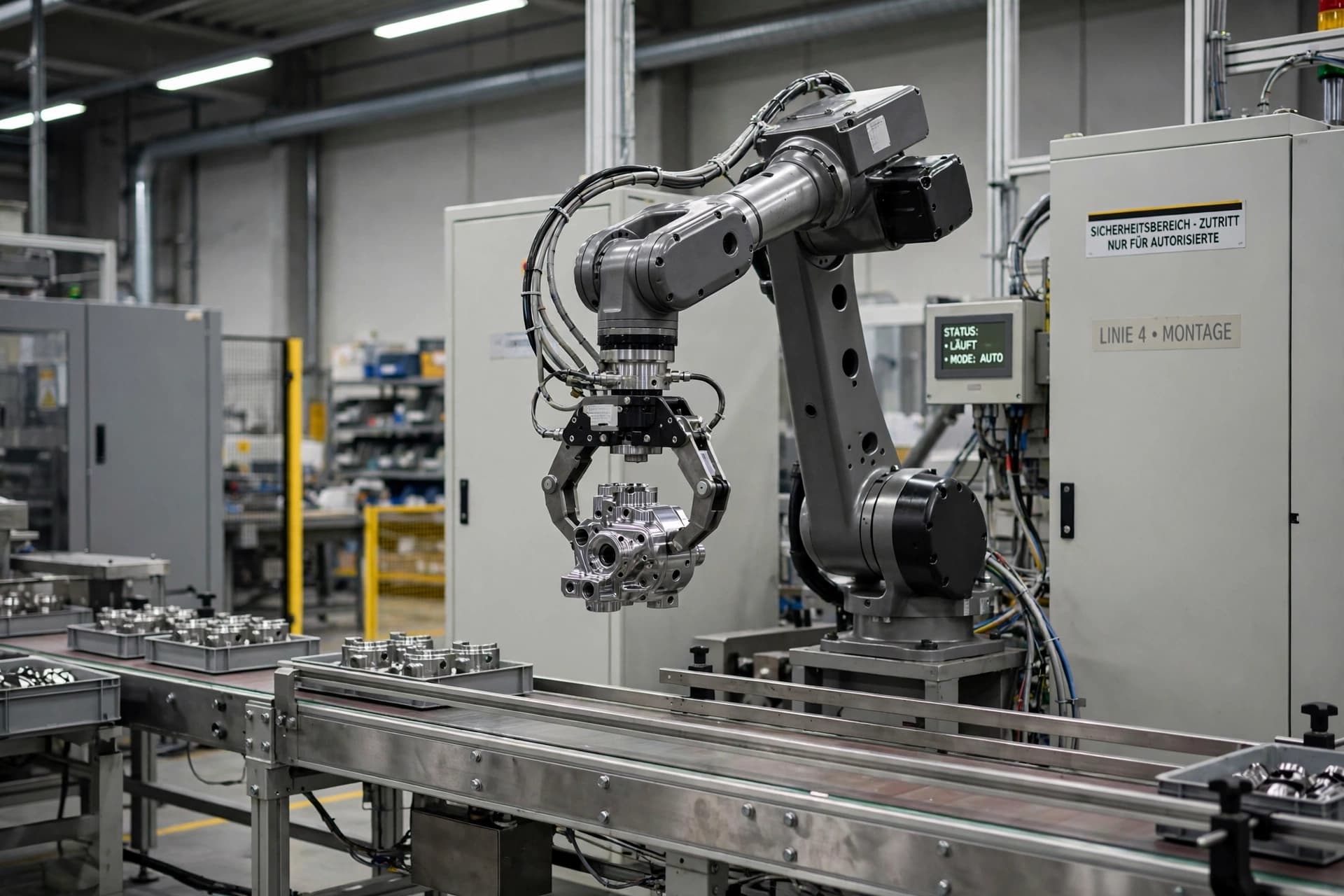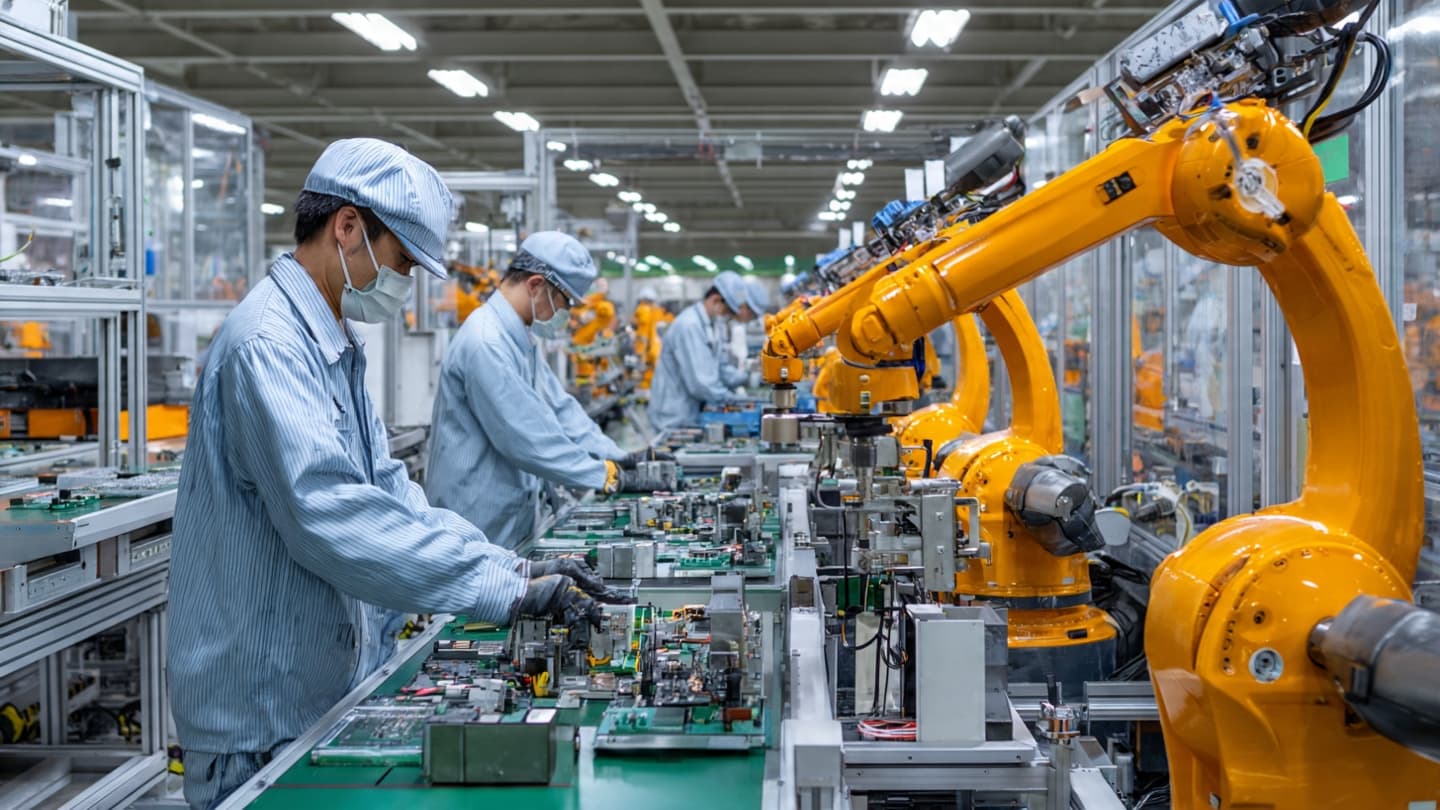
In Japan, the future of work is often visible on a factory floor. Mechanical arms move with quiet precision, machines repeat tasks without fatigue, and workers increasingly supervise systems rather than perform every physical movement themselves.
Japan has long been one of the world's leading countries in industrial robotics. Its manufacturers have developed robots for automobile production, electronics assembly, welding, packaging, inspection, and other repetitive or precision-intensive tasks.
The latest wave of automation is being shaped by demographic change. Japan has one of the world's oldest populations, while many industries face difficulty finding enough workers to maintain production. Robotics offers companies one way to preserve output even when the available workforce becomes smaller.
The challenge extends beyond simply replacing human labor. Modern factories increasingly need machines that can work alongside people, adjust to changing production requirements, and perform tasks that require greater flexibility than traditional industrial robots.
Artificial intelligence is helping push this development forward. Computer vision can allow machines to identify objects and detect defects, while machine-learning systems can improve how robots handle different tasks. The combination of AI and robotics is gradually making automation more adaptable.
Japanese manufacturers are also integrating robots into smaller and more specialized production environments. Automation is no longer limited to enormous automobile factories. Smaller manufacturers can use collaborative robots, automated inspection systems, and digital production tools to improve efficiency.
The economic calculation can be complicated. Robots require significant upfront investment, maintenance, software, and skilled technicians. Companies must determine whether those costs can be justified by higher productivity, fewer errors, reduced labor pressure, or greater consistency.
Yet the demographic reality gives the technology a particular urgency in Japan. Businesses cannot always solve worker shortages simply by hiring more people, especially in rural regions and specialized industrial sectors. Automation can therefore become part of a broader strategy involving training, immigration, workplace redesign, and productivity improvements.
Japan’s experience also offers lessons for other aging economies. As populations become older and labor markets tighten, the question of how humans and machines can share production may become increasingly important elsewhere.
For now, robots continue moving quietly across Japanese factory floors. Their presence is not necessarily a replacement for human work so much as a changing definition of it, with machines handling more repetitive physical tasks while people increasingly focus on supervision, maintenance, design, and decision-making.
AI Image Disclaimer These visuals were created with AI tools to illustrate the broader Japanese robotics industry and are not photographs of specific factories.
Sources International Federation of Robotics Reuters Nikkei Asia The Japan Times Ministry of Economy, Trade and Industry of Japan
Published by Banx Network. This article is part of the Banx decentralized media programme, powered by the BXE token on the XRP Ledger.