The first signs of an export economy are often found far from financial centers. They appear at container terminals, industrial estates and warehouses where goods are prepared for journeys across the sea. In Indonesia, July brought stronger movement through that system, with exports rising 6.05% from a year earlier and the national trade balance returning to surplus.
The latest figure marked an improvement from the previous month, when Indonesia recorded a trade deficit. The reversal highlights how quickly the balance between exports and imports can shift as companies respond to overseas demand, commodity prices and domestic production requirements.
The 6.05% annual increase in exports was stronger than many expectations. The result offered a positive signal for Indonesia’s external sector, particularly because exports remain an important source of foreign exchange and support for the country’s resource and manufacturing industries.
Natural resources continue to occupy an important place in Indonesia’s export economy. Coal, palm oil, minerals and other commodities travel from production areas toward ports before entering international markets. Their prices can change considerably, meaning export revenues do not always move in the same direction as shipment volumes.
Nickel has added a newer dimension to that story. Indonesia has encouraged domestic processing of the mineral, leading to large investments in smelters and related industrial facilities. The strategy has gradually changed some export flows from raw materials toward processed products with greater domestic value added.
Manufacturing is also becoming increasingly relevant. Indonesian factories produce footwear, electronics, textiles, automotive components and other goods for both domestic and international consumers. Export growth in these areas can create wider effects across employment, logistics and supporting industries.
The country's geographic position gives maritime infrastructure an especially important role. Indonesia is made up of thousands of islands, meaning ports and shipping routes form the connective tissue between producers and global customers. Efficiency at those points can influence the cost and competitiveness of Indonesian exports.
Meanwhile, imports remain an essential part of the economic equation. Industrial companies depend on imported machinery, equipment and materials, while consumers purchase a variety of goods from international markets. The trade balance therefore reflects two simultaneous movements: what Indonesia sells abroad and what its economy purchases from the rest of the world.
July’s numbers ultimately provide a snapshot of an economy deeply connected to international commerce. The 6.05% increase in exports has restored the trade balance to surplus, but future results will depend on commodity prices, global demand and domestic investment. For now, Indonesian goods are moving outward with renewed momentum, strengthening one of the country’s most important economic connections with the world.
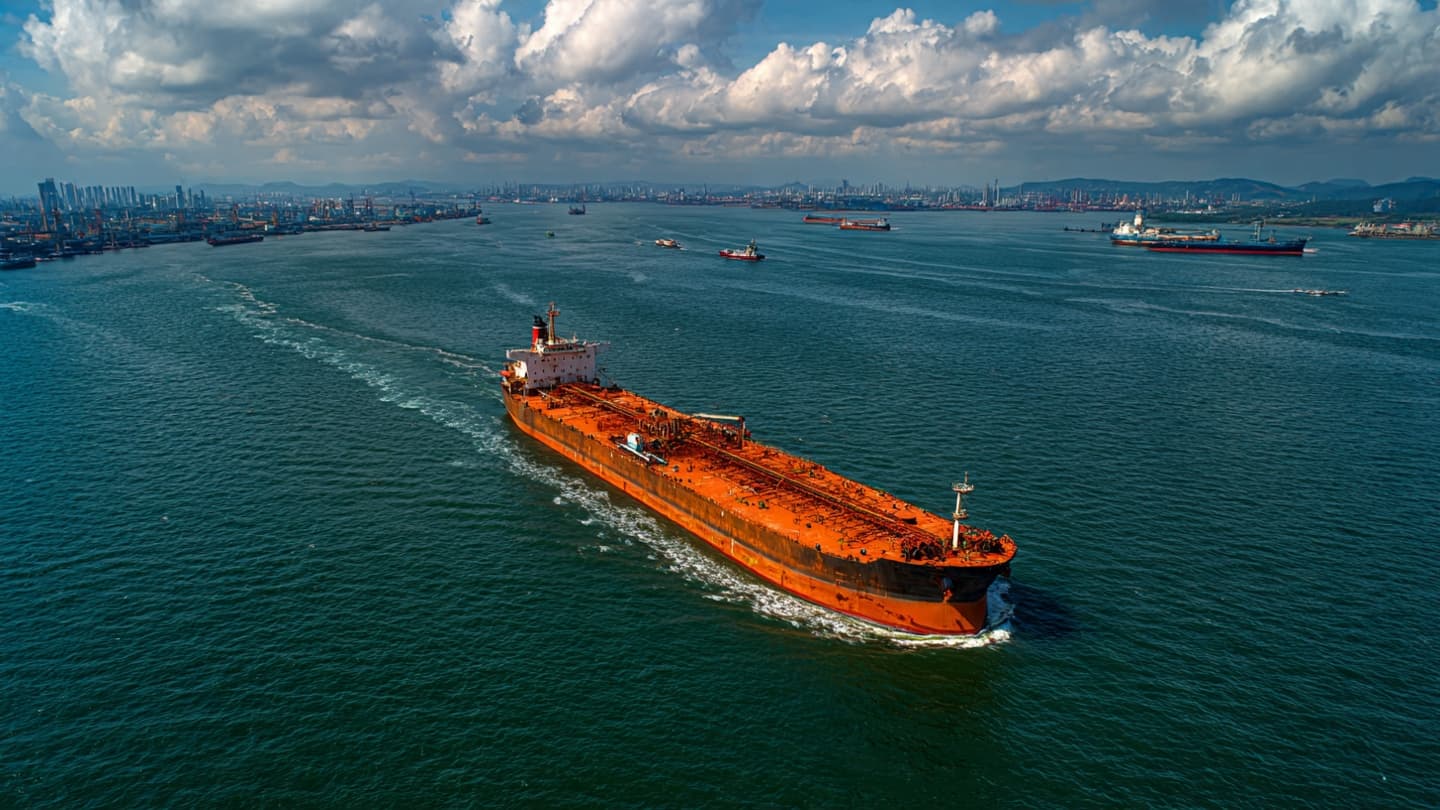
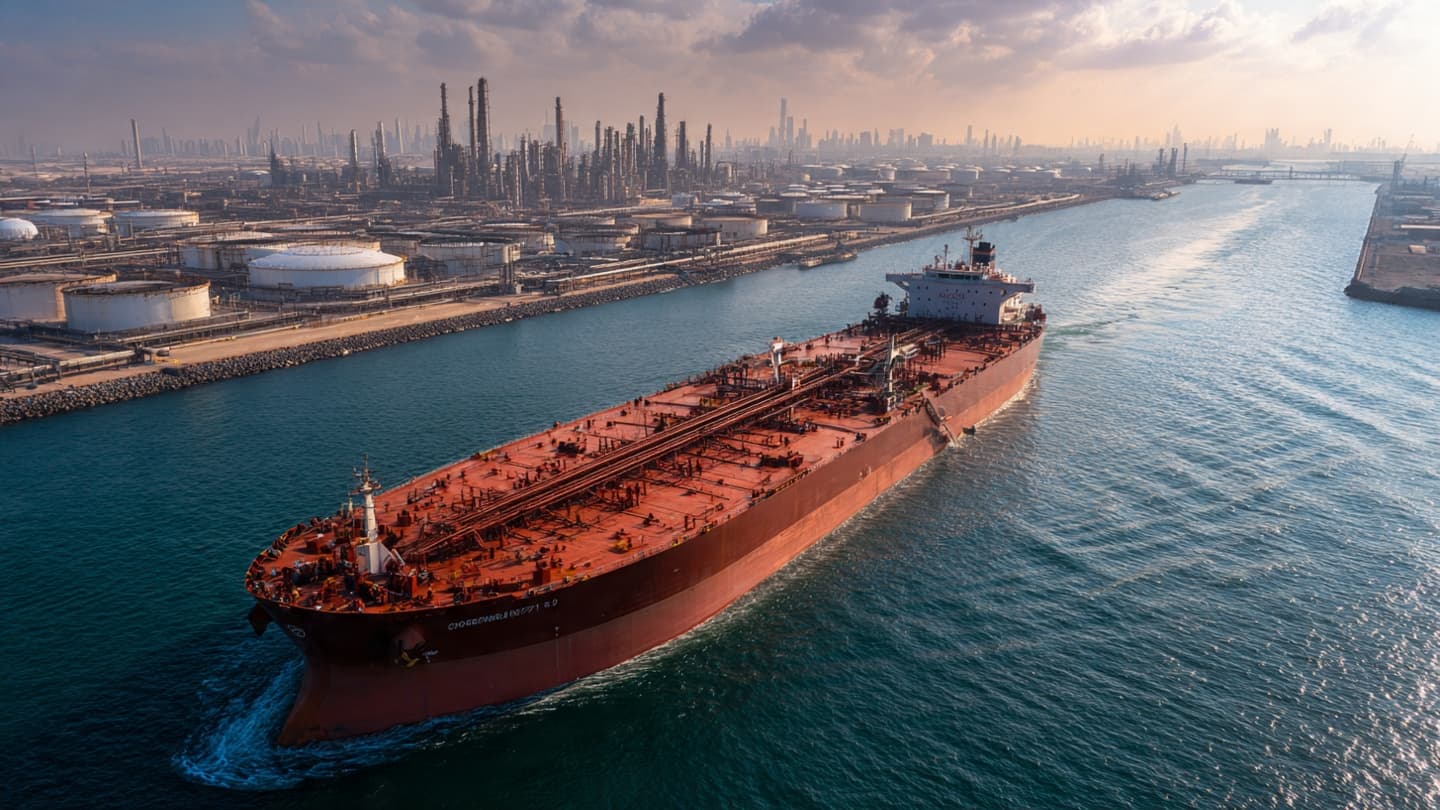
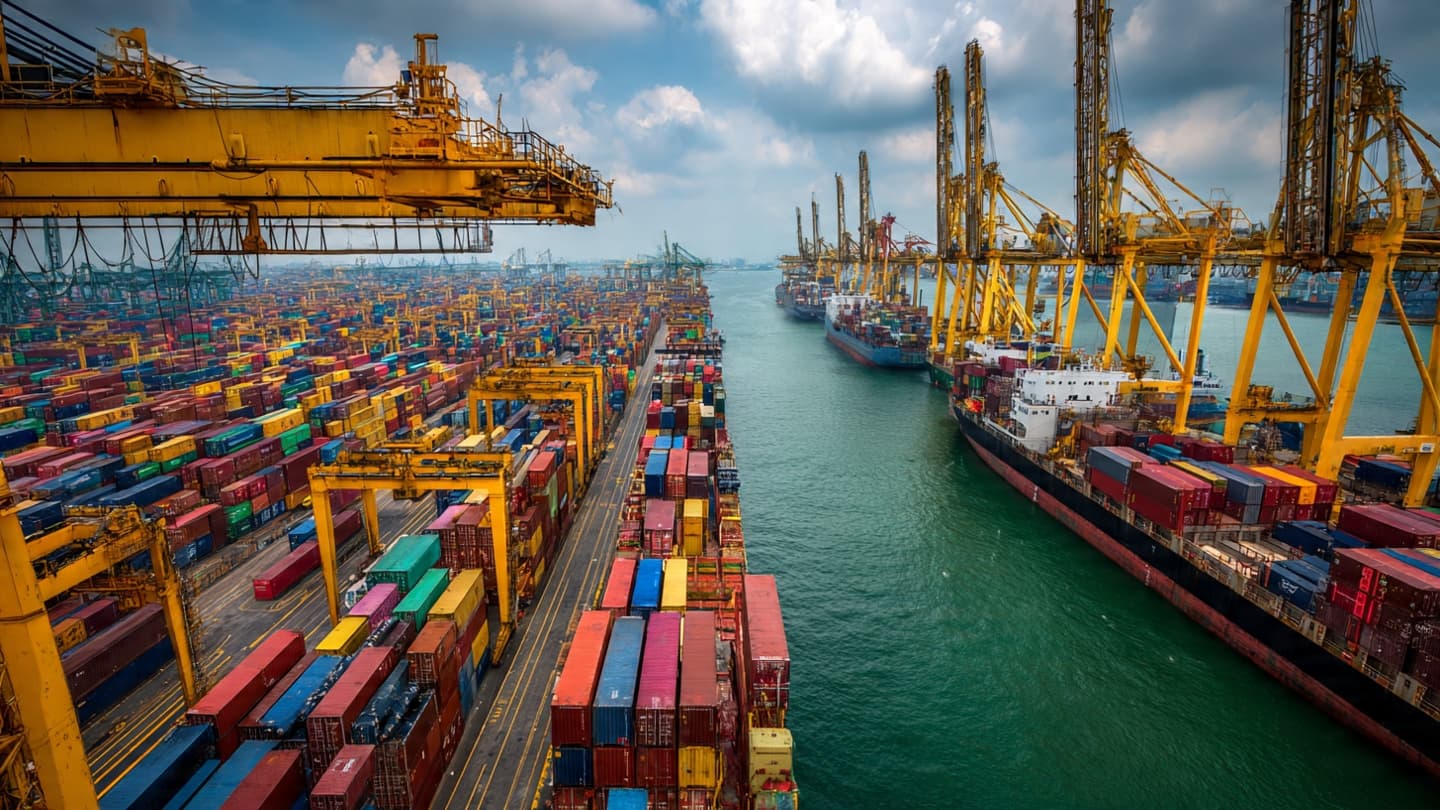
AI Image Disclaimer The visual material in this article was generated with AI for illustrative purposes. It represents general Indonesian export and shipping environments rather than actual July trade events.
Sources Reuters Statistics Indonesia (BPS) Ministry of Trade of Indonesia
Published by Banx Network. This article is part of the Banx decentralized media programme, powered by the BXE token on the XRP Ledger.