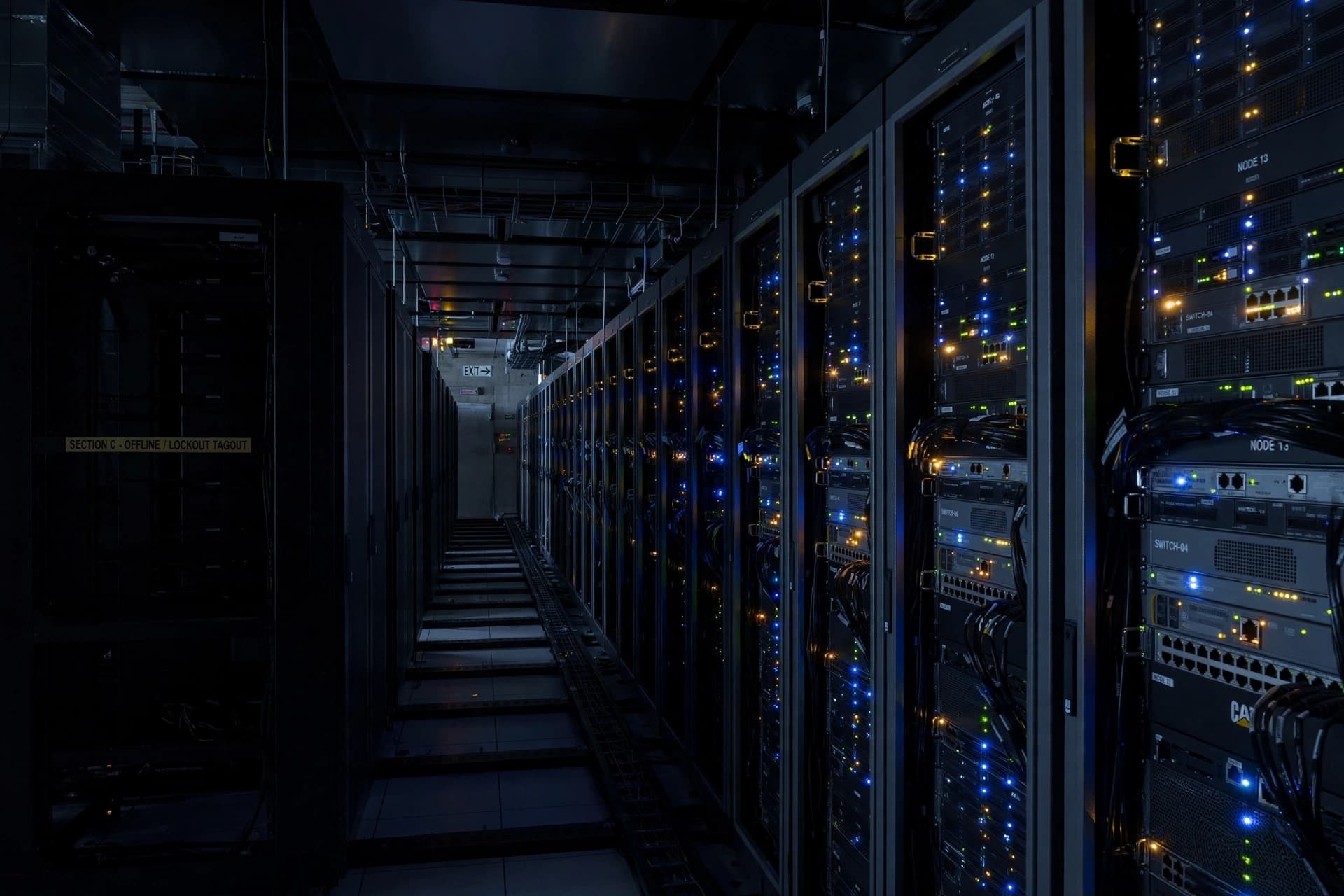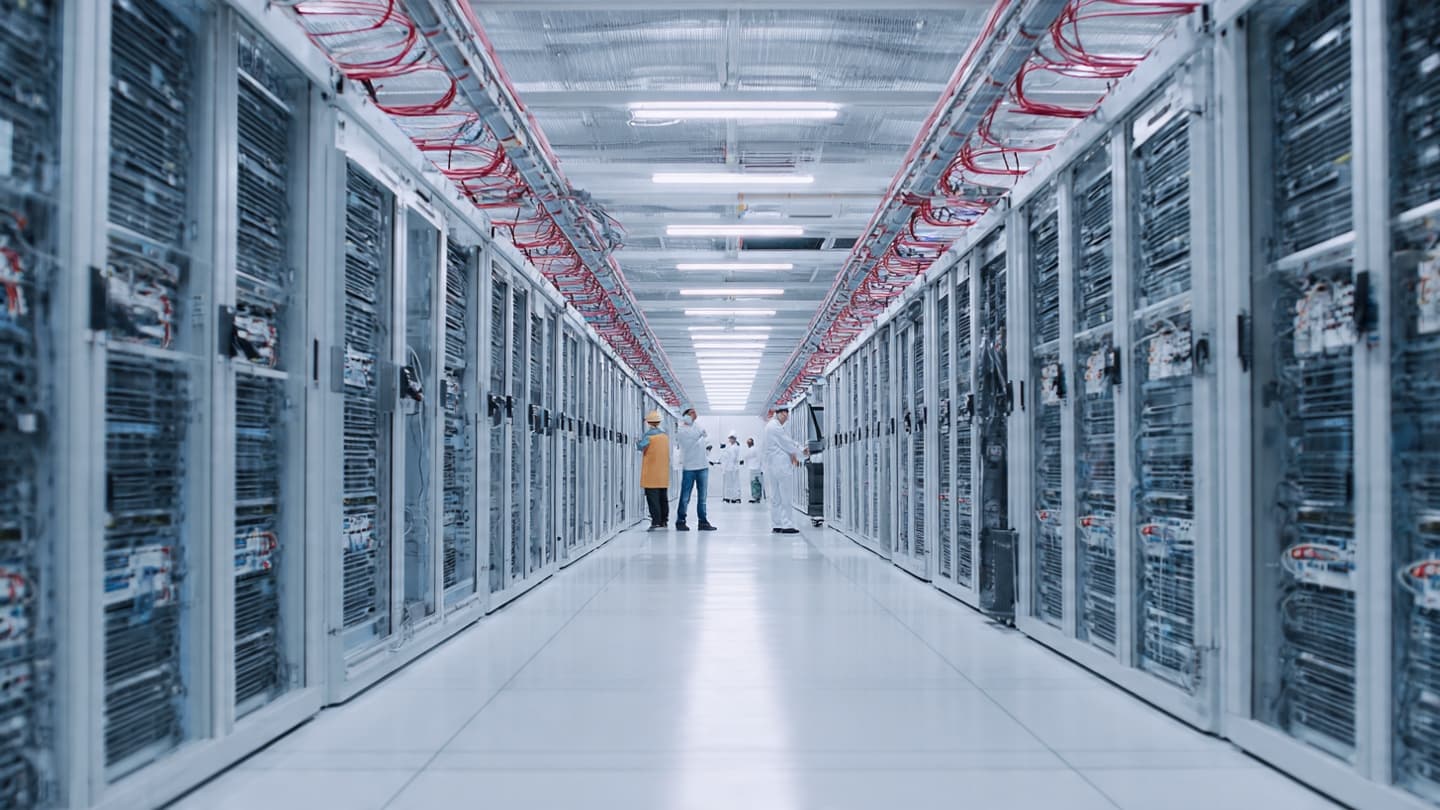
The digital world can feel weightless. A message crosses an ocean in seconds, a photograph appears on a screen, and a complex calculation happens somewhere beyond sight. Yet beneath that apparent lightness are buildings filled with servers, cooling systems, cables, and electricity. Indonesia is becoming an increasingly important place for those physical foundations.
Demand for data-center capacity in Indonesia continues to expand as cloud services, digital commerce, artificial intelligence, and online platforms require more computing infrastructure. Major technology companies and infrastructure providers have announced investments aimed at expanding the country's capacity to process and store data.
Indonesia’s position is partly shaped by its large population and rapidly growing digital economy. Millions of consumers use smartphones for payments, shopping, communication, entertainment, and business services, creating a steady stream of data that needs to be stored and processed.
Artificial intelligence adds another layer. AI applications require substantial computing resources, particularly when companies operate large models or provide services to millions of users. As adoption grows, demand can increase for specialized servers, high-speed networking, and advanced cooling systems.
The geography of Indonesia also gives the data-center industry a particular character. Jakarta and surrounding areas remain the country's primary digital and business hub, while other regions are increasingly being considered for additional infrastructure. Availability of electricity, fiber connections, land, and reliable cooling all influence where facilities can be built.
International technology companies have taken notice. Microsoft has announced major cloud and AI infrastructure investments in Indonesia, while Amazon Web Services has continued expanding its cloud presence. Google has also developed its cloud infrastructure in the country, reflecting the importance of Indonesia's growing digital market.
For local businesses, expanded data-center capacity can reduce dependence on infrastructure located far from Indonesian users. Shorter physical distances can improve latency and help companies design services around local customers, although performance also depends on network architecture and the location of other digital systems.
Energy remains one of the industry's central questions. Data centers operate continuously and can consume substantial amounts of electricity. As capacity expands, operators increasingly face pressure to secure reliable power while improving energy efficiency and considering renewable sources.
The industry also creates demand for construction, engineering, cybersecurity, networking, cooling technology, and specialized technical workers. A data center may appear as a quiet building from the outside, but its surrounding economic ecosystem can be considerably larger.
Indonesia’s data-center expansion therefore represents more than a collection of new buildings. It reflects the physical transformation taking place underneath the country’s rapidly growing digital economy. As cloud computing and AI become more deeply integrated into everyday services, the infrastructure supporting them is becoming increasingly visible on Indonesia’s economic map.
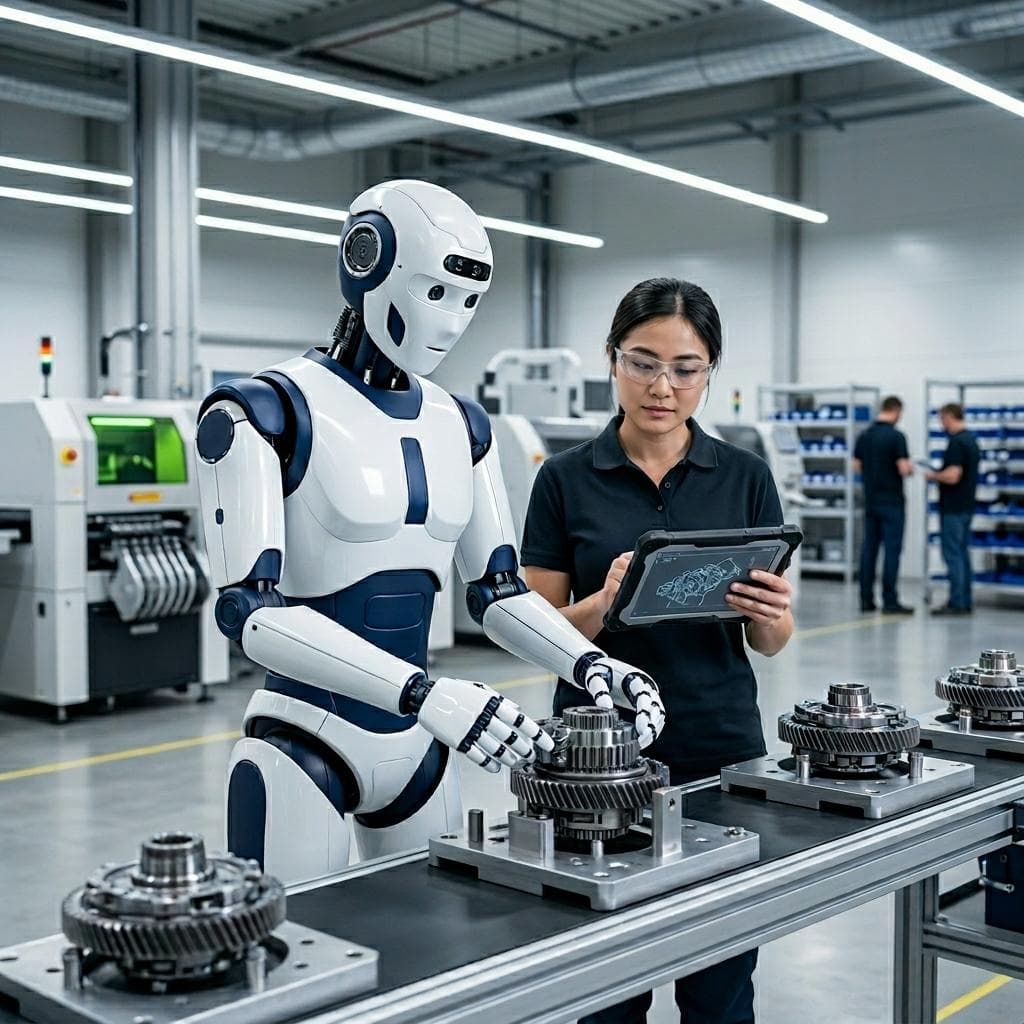
AI Image Disclaimer The visuals are AI-generated conceptual representations of Indonesia’s expanding digital infrastructure and are not photographs of specific data centers.
Sources Reuters Microsoft Google Amazon Web Services The Jakarta Post
Published by Banx Network. This article is part of the Banx decentralized media programme, powered by the BXE token on the XRP Ledger.