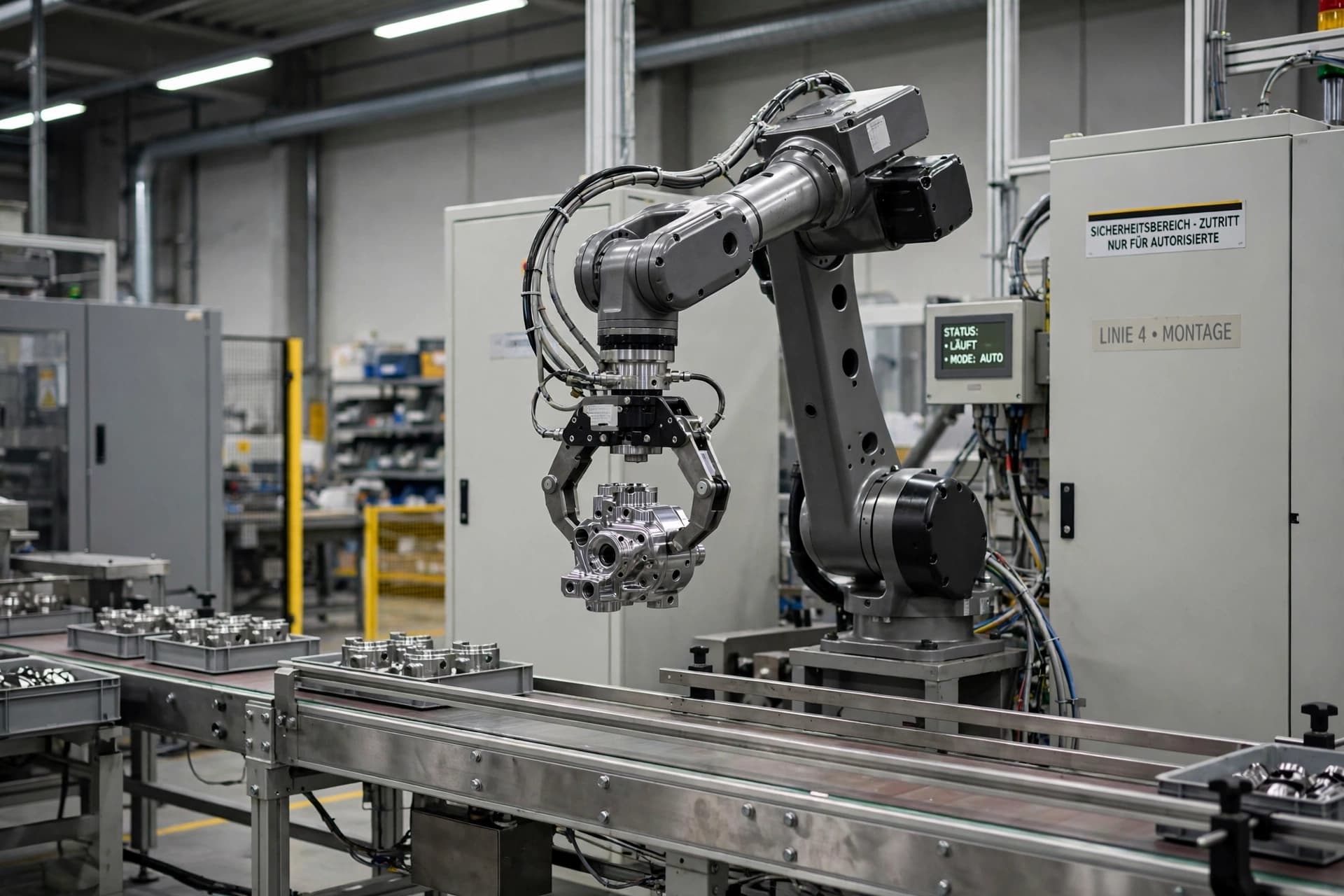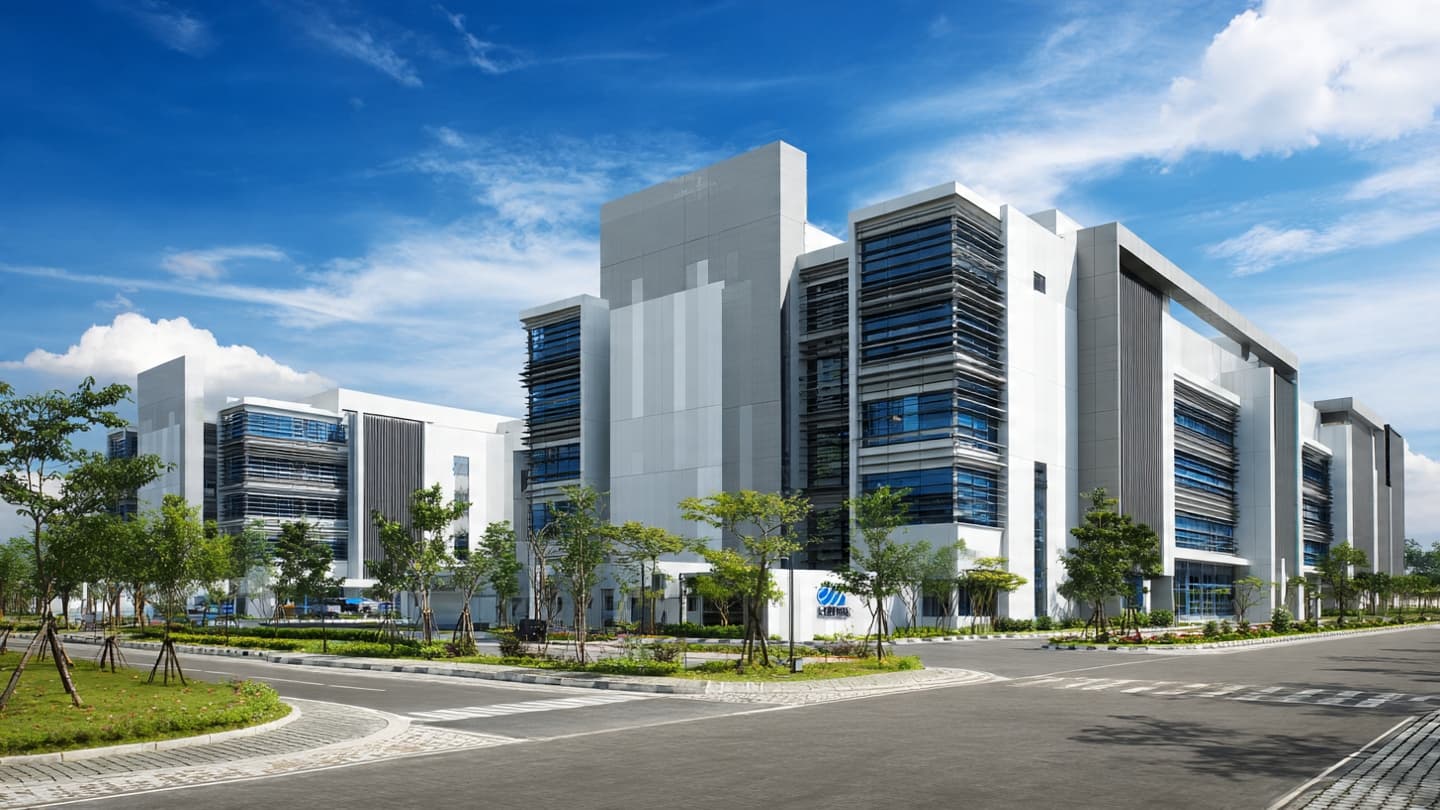
The digital world often appears weightless. Information travels across screens in seconds, artificial intelligence answers questions almost instantly, and cloud services seem to exist somewhere beyond physical geography. Yet behind that apparent weightlessness stands a vast physical infrastructure of servers, electricity, cooling systems, fiber networks and buildings.
Indonesia is now becoming part of that infrastructure story. AI cloud company CoreWeave announced on August 4 that it would expand into Indonesia by establishing three new data centers, marking the company’s first physical data-center presence in the Asia-Pacific region. Reuters reported the move as part of CoreWeave’s broader international expansion.
The three facilities are planned to provide a combined 360 megawatts of contracted IT power and are expected to become operational in 2028. The scale reflects the enormous amount of computing capacity increasingly required to train and operate artificial-intelligence systems, particularly as companies move from experimentation toward large-scale commercial applications.
CoreWeave specializes in cloud computing infrastructure designed for AI workloads. Its business has grown alongside the rapid expansion of generative AI, which has created intense demand for graphics processing units and other specialized computing hardware. The company has been expanding its network beyond the United States, including previous data-center development in Europe.
Indonesia offers a different kind of opportunity. With a large population, a growing digital economy and increasing use of cloud-based services, the country represents a significant market for computing infrastructure. Building facilities closer to customers can help technology companies provide services within regional markets while expanding the physical foundation of digital activity.
The Indonesian announcement also fits into CoreWeave’s larger effort to increase its global computing capacity. Earlier this year, Nvidia invested $2 billion in CoreWeave as the two companies planned to accelerate the development of more than 5 gigawatts of AI computing capacity by 2030. TechCrunch reported that the partnership also involved integrating Nvidia’s technology throughout CoreWeave’s platform.
The growth of AI infrastructure has created a new geography for technology investment. Data centers require land, power, cooling and high-capacity connectivity, meaning that the expansion of artificial intelligence increasingly intersects with the physical infrastructure of cities and countries. The cloud may feel distant to users, but its foundations are firmly rooted in particular places.
For Indonesia, the arrival of a major AI infrastructure provider could also have implications beyond the facilities themselves. Data centers can create demand for power infrastructure, network connections, construction services and other supporting industries. Their development can therefore become part of a broader technology ecosystem rather than remaining isolated buildings filled with servers.
At the same time, large computing facilities bring practical questions about electricity, water, land use and network capacity. These considerations become increasingly relevant as AI workloads grow and companies seek ever-larger amounts of computing power. The expansion therefore represents both a technology investment and an infrastructure project requiring long-term planning.
CoreWeave’s Indonesian expansion ultimately places another marker on the country’s evolving digital map. Three facilities planned for 2028 will not transform the entire regional AI landscape overnight, but they demonstrate how demand for computing is drawing infrastructure closer to emerging markets. Beneath the familiar language of artificial intelligence, a more physical transformation is quietly taking shape across Indonesia.
AI Image Disclaimer: These AI-generated visuals are conceptual illustrations and do not depict actual photographs of the facilities.
Sources: Reuters TechCrunch Barron’s Investor’s Business Daily CoreWeave
Published by Banx Network. This article is part of the Banx decentralized media programme, powered by the BXE token on the XRP Ledger.