The visible side of Indonesia's digital economy is familiar: phones in commuters' hands, online stores operating from homes, digital payments moving between accounts, and businesses communicating through screens. Less visible is the infrastructure beneath all of it, where enormous quantities of information are stored, processed, and transmitted.
That infrastructure is becoming increasingly important as Indonesian companies adopt cloud computing, artificial intelligence, digital payments, and other online services. The growth of these technologies is encouraging investment in data centers and computing capacity across the country.
Cloud computing allows companies to use processing power and storage without necessarily owning all of the physical infrastructure themselves. For businesses, this can provide greater flexibility as digital operations expand and demand changes.
Artificial intelligence is adding another layer of pressure. AI applications require significant computing resources, particularly when companies begin training or operating sophisticated models. As adoption expands, demand for high-performance computing and data-storage infrastructure is expected to increase.
Indonesia's large population and rapidly expanding internet economy make it an important market for global technology companies. International cloud providers and local infrastructure companies have been increasing their presence as businesses seek reliable digital systems closer to their customers.
The geographic scale of Indonesia creates a particular infrastructure challenge. Connecting thousands of islands requires telecommunications networks, submarine cables, data centers, reliable electricity, and increasingly sophisticated digital infrastructure.
Energy is therefore closely connected to the expansion of data centers. These facilities operate continuously and require substantial electricity as well as cooling systems. Their growth creates opportunities for infrastructure investment while also raising questions about efficiency and the sources of electricity used.
Local data requirements are another consideration. Indonesian companies operating in sectors such as finance, healthcare, telecommunications, and government services handle information that may require careful management and protection.
For technology businesses, the development of domestic computing infrastructure can reduce dependence on distant facilities and improve the speed at which digital services respond to Indonesian users. It can also support the development of locally relevant AI systems and digital applications.
Indonesia's digital transformation is consequently moving into a more physical phase. Behind the apps and services used every day, data centers, networks, energy systems, and computing clusters are becoming essential parts of the country's economic infrastructure. Their expansion will help determine how quickly Indonesia can move into the next stage of its digital economy.
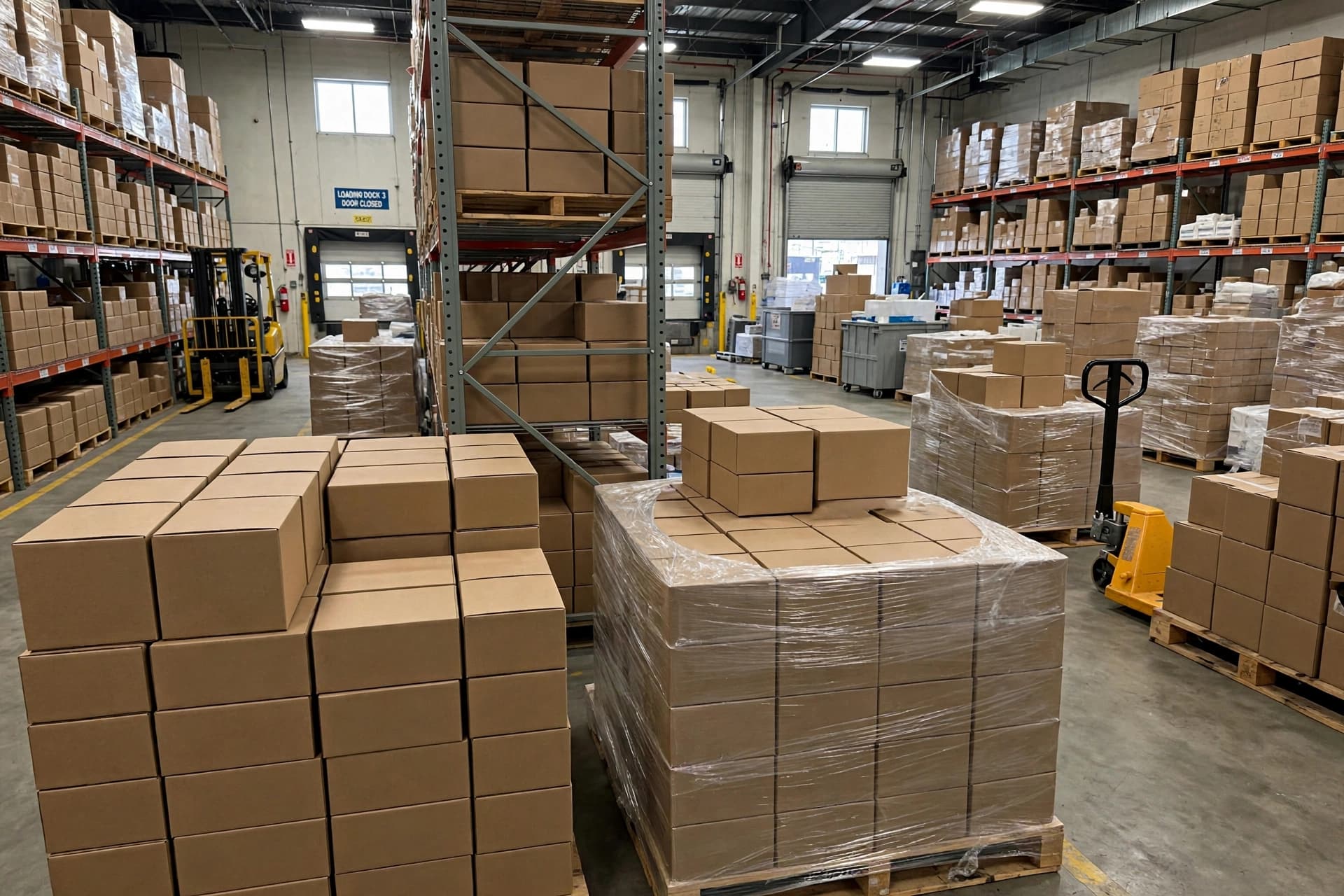
AI Image Disclaimer The visuals were generated with AI tools as conceptual representations of Indonesia's digital infrastructure and are not actual photographs of data centers or technology projects.
Sources Reuters ANTARA News Ministry of Communication and Digital Affairs of Indonesia International Data Corporation Google Cloud
Published by Banx Network. This article is part of the Banx decentralized media programme, powered by the BXE token on the XRP Ledger.