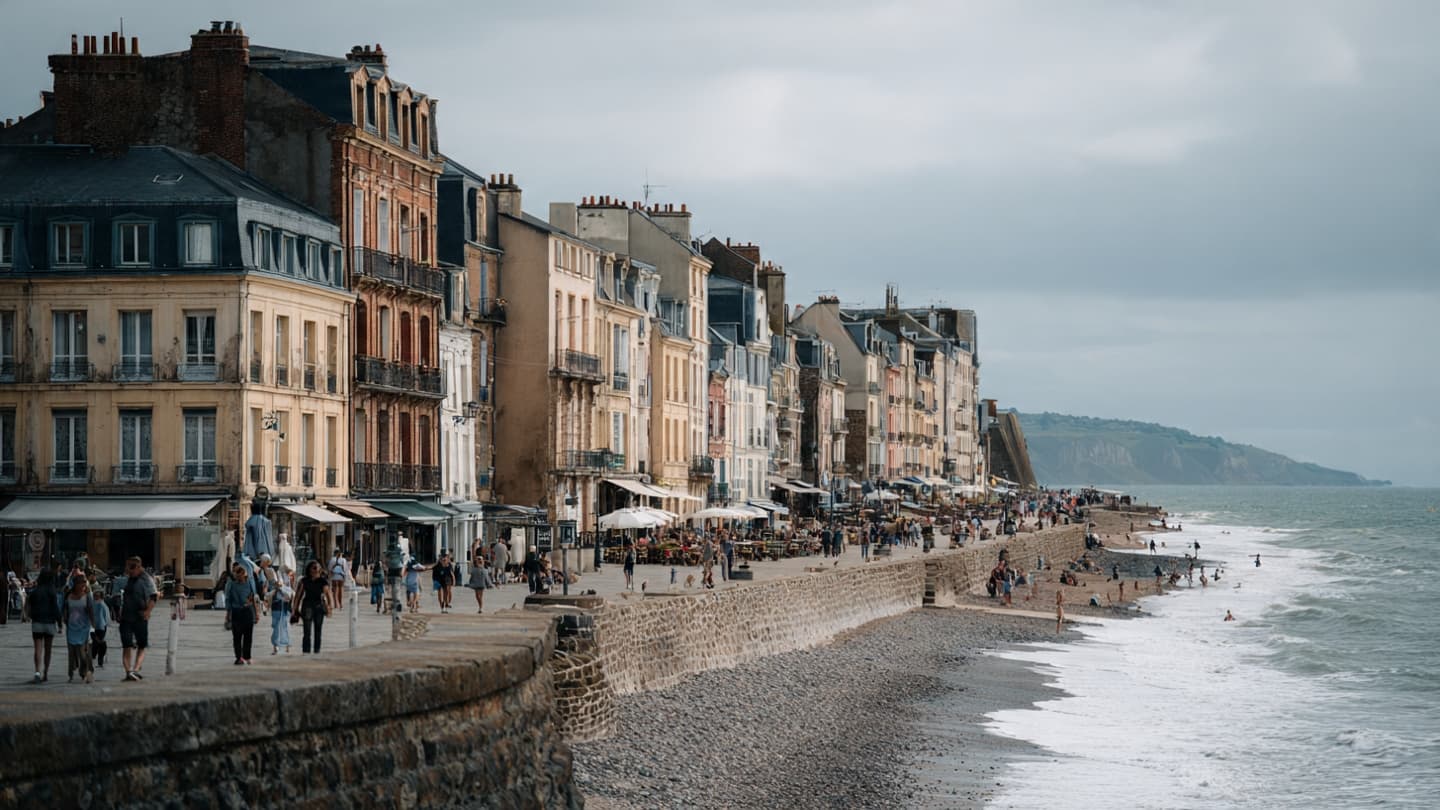
Summer travel in France usually carries a familiar rhythm. Roads fill gradually, coastal towns welcome visitors, and southern destinations become part of the seasonal imagination. But this year, the movement has taken a slightly different shape, as repeated heatwaves and wildfires have encouraged some travelers to look northward or higher into the mountains.
The change has been particularly visible in destinations offering cooler temperatures. Northern coastal areas have attracted visitors who want the atmosphere of a summer holiday without the intensity of extreme heat experienced elsewhere in the country. For some families, the weather has become an important part of choosing where to spend their time.
Mountain tourism has also benefited from this shift. Higher elevations generally provide cooler conditions, especially during the evening, creating an alternative for travelers seeking relief from unusually warm temperatures across lower-lying areas. French mountain destinations have therefore found themselves carrying a somewhat different role during the summer season.
The movement is not solely about temperature. Household budgets have also influenced decisions, with travelers increasingly considering destinations that can combine reasonable costs with comfortable conditions. The result is a more flexible approach to summer holidays, where geography, weather forecasts, and spending plans can all influence the final destination.
Extreme weather has added another layer to those decisions. Heatwaves, drought, and wildfires affected parts of France during the summer, creating conditions that made some traditional holiday areas less attractive at particular moments. Travel plans could consequently change according to regional weather rather than following the usual pattern of heading south.
The French tourism industry has responded to these changing preferences in different ways. Mountain destinations have promoted hiking, outdoor recreation, and other summer activities, while northern coastal communities have benefited from visitors searching for milder conditions.
The shift does not mean that southern France has disappeared from the summer map. Popular Mediterranean and southwestern destinations continue to attract large numbers of visitors. Instead, the emerging pattern suggests that travelers are becoming more willing to diversify their choices when temperatures or local conditions become uncomfortable.
For tourism businesses, this flexibility can create both opportunities and challenges. A destination that was once considered primarily a winter location can gain new summer visitors, while places more accustomed to intense seasonal demand may need to adapt to changing weather expectations.
As summer gives way to autumn, the complete tourism figures will offer a clearer picture of how significant these changes have been. For now, France's 2026 travel season shows a subtle movement across the map, with cooler air, higher ground, and changing weather becoming increasingly important parts of the holiday decision.
AI IMAGE DISCLAIMER
These visuals were generated with AI and are intended only as conceptual representations of French tourism and summer weather conditions.
SOURCES
Le Monde
Published by Banx Network. This article is part of the Banx decentralized media programme, powered by the BXE token on the XRP Ledger.