In South Sudan, the landscape often speaks in contrasts—vast floodplains that shimmer during the rainy season, followed by long dry stretches where the earth seems to pull inward, holding its breath. Villages sit along riverbanks that both sustain and isolate, and movement across the terrain is shaped as much by water and season as by roads or maps. In such a setting, survival is often a negotiation with time itself.
Within this fragile geography, humanitarian organizations are warning of an escalating food security crisis affecting nearly eight million people across the country, a figure that represents a significant portion of the population. The alert, issued by multiple non-governmental organizations working in the region, describes a situation in which acute hunger is expanding due to a combination of climate pressures, displacement, economic strain, and ongoing insecurity.
South Sudan, the world’s youngest nation, continues to face overlapping challenges that shape daily life in ways both immediate and structural. Periodic flooding along the Nile and its tributaries has in recent years destroyed crops and disrupted agricultural cycles, while alternating dry spells have reduced yields in other regions. These climate fluctuations intersect with limited infrastructure, making food distribution across remote areas difficult even in stable conditions.
Humanitarian agencies report that conflict and localized insecurity in certain regions have further constrained access to farmland and markets. Displacement remains a persistent factor, with families often moving multiple times in search of safety and basic resources. Each movement reshapes community structures, altering not only where people live, but how they access food, water, and support networks.
Economic pressures also contribute to the crisis. Rising food prices in local markets, combined with limited income opportunities, have reduced purchasing power for many households. In rural areas, subsistence farming remains central, but its vulnerability to environmental shocks leaves many communities exposed when harvests fail or are delayed.
The estimate that nearly eight million people may face acute hunger underscores the scale of vulnerability identified by aid groups. In humanitarian reporting, “acute hunger” typically refers to conditions where households are unable to meet minimum food needs without external assistance, and where survival strategies may become increasingly precarious.
Aid organizations working in South Sudan continue to coordinate food assistance, nutrition programs, and emergency response efforts, often operating in challenging logistical conditions. River transport, air drops, and limited road networks form part of the delivery systems used to reach affected areas, particularly during seasons when terrain becomes impassable.
At the same time, long-term responses remain closely tied to broader questions of stability, climate resilience, and infrastructure development. Efforts to strengthen agricultural systems, improve flood management, and expand local markets are frequently discussed alongside immediate relief operations, reflecting the dual nature of crisis response in the region.
As warnings from NGOs circulate, the situation is framed not as a sudden rupture but as a deepening condition—one that evolves gradually across seasons and years. The numbers convey scale, but on the ground, the experience is often measured in smaller units: a reduced meal, a delayed harvest, a longer journey to find food.
In this evolving landscape, humanitarian concern becomes both an immediate response and a sustained presence. And beneath the figures and forecasts lies a continuing question of how communities adapt, endure, and rebuild within a cycle shaped by both environmental unpredictability and structural fragility.
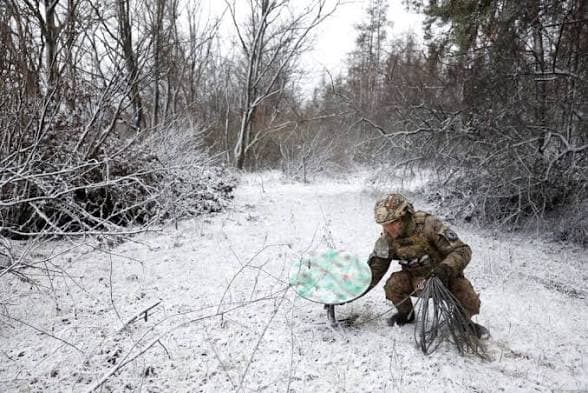
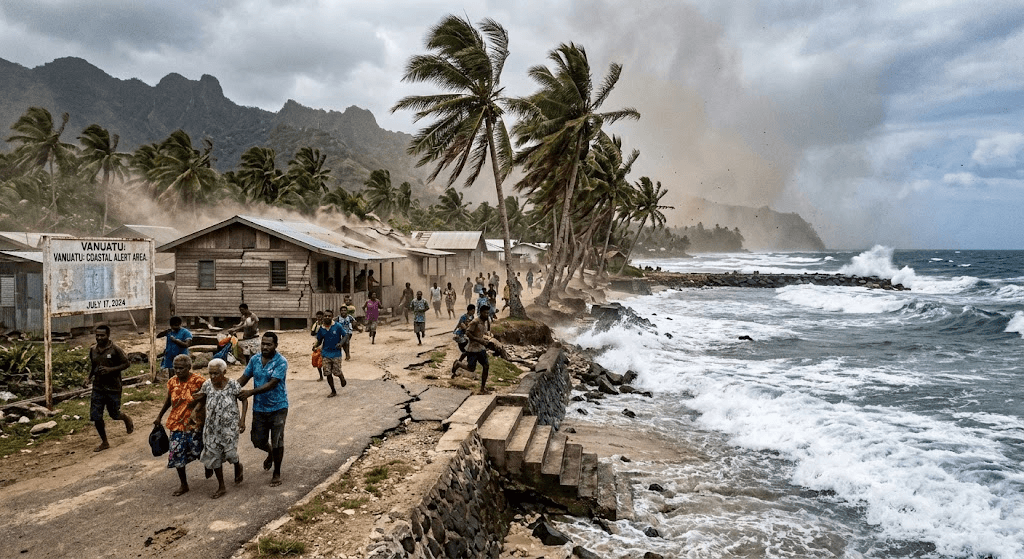
AI Image Disclaimer Visuals are AI-generated and serve as conceptual representations of humanitarian and environmental conditions described.
Sources UNICEF, World Food Programme, Reuters, OCHA (UN Office for the Coordination of Humanitarian Affairs), Save the Children
Published by Banx Network. This article is part of the Banx decentralized media programme, powered by the BXE token on the XRP Ledger.