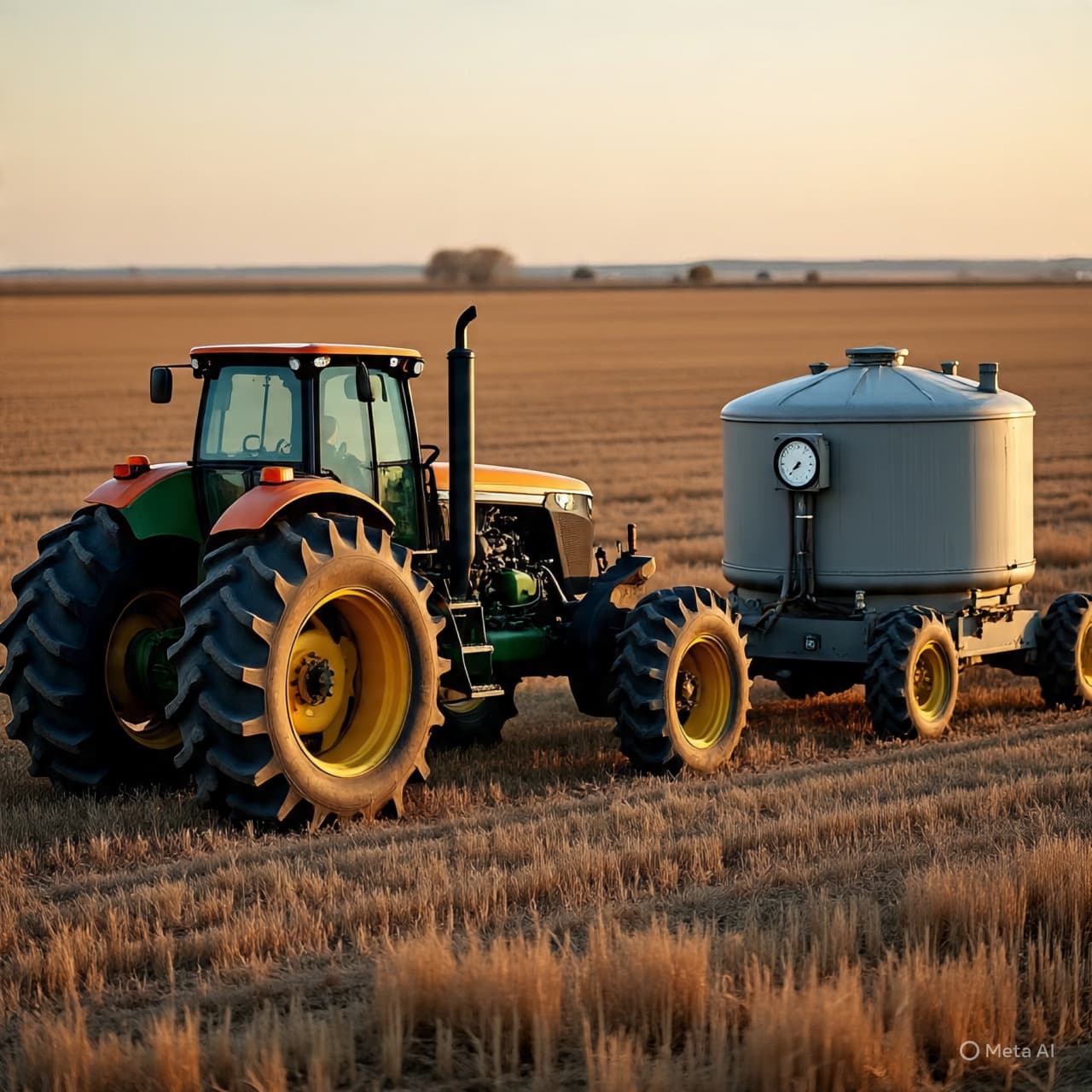
There is a rhythm to rural life that follows the land—measured in seasons, in weather, in the steady movement of machinery across open ground. Much of this motion depends on something less visible, yet just as essential: the quiet, reliable flow of fuel.
When that flow begins to falter, the change is felt not in a single moment, but across the span of a working day.
In parts of rural New Zealand, farms are beginning to run low on fuel as distributors struggle with allocation. The issue has not arrived as an abrupt absence, but as a gradual tightening—deliveries delayed, quantities reduced, expectations adjusted. What was once assumed to be readily available now requires planning, coordination, and, in some cases, compromise.
For those working the land, fuel is not an abstract resource. It powers tractors, irrigation systems, transport vehicles—each element forming part of a chain that supports productivity. When supply becomes uncertain, that chain begins to strain, its links tested by the need to prioritize and adapt.
Distributors, positioned between supply and demand, are navigating pressures of their own. Allocation systems, often designed to manage limited resources, determine how much fuel reaches each customer. In times of constraint, these systems can leave rural users with less than required, even as demand remains unchanged.
The causes behind such shortages can be varied, shaped by global supply conditions, logistical challenges, and fluctuations in demand. Rural areas, by their nature, can feel these effects more acutely. Distance from major supply hubs, combined with reliance on timely delivery, creates a sensitivity to disruption that is less pronounced in urban settings.
Across farms, the response has been measured but immediate. Work is reorganized, usage reduced where possible, and contingencies considered. The adjustments are practical, grounded in necessity rather than preference. Each decision reflects an effort to maintain continuity within a context that has become less certain.
There is also a broader awareness that such challenges rarely exist in isolation. Fuel supply connects to wider systems—transport networks, international markets, and infrastructure that extends beyond any single region. When one part shifts, the effects travel, reaching places where the impact becomes tangible in everyday work.
And yet, as with many disruptions, the expectation remains that balance will return. Supply chains adjust, pressures ease, and the flow resumes. Until then, the landscape carries on under a different rhythm, one shaped not only by the land itself, but by the availability of what sustains its movement.
Farms in rural New Zealand are facing fuel shortages as distributors struggle with allocation, with limited supplies affecting agricultural operations and prompting adjustments across the sector.
AI Image Disclaimer
These visuals are AI-generated and intended as conceptual representations only.
Sources
RNZ New Zealand Herald Stuff Farmers Weekly BusinessDesk
Published by Banx Network. This article is part of the Banx decentralized media programme, powered by the BXE token on the XRP Ledger.