From high above the planet, the surface of Earth appears calm and enduring. Forests stretch across continents, grasslands follow the rhythms of rain and sun, and farmland marks the patient work of generations. The colors of the landscape seem almost permanent — deep greens, dusty browns, the pale gold of harvest.
Yet when the view stretches across decades rather than seasons, the planet begins to reveal a quieter motion.
Scientists studying satellite observations have found evidence that Earth’s vegetation is slowly drifting. Not in a sudden surge or a dramatic migration, but in a gradual shift — a subtle rearrangement of where plants grow best as the climate itself changes.
These movements are small when measured year by year. But across continents and decades, they begin to trace a pattern that could reshape ecosystems and agriculture in the years ahead.
The research relies on long-term satellite data that tracks vegetation cover across the globe. By comparing these records over time, scientists can observe how plant communities respond to changes in temperature, rainfall, and atmospheric carbon dioxide.
What emerges from the data is a landscape in motion.
In some regions, vegetation zones appear to be expanding toward higher latitudes or elevations as warming temperatures create conditions suitable for plant growth farther from the equator or higher up mountain slopes. In other places, drought and heat stress are pushing vegetation boundaries in the opposite direction.
These shifts form what researchers describe as “drifting vegetation” — a gradual relocation of plant ecosystems driven by environmental change.
For agriculture, the implications may be significant.
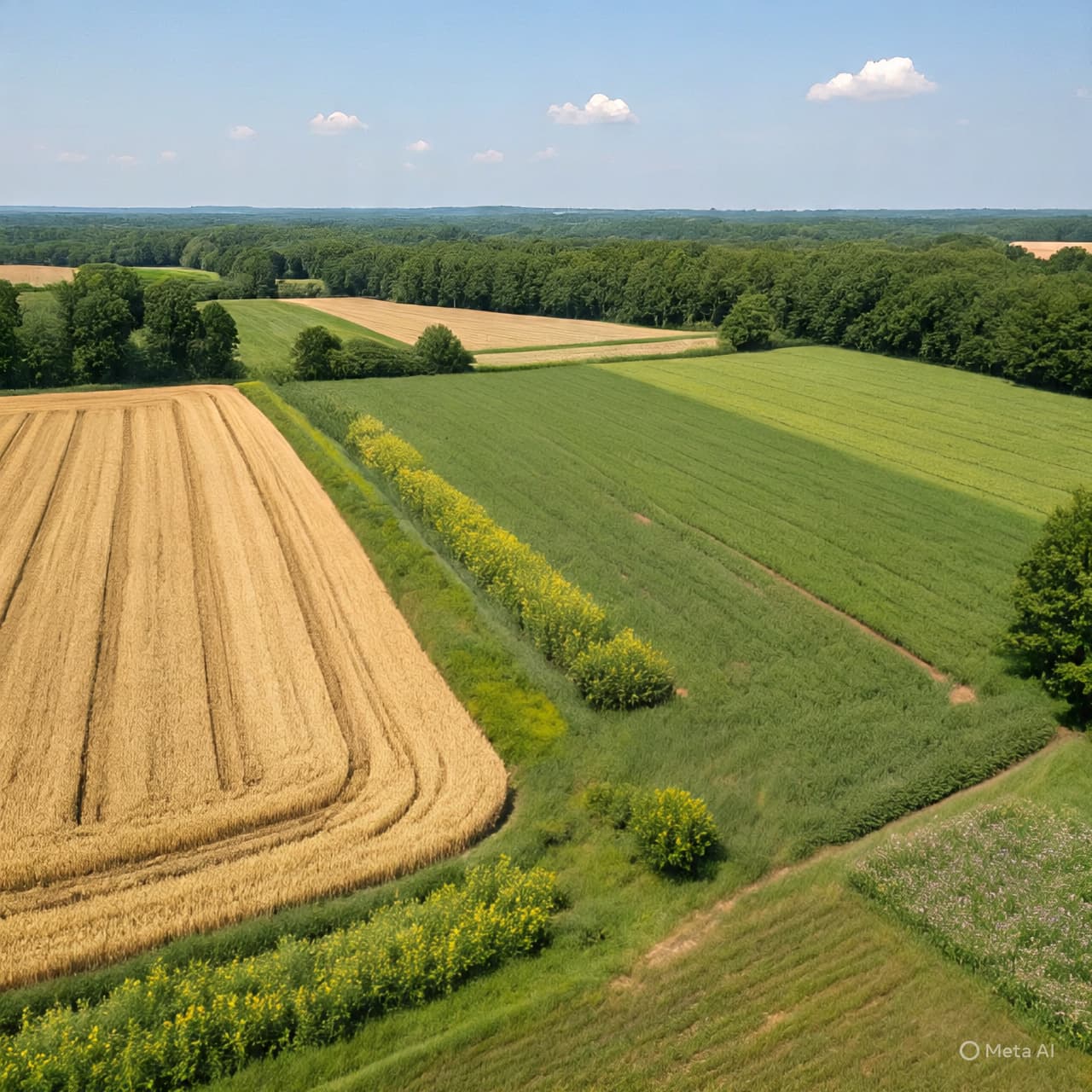
Crop species are closely tied to specific climate conditions. Temperature ranges, rainfall patterns, and soil moisture all determine where crops can thrive. If natural vegetation zones are moving, the regions most suitable for certain crops may move with them.
Some areas may find new opportunities for cultivation as conditions become more favorable. Other regions may face growing challenges as warming temperatures, drought, or soil stress make traditional crops harder to sustain.
Satellite observations provide one of the clearest ways to see these changes unfolding. Orbiting instruments continuously monitor plant growth through measurements such as vegetation indices, which reflect how actively plants are photosynthesizing and how dense plant cover appears across landscapes.
Over time, these measurements create a global map of plant productivity — a living record of how Earth’s green systems respond to environmental shifts.
The study suggests that understanding these movements will be increasingly important for planning the future of agriculture. Farmers, policymakers, and scientists may need to anticipate not only seasonal weather but also longer-term ecological trends that gradually reshape the agricultural map.
For now, the drifting remains slow — almost imperceptible within a single growing season. Fields still ripen, forests still stand, and landscapes still look much as they did before.
But the satellite record reveals a longer story unfolding beneath that familiar surface.
Researchers report that satellite data show global vegetation patterns slowly shifting over time, a process that could influence where crops grow best and how agriculture adapts to a changing climate.
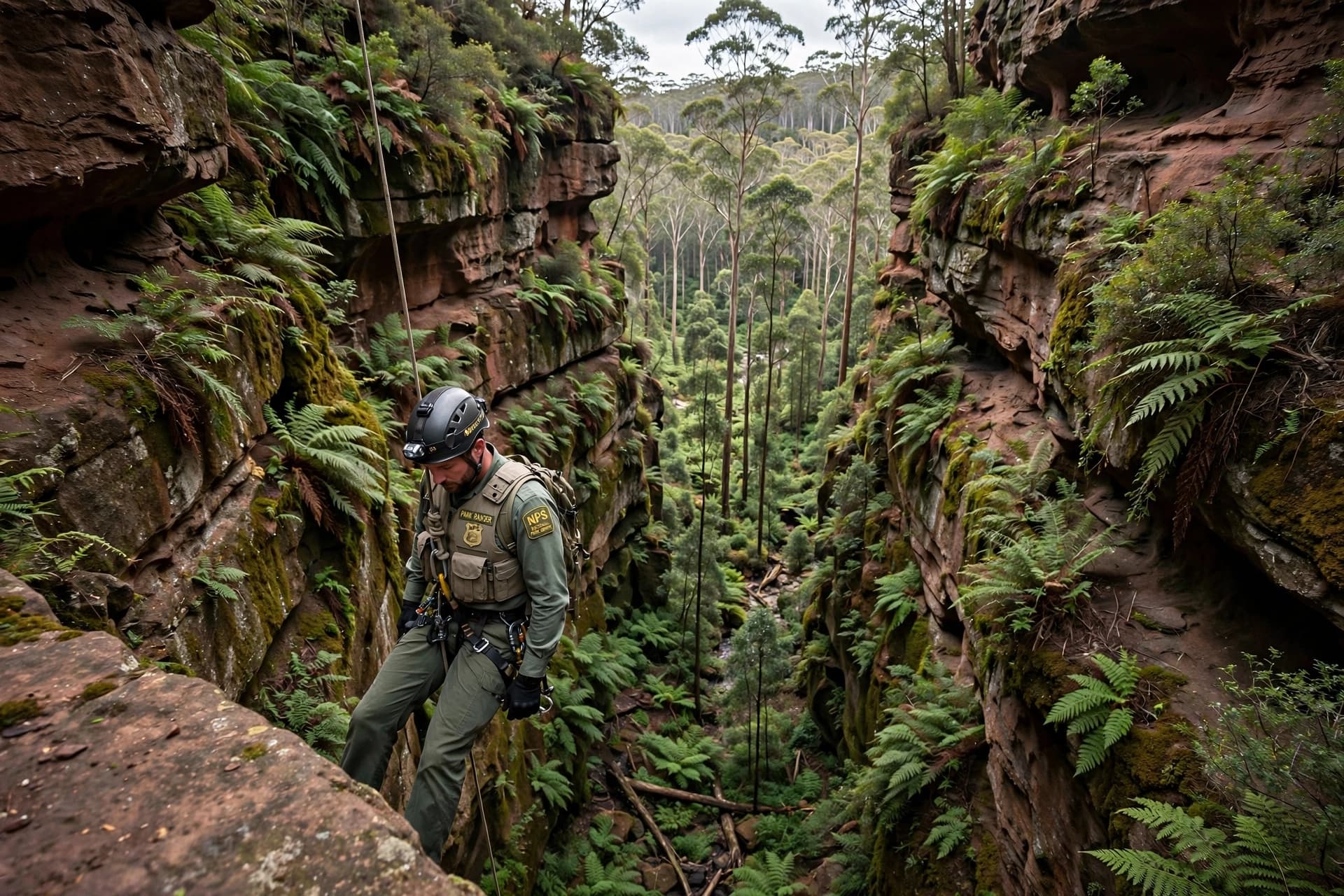
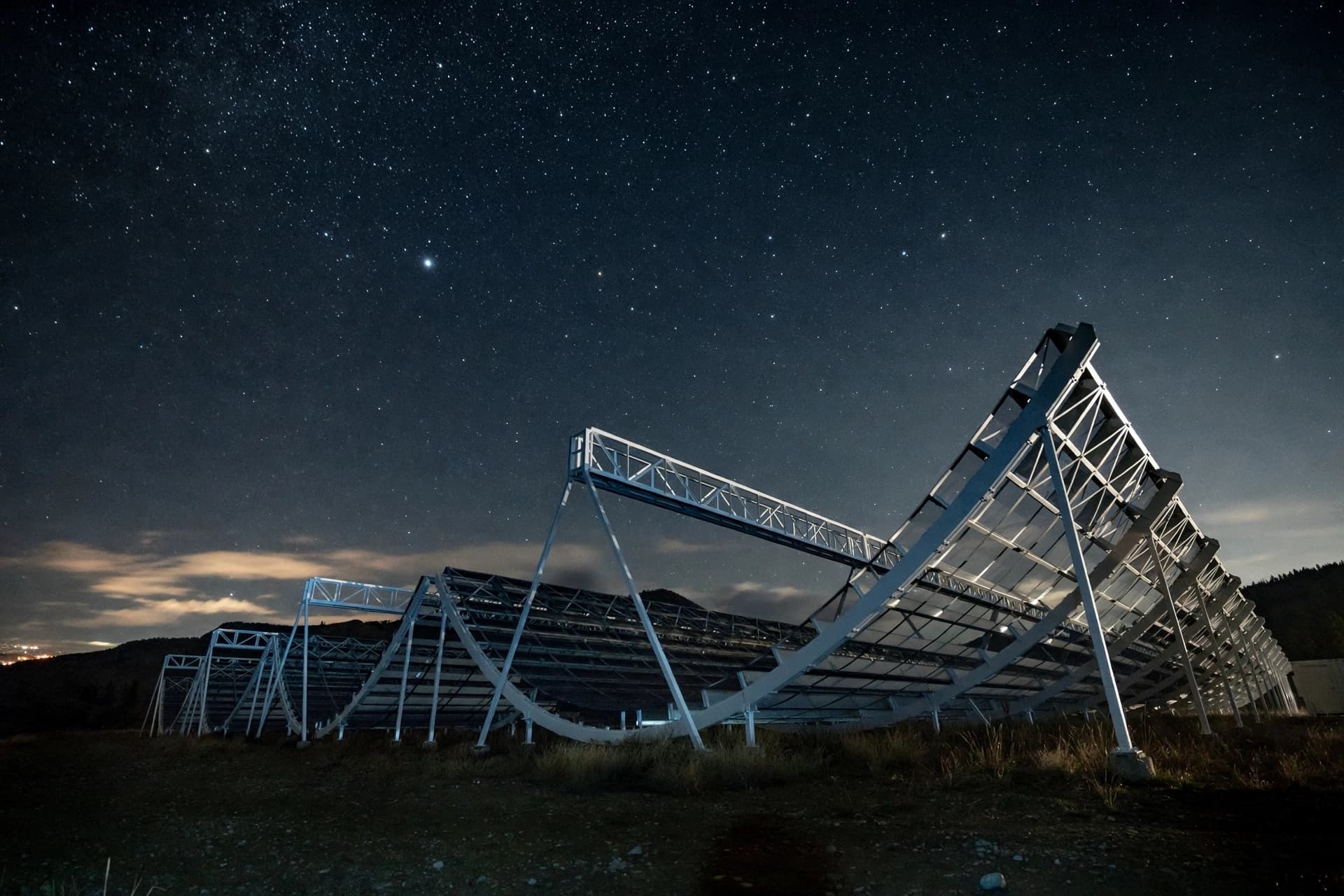
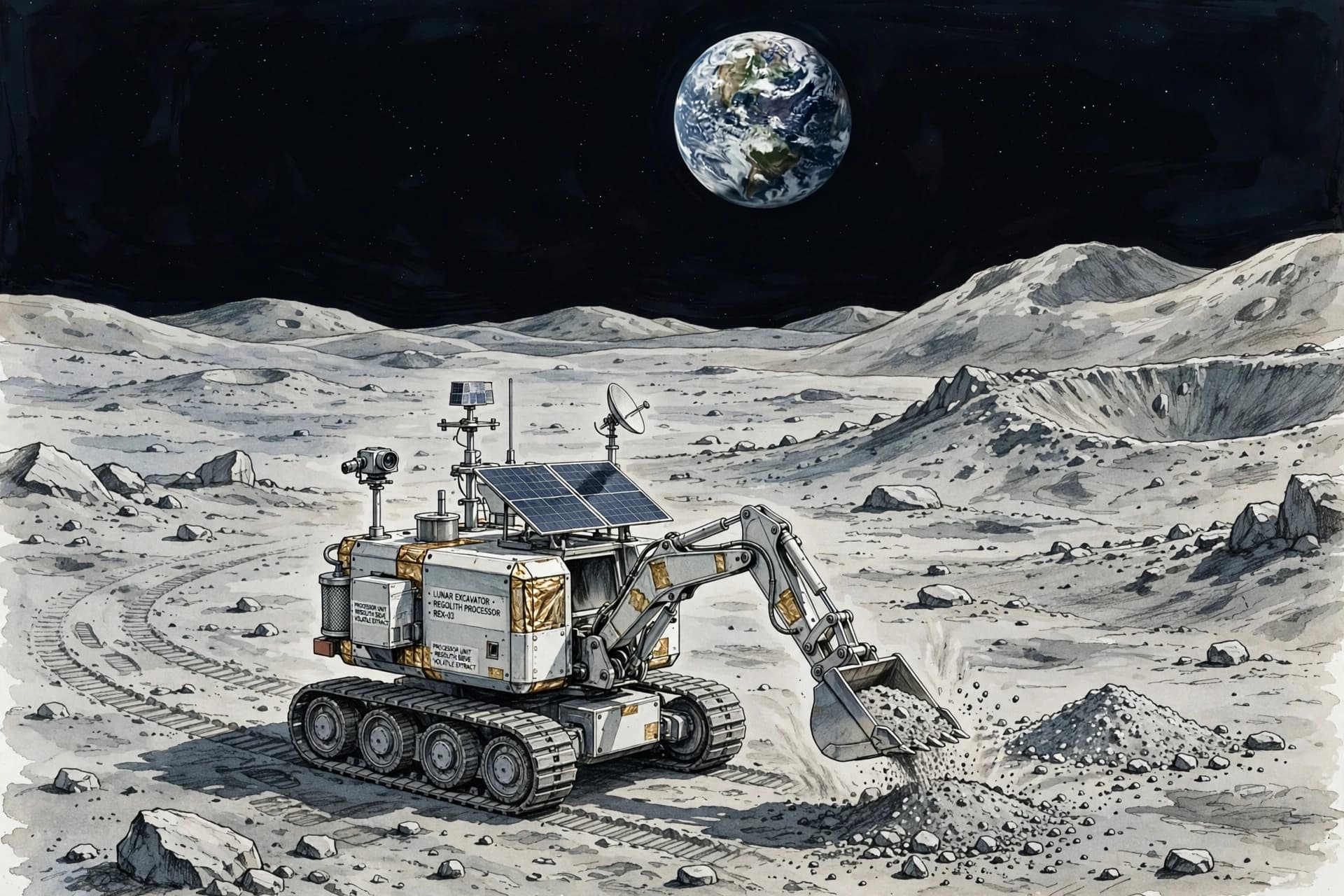
AI Image Disclaimer The images are AI-generated visualizations created to illustrate the concept and are not actual satellite photographs.
Source Check
ScienceAlert Phys.org NASA Earth Observatory Nature Climate Change The Guardian
Published by Banx Network. This article is part of the Banx decentralized media programme, powered by the BXE token on the XRP Ledger.