
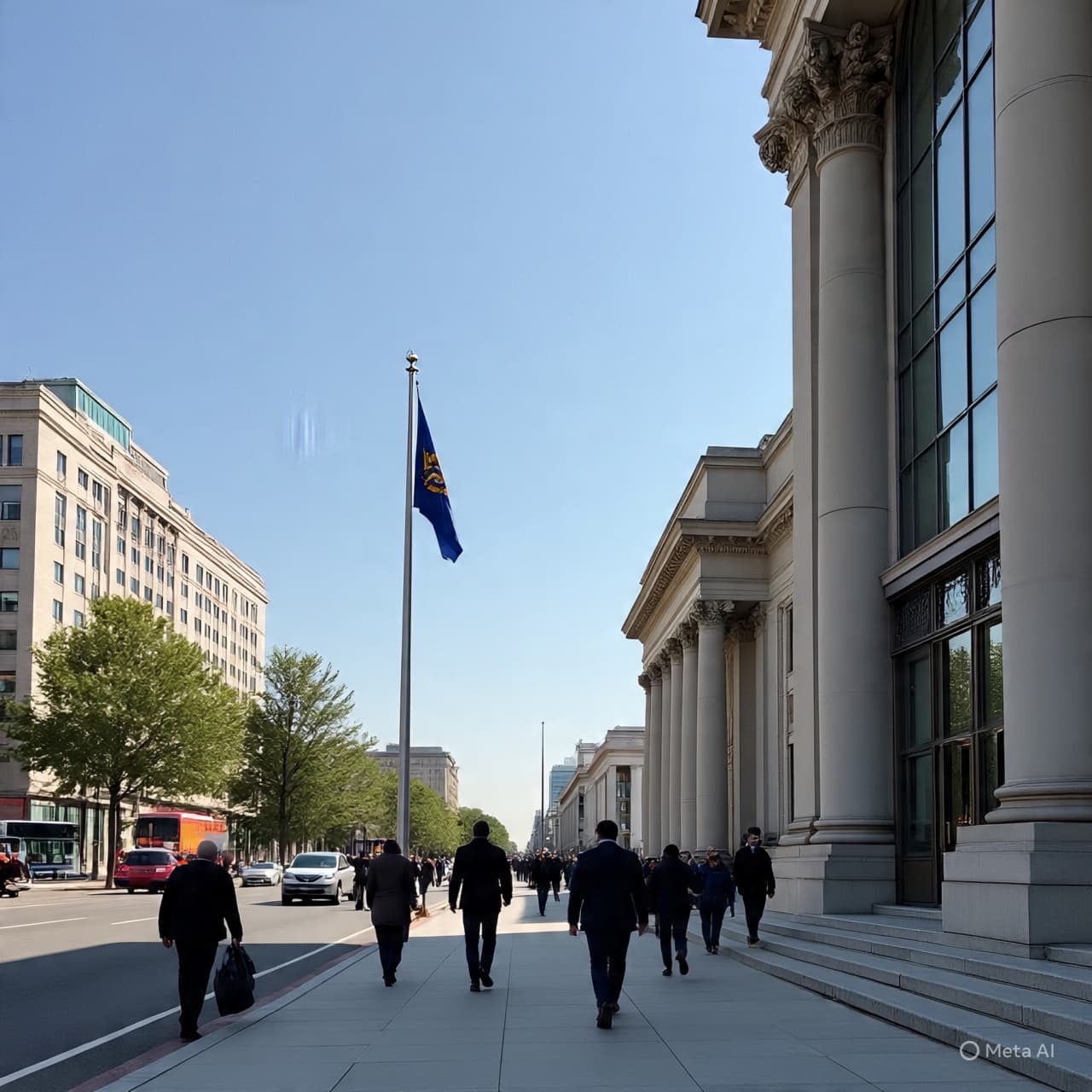
On certain mornings, just as the sun rises over distant ranges and light lengthens across familiar streets, there is a quiet sense of familiar change—a shift in the air that looks a little like the passing of seasons. In the years since New Zealand first confronted Covid‑19, memories of closed borders, alert levels, and public health orders have settled into the background of daily life, like the traces of an earlier winter that still linger in the early hour chill.
But this week, with another wave of Covid‑19 circulating through communities, those memories have come into sharper focus once more. In Auckland and beyond, rising case levels and increasing hospitalisations remind the country that the virus has not vanished, even if its urgency has softened since the height of the pandemic. Wastewater monitoring shows elevated Covid activity, among the highest seen in recent months, while officials watch trends with cautious attentiveness.
As this ninth wave unfolds, it arrives alongside the long‑anticipated final report of the Royal Commission of Inquiry into New Zealand’s Covid response—a document stretching over hundreds of pages and offering a reflective reckoning with decisions made, choices lived, and the costs carried by a small island nation navigating an unprecedented global crisis.
There were moments during the pandemic when streets felt unusually still, and spaces that once bustled with everyday energy grew quiet under the weight of public health restrictions. Those years tested community rhythms and prompted deep debates about individual freedoms, collective responsibility, and how much sacrifice was fair to ask of one another. In reviewing that era, the commission concluded that New Zealand’s overall response was among the most effective globally, saving many lives even as it acknowledged that measures such as mandates and lockdowns were deeply challenging for some and at times poorly communicated.
This current wave—still modest by earlier standards—offers a different impression. There are no strict alert levels, no border closures ringing the nation’s coastlines. Instead, there is a sense that the virus now coexists with other respiratory illnesses in the quiet cadence of everyday life, like the seasonal influenza or the common cold, reminding people of fragility without overwhelming it. Officials encourage vaccinations and sensible precautions, especially for the vulnerable, even as most daily routines proceed without fanfare.
The echoes of earlier years still shape the way New Zealanders speak of illness, resilience, and social responsibility. The public discourse that accompanied the pandemic’s peak—about evidence, trust, and preparedness—continues to inform how communities approach public health, mental wellness, and future readiness. The commission’s recommendations, intended to guide better decision‑making and strengthen societal safeguards, appear now as a bridge between what was and what might lie ahead, urging reflection without insisting on conclusion.
These are not easy conversations, nor are they neatly separable from the personal experiences so many citizens carry—of isolation, loss, relief, or return to routine. Yet in the gentle light of this moment, as a familiar virus rolls through the country again and winter signals its approach, there is a calmness to the way New Zealanders meet it—a quiet acknowledgment of past struggles coupled with an everyday determination to continue.
Covid‑19 activity has risen again in New Zealand, particularly in Auckland, where wastewater and case data show elevated levels. The release of the Royal Commission’s final report on the pandemic response coincides with this new wave. The report found New Zealand’s overall approach was effective but left lessons to carry forward in future preparedness and public health decision‑making.
AI Image Disclaimer: Illustrations were created using AI tools and are not real photographs.
Sources: Radio New Zealand, The Guardian, Royal Commission COVID‑19 Lessons Learned Final Report
Published by Banx Network. This article is part of the Banx decentralized media programme, powered by the BXE token on the XRP Ledger.


