
Key Highlights
- China's manufacturing sector remains a key driver of trade across Asia.
- Demand for technology products and industrial goods fuels economic activity.
- Manufacturers are investing in automation and quality to meet global demand.
China's manufacturing prowess continues to play a pivotal role in supporting trade networks across Asia and beyond. Every shipment that departs from bustling ports symbolizes not just the movement of goods, but also the culmination of innovation, manufacturing, and international cooperation. As the world's second-largest economy, China's manufacturing sector is integral to the economic fabric of the region, influencing various industries and employment levels.
The demand for Chinese technology products, industrial equipment, and consumer electronics remains robust, serving as a significant driver of trade throughout Asia and many international markets. This demand is not only a reflection of China's manufacturing capabilities but also highlights the interconnectedness of global supply chains. As countries increasingly rely on Chinese goods, the implications for trade dynamics and economic relationships are profound.
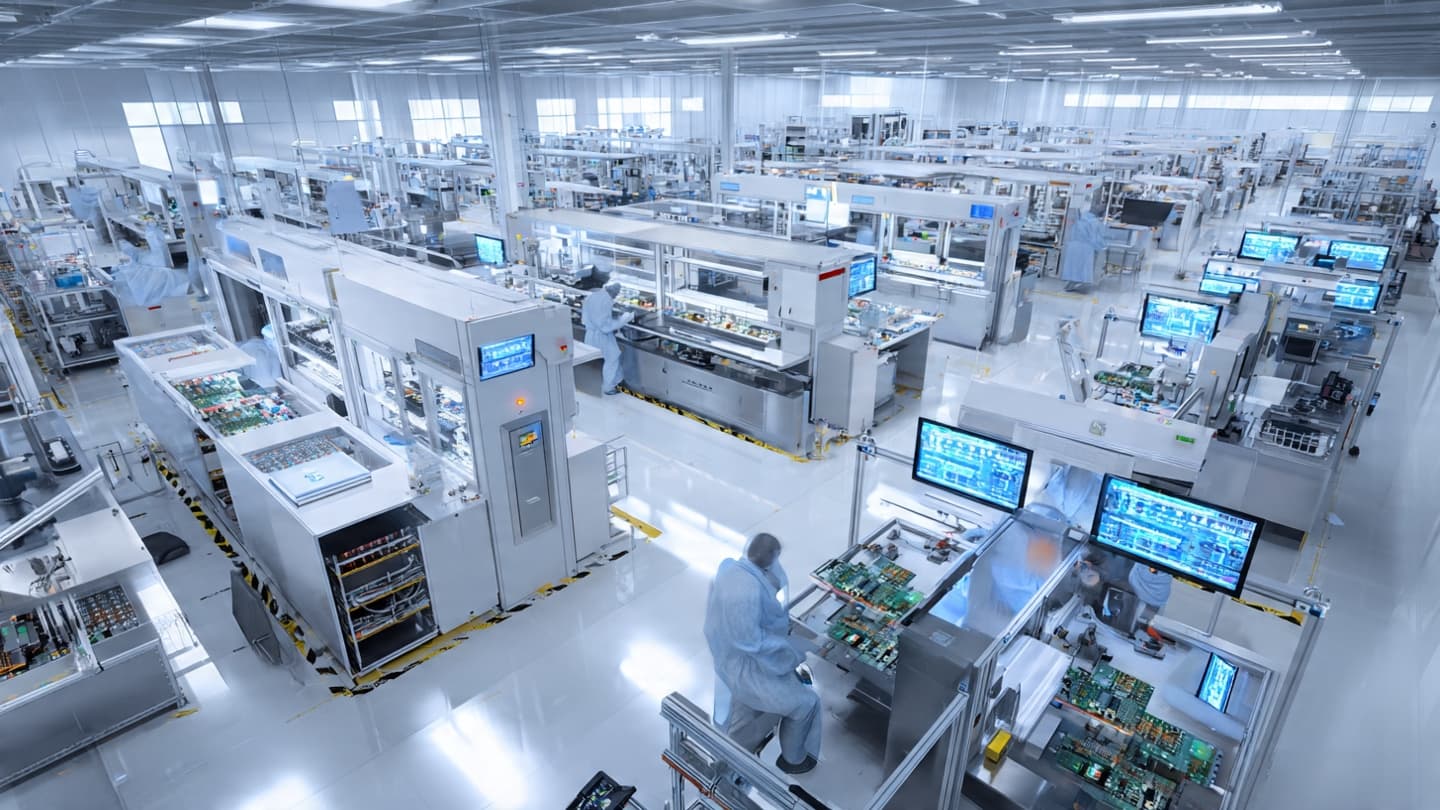
Manufacturers in China are actively expanding their production capacities while investing heavily in advanced automation and research. This strategic focus on innovation and product quality is essential for maintaining competitiveness in an ever-evolving global market. The emphasis on technological advancement allows Chinese manufacturers to adapt to changing consumer preferences and market demands, ensuring that they remain at the forefront of the industry.
Key sectors contributing to China's export performance include technology products, electric equipment, consumer electronics, and industrial components. These categories not only bolster China's economy but also play a crucial role in regional supply chains, facilitating the flow of goods across borders. As a result, the resilience of China's manufacturing activity has a ripple effect, supporting employment and logistics in various industries connected to international trade.
Market observers note that the ongoing strength of China's manufacturing sector is vital for sustaining economic activity across Asia. As global demand evolves, the ability of Chinese manufacturers to adapt and innovate will be critical in shaping the future of trade in the region. The interplay between manufacturing and trade underscores the importance of China's role in the global economy, highlighting its influence on cross-border commerce and economic growth.
In conclusion, China's manufacturing sector is not just a national asset but a cornerstone of Asia's economic landscape. Its continued strength and adaptability will be essential as the region navigates the complexities of global trade and seeks to enhance its competitive edge in the international market.
Published by Banx Network. This article is part of the Banx decentralized media programme, powered by the BXE token on the XRP Ledger.



