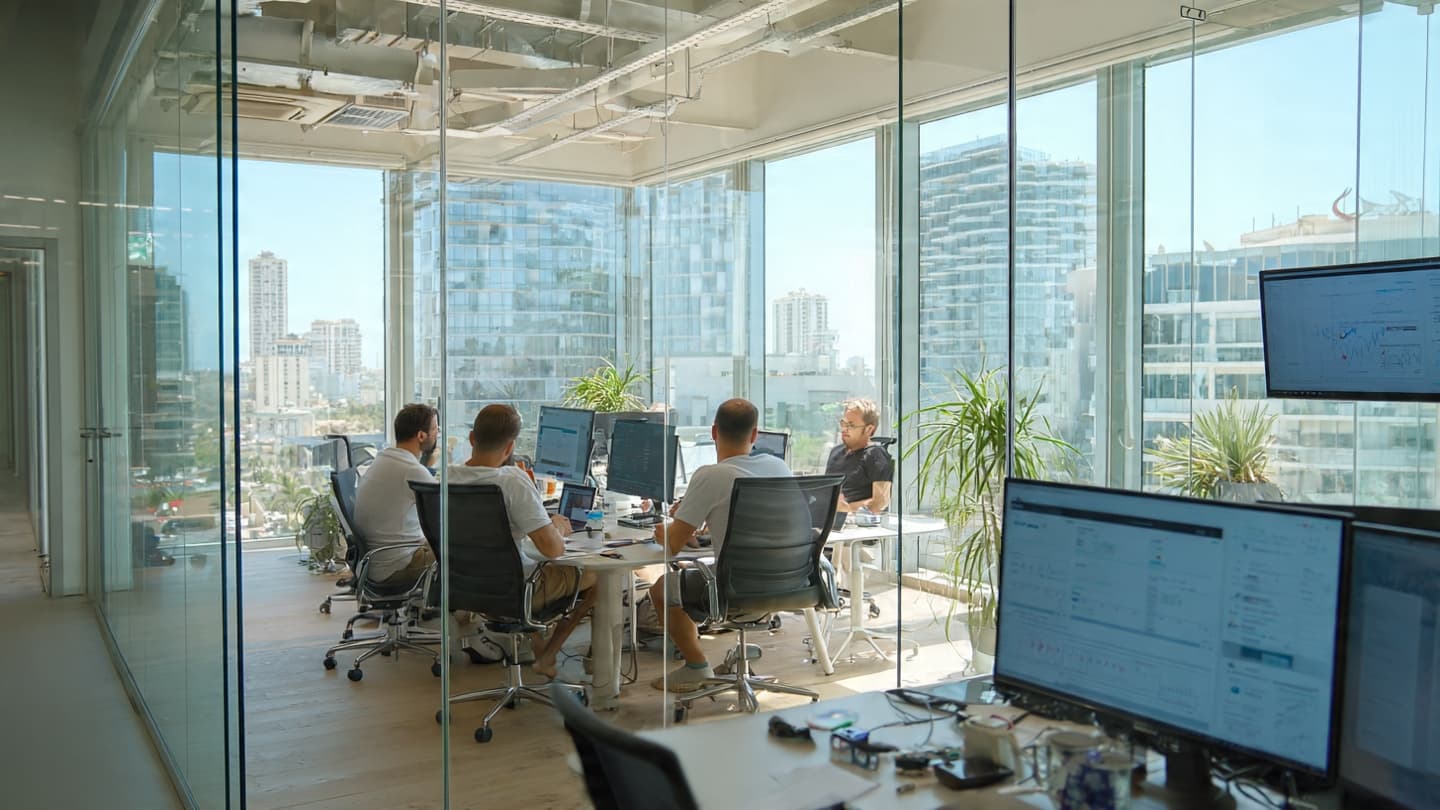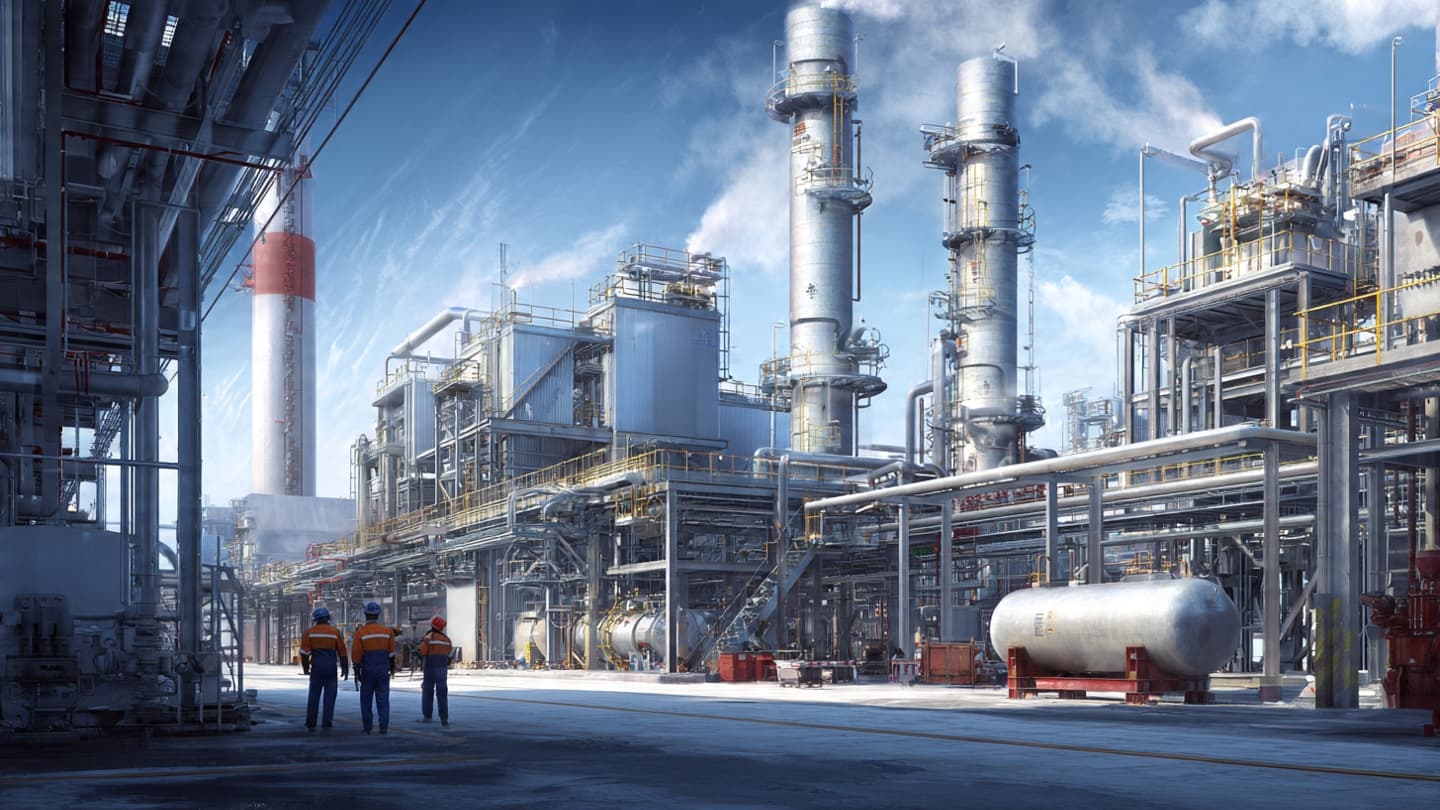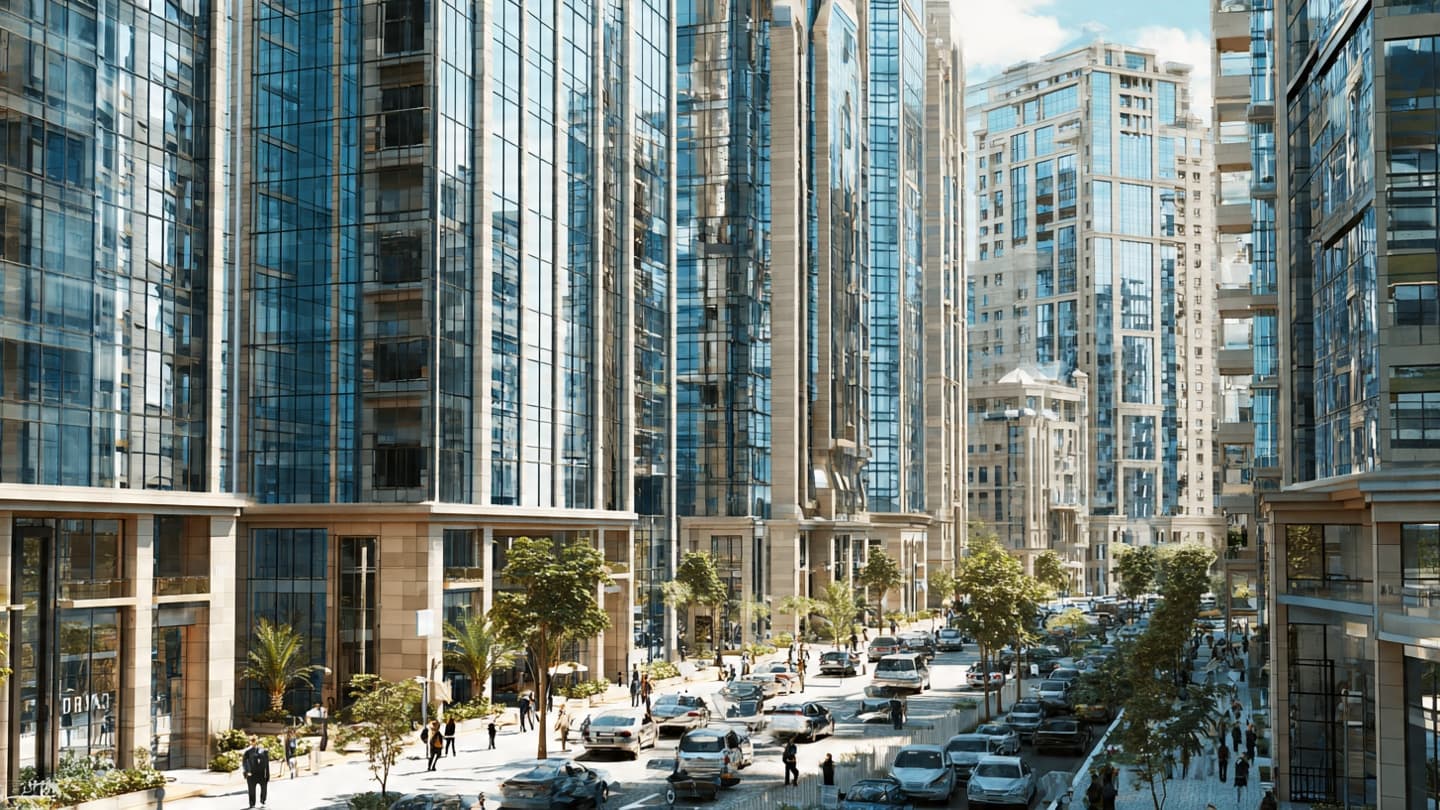
There is a particular rhythm to an economy when uncertainty begins to soften. Orders arrive with slightly greater regularity, production schedules become easier to plan, and businesses can look beyond the immediate week. Across Egypt, recent indicators have pointed toward that kind of gradual adjustment, with private-sector conditions moving closer to stabilization after a prolonged period of economic pressure. The improvement comes against the backdrop of stronger national growth. Egypt’s economy expanded 5.1% in the latest fiscal year, while private-sector activity has shown signs of becoming more stable. Reuters and Arab News have reported improving conditions across several parts of the economy, suggesting that the recovery is beginning to reach businesses beyond the largest state-linked or energy-related activities. For smaller and medium-sized companies, stability can be as important as rapid growth. Businesses need to know that customers will continue purchasing, suppliers can provide materials and financial conditions will not shift dramatically from one month to the next. When those elements become more predictable, companies can gradually return their attention toward expansion, hiring and investment. Manufacturing remains an important part of this picture. Egypt has a broad industrial base covering food production, chemicals, construction materials, textiles and other goods. Improvements in domestic demand can therefore travel through multiple layers of the economy, from factories and warehouses to transportation companies and retailers. The service sector provides another measure of economic movement. Restaurants, hotels, transportation businesses, professional services and retailers all respond quickly to changes in household spending and business confidence. When activity strengthens in these areas, the effect can be felt on city streets as well as inside corporate balance sheets. Tourism continues to provide an important source of demand. Egypt’s archaeological sites, coastal destinations and cultural attractions bring visitors from around the world, supporting businesses that range from large hotels to smaller local operators. A stronger tourism environment can help create additional activity across transportation, hospitality and retail. Currency and inflation conditions remain important considerations for private businesses, however. Companies that rely on imported materials or equipment remain sensitive to exchange-rate movements, while households continue to pay attention to the cost of everyday goods. Stabilization therefore does not necessarily mean that all economic pressures have disappeared. What matters is the direction of movement. After a period characterized by sharp adjustments, businesses are now operating in an environment where some indicators have become more constructive. That does not remove uncertainty, but it can provide companies with a stronger foundation for planning. Egypt’s private sector is consequently entering another stage of its economic journey. The pace may remain uneven from one industry to another, but the broader picture is gradually becoming clearer: business conditions are moving closer to stability, while stronger economic growth provides additional space for companies to rebuild confidence and plan for the months ahead. AI Image Disclaimer The visual illustrations in this article were generated using AI for contextual purposes. They represent general Egyptian business environments and are not photographs of specific companies or events. Sources Reuters Arab News S&P Global
Published by Banx Network. This article is part of the Banx decentralized media programme, powered by the BXE token on the XRP Ledger.