

Key Highlights
- El Niño may significantly impact agricultural production in 2026.
- Asia could face drier conditions affecting staple crops.
- North and South America may experience contrasting weather patterns.
El Niño is a climate phenomenon that can have far-reaching effects on global agriculture, and scientists are currently warning of a potentially strong event developing in late 2026. This natural occurrence, characterized by warming sea surface temperatures in the Pacific Ocean, has historically altered weather patterns across continents, leading to significant implications for farming and food security.
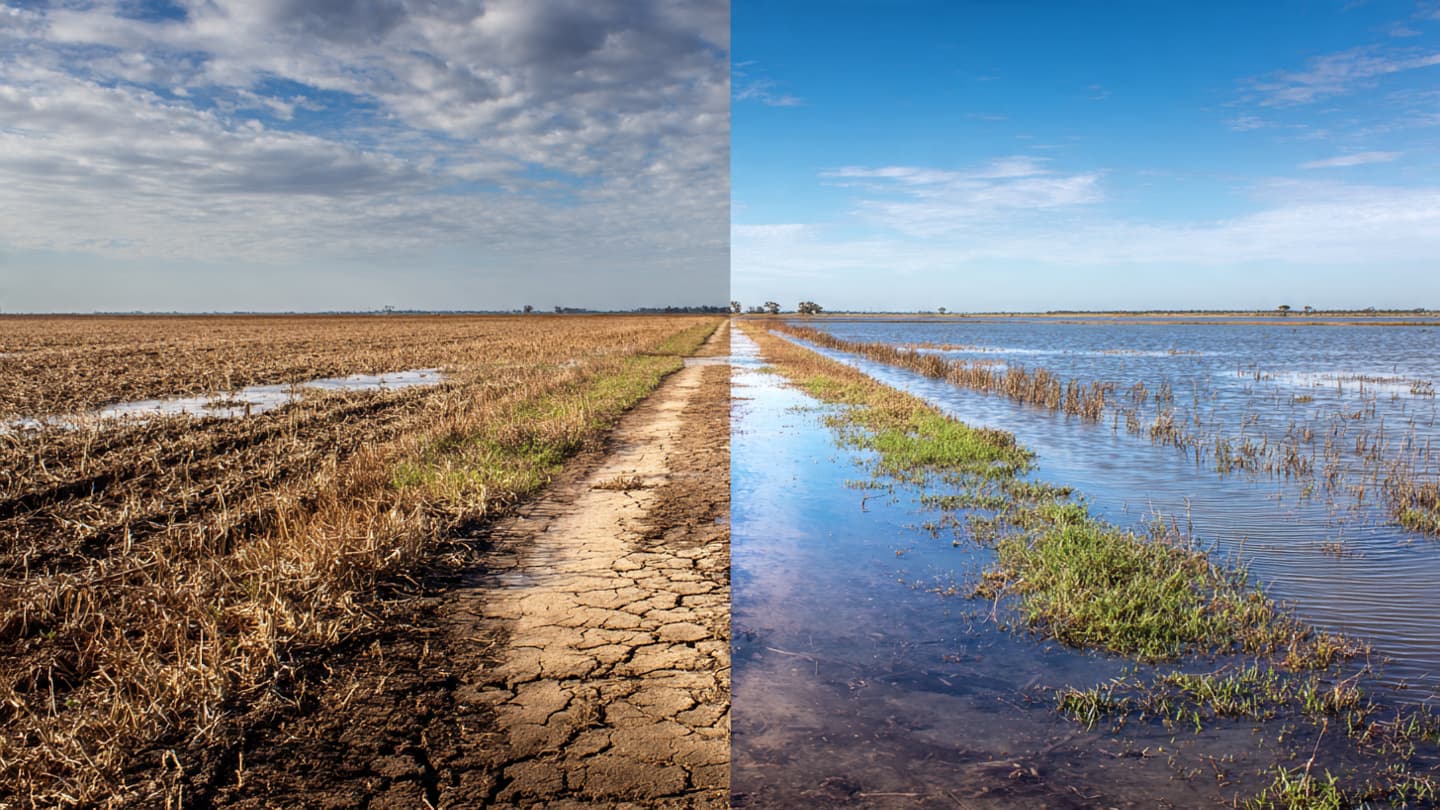
In Asia, the onset of El Niño often correlates with drier conditions, particularly in regions reliant on seasonal rainfall. Countries such as India, Indonesia, and the Philippines may experience increased risks of drought, which can severely impact the production of vital crops like rice and corn. The reduction in rainfall not only threatens crop yields but also places additional stress on water resources necessary for irrigation, further complicating the agricultural landscape.
Conversely, parts of North and South America may see contrasting effects during an El Niño event. While some regions could receive above-average rainfall, leading to potential flooding and soil erosion, others may face disruptions in planting and harvesting activities. The variability in weather patterns can create challenges for farmers, who must adapt to rapidly changing conditions to safeguard their crops.
Agricultural economists emphasize that these weather-related disruptions can have significant repercussions on global food markets. Lower yields in key producing countries can lead to increased commodity prices, altered trade flows, and heightened food insecurity, particularly in vulnerable regions that rely heavily on imports. The interconnectedness of global agriculture means that changes in one area can ripple through markets worldwide, affecting consumers and producers alike.
In anticipation of these challenges, farmers, government agencies, and agricultural organizations are proactively implementing contingency measures. Strategies such as improved water management practices, the development of drought-resistant crop varieties, and enhanced climate monitoring systems are being prioritized to mitigate the potential impacts of El Niño. These preparations are crucial for maintaining agricultural productivity and ensuring food security in the face of unpredictable weather patterns.
Climate experts note that while El Niño is a naturally occurring phenomenon, the broader trends of climate change may exacerbate the severity and frequency of extreme weather events associated with it. This underscores the importance of ongoing research and monitoring of ocean conditions, as well as the need for adaptive strategies in agriculture.
International organizations, including the Food and Agriculture Organization (FAO), continue to advocate for early preparedness efforts. They argue that timely adaptation measures can significantly reduce economic losses and enhance resilience among farming communities. As scientists keep a close watch on the Pacific, agricultural producers around the world are reminded that shifts in distant waters can profoundly shape their harvest seasons and livelihoods.
As the world braces for the potential impacts of El Niño, the agricultural sector must remain vigilant and adaptable, ensuring that farmers are equipped to navigate the challenges ahead.
Published by Banx Network. This article is part of the Banx decentralized media programme, powered by the BXE token on the XRP Ledger.




