

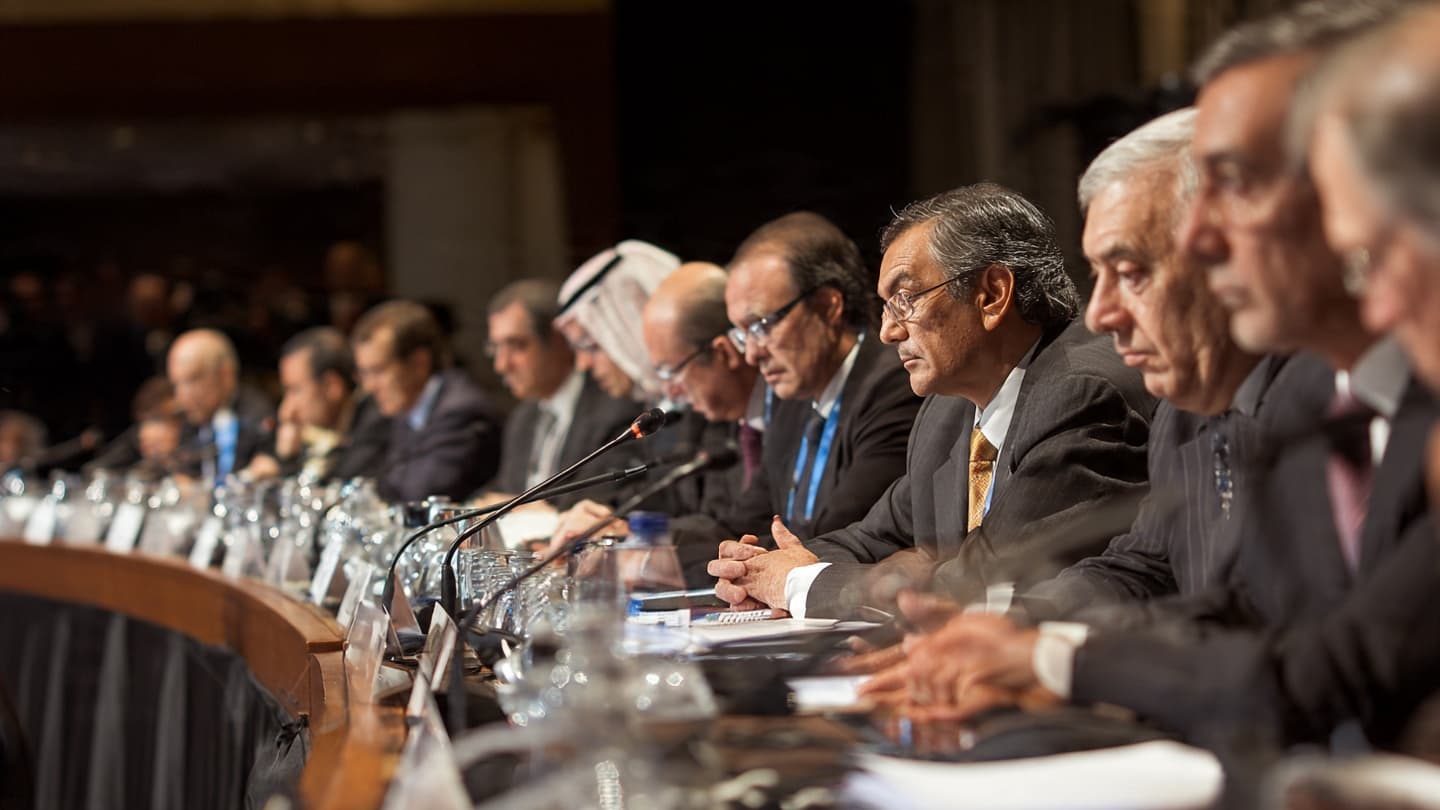
Key Highlights
- Renewed diplomatic initiatives are underway in the Middle East.
- Financial markets show optimism amid ongoing discussions.
- Humanitarian issues remain central to diplomatic talks.
Diplomacy rarely advances in straight lines. More often, it resembles a desert path shaped by wind—sometimes clear, sometimes obscured, yet continually traced by those seeking common ground. Across the Middle East, renewed diplomatic efforts are nurturing cautious hopes that dialogue may help ease longstanding tensions.
Recent diplomatic initiatives involving several Middle Eastern countries have continued amid persistent regional challenges. International mediators and regional leaders have intensified discussions aimed at reducing tensions and preventing further escalation in conflict-prone areas. These efforts come at a time when the region faces multiple crises, including ongoing conflicts in Syria and Yemen, as well as tensions between Israel and Palestine.
Financial markets have responded positively to signs of renewed engagement, reflecting investor optimism that sustained dialogue could contribute to greater regional stability. Analysts, however, caution that diplomatic progress in the Middle East has historically required patience and sustained commitment. The complexities of the region's political landscape mean that while initial steps may be promising, the path to lasting peace is often fraught with setbacks.
Officials involved in ongoing talks have emphasized the importance of maintaining communication channels, even when disagreements remain significant. Diplomatic contacts have focused on security concerns, humanitarian issues, and broader regional cooperation. The involvement of international organizations has been crucial in facilitating these discussions, as they provide a neutral ground for dialogue and help mediate between conflicting parties.
Several governments have reiterated support for peaceful solutions through negotiation rather than confrontation. This sentiment is echoed by various international organizations, which have encouraged all parties to continue engaging in constructive dialogue. The United Nations, for instance, has been vocal about the need for a collaborative approach to address the myriad challenges facing the region.
Regional experts note that geopolitical dynamics in the Middle East remain highly complex, involving overlapping security, economic, and political interests. As a result, progress often occurs incrementally rather than through dramatic breakthroughs. The interplay of these factors means that while some nations may seek peace, others may pursue more aggressive strategies, complicating the diplomatic landscape.
Humanitarian considerations continue to influence diplomatic discussions. Ongoing conflicts and displacement crises across parts of the region have underscored the urgency of pursuing lasting political solutions. The plight of refugees and internally displaced persons remains a pressing issue that cannot be overlooked in the pursuit of peace.
Global powers also remain engaged in diplomatic efforts, recognizing that instability in the Middle East can affect energy markets, trade routes, and international security more broadly. The involvement of countries like the United States, Russia, and China highlights the global stakes tied to the region's stability.
While significant challenges persist, recent diplomatic activity suggests that dialogue remains an important instrument for reducing tensions and fostering a more stable regional environment. The road ahead may be long and winding, but the commitment to diplomacy offers a glimmer of hope for a more peaceful future in the Middle East.
Published by Banx Network. This article is part of the Banx decentralized media programme, powered by the BXE token on the XRP Ledger.




