
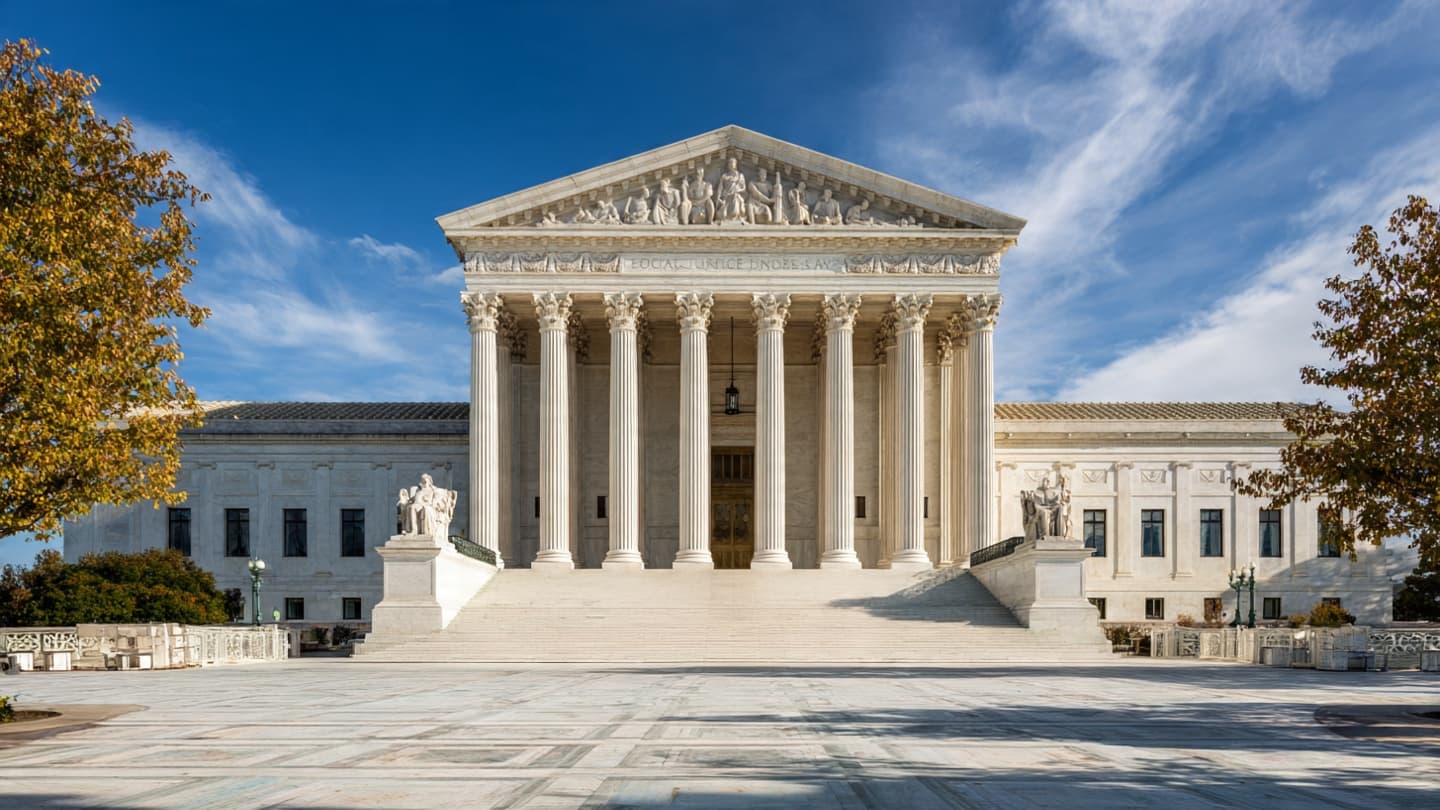
The passage of time often softens memories, yet some disputes continue to travel across generations like echoes carried by the tide. More than six decades after Cuba's revolutionary government nationalized American-owned assets, one such dispute has again reached the center of American law.
The U.S. Supreme Court ruled that ExxonMobil may continue pursuing legal claims against Cuban state-owned companies over property confiscated after the rise of Fidel Castro's government in 1960. The decision marks another significant chapter in the long-running legal and diplomatic tensions between Washington and Havana.
In a 6-3 ruling, the justices determined that ExxonMobil can proceed with its lawsuit under provisions of the Helms-Burton Act, a 1996 law designed to allow U.S. nationals to seek compensation for property seized by Cuba's communist government.
ExxonMobil's claim centers on assets once owned by Standard Oil subsidiaries, including an oil refinery and more than 100 service stations that were nationalized by Cuba. Government estimates place the original value of those assets at tens of millions of dollars, a figure that exceeds $1 billion when interest is included.
The legal debate focused on whether Cuban state-owned entities remained protected by sovereign immunity, a doctrine that generally shields foreign governments from lawsuits in U.S. courts. The Supreme Court majority concluded that Congress intended the Helms-Burton Act to permit such claims.
Justice Brett Kavanaugh authored the majority opinion, while Justice Elena Kagan wrote the dissent joined by Justices Sonia Sotomayor and Ketanji Brown Jackson. The dissent argued that sovereign immunity protections should continue unless Congress clearly states otherwise.
The ruling follows another recent Supreme Court decision involving claims tied to confiscated Cuban property, signaling the Court's continued willingness to interpret the Helms-Burton Act broadly. Legal analysts say the decisions may encourage additional litigation from American claimants.
For now, the case returns to lower courts, where ExxonMobil's compensation claims will continue to be examined. The decision may also influence future U.S.-Cuba legal disputes involving confiscated assets.
AI Image Disclaimer: Any accompanying illustrations for this article are AI-generated and intended solely for visual representation.
Sources (verification check): Reuters, Associated Press, The Wall Street Journal, Cornell Law School Legal Information Institute
Published by Banx Network. This article is part of the Banx decentralized media programme, powered by the BXE token on the XRP Ledger.
.jpg&w=3840&q=75 "Romania Passes Controversial Integrity Law for Officials to Access EU Funds")

