
Key Highlights
- Ukraine accuses Israel of importing grain seized by Russia from occupied territories.
- Diplomatic tensions escalate as Zelenskyy warns of sanctions.
- Israel investigates the shipment while maintaining a delicate balance with Russia.
The ongoing conflict between Ukraine and Russia has taken on new dimensions as accusations of grain theft have emerged, drawing in Israel into the fray. This week, Ukrainian President Volodymyr Zelenskyy publicly accused Israel of allowing the import of grain that Ukraine claims was seized by Russia from occupied Ukrainian territories. This allegation has sparked a diplomatic dispute that underscores the complexities of wartime economics and international relations.
Zelenskyy’s statement highlighted the arrival of a vessel in Haifa, which he described as carrying what Ukraine considers stolen grain. He characterized the trade as illegitimate and warned that sanctions could be imposed on companies and individuals involved in the transaction. The president emphasized the moral and legal implications of purchasing stolen goods, stating, "In any normal country, purchasing stolen goods is an act that entails legal liability."
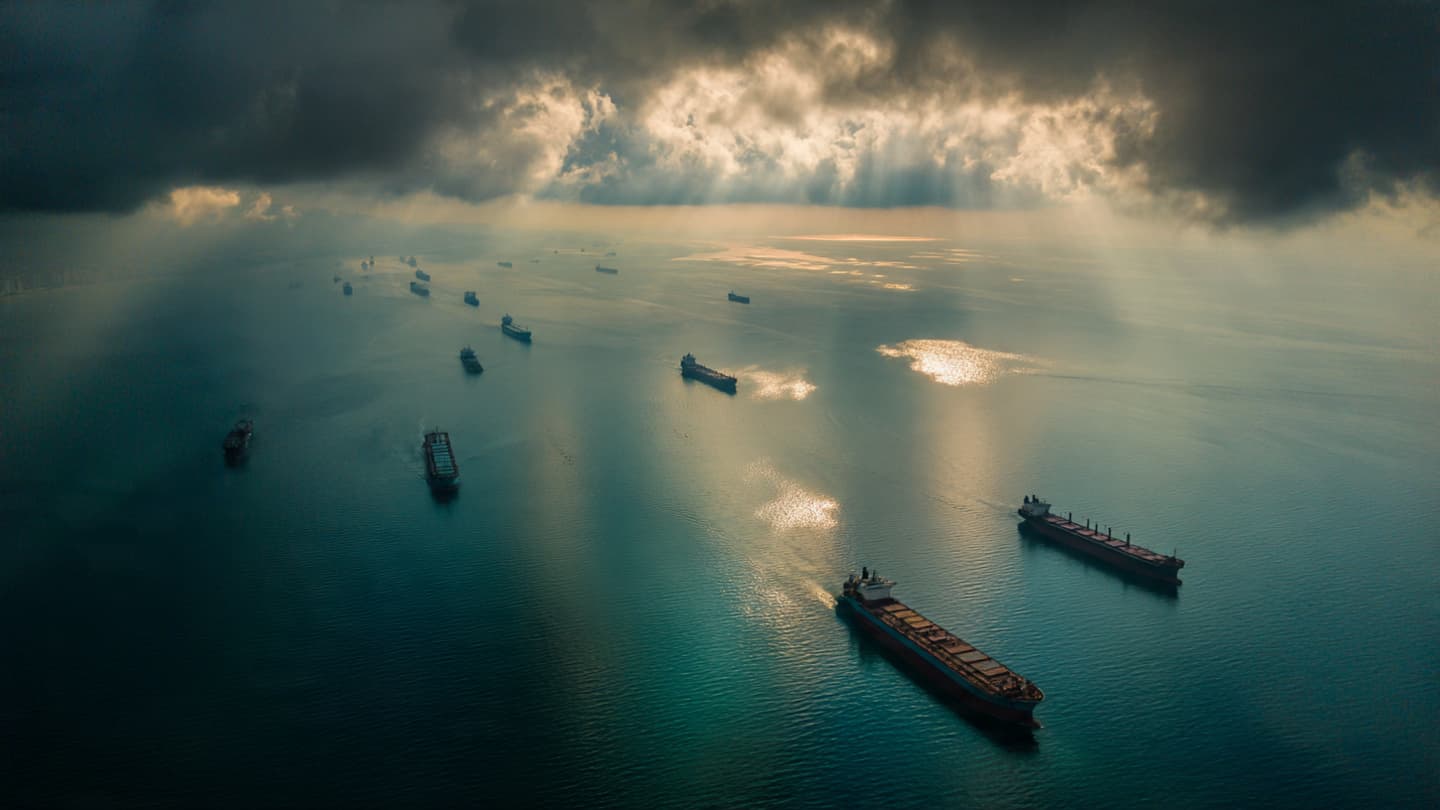
The ship at the center of this controversy has become emblematic of broader issues surrounding ownership and legality in wartime trade. Ukrainian officials assert that the grain originated from territories in southern and eastern Ukraine, areas under Russian control since the full-scale invasion began in 2022. They argue that such exports not only finance Russia’s military efforts but also normalize the economic integration of occupied territories into Russian trade networks. Estimates suggest that millions of tons of grain have been taken from these regions since the onset of the conflict, often rerouted through Russian ports before entering global markets.
In response to the accusations, Israeli officials have pushed back, asserting that the vessel had not officially entered the port and had not submitted the necessary documentation. Gideon Sa’ar, Israel's Minister of Interior, confirmed that an investigation was underway regarding the shipment but criticized Ukraine's public handling of the matter, labeling it as "Twitter diplomacy." He indicated that Ukraine had not provided adequate legal evidence or made formal requests for legal assistance through appropriate channels, emphasizing the need for due process.
However, Ukraine maintains that it had previously informed Israeli authorities about multiple shipments of agricultural goods allegedly taken from occupied Ukrainian land. The Ukrainian Foreign Ministry issued a formal note of protest, arguing that the issue is systemic rather than isolated. Officials warned that continued imports of such grain could jeopardize bilateral relations between Ukraine and Israel.
The complexities of maritime trade during wartime further complicate the situation. Cargo often changes hands, bills are rewritten, and grain can be mixed and relabeled, making it challenging to trace its origins once it enters global supply chains. Analysts have noted that proving the precise origin of agricultural commodities can be particularly difficult, especially in the context of ongoing conflict.
The European Union has also expressed concern over any trade that may inadvertently support Russia’s war efforts or help circumvent sanctions. Some European officials have suggested that sanctions could be imposed on entities found to be participating in such activities, further complicating the diplomatic landscape.
Israel's position in this dispute reflects its broader strategic balancing act. While Jerusalem has offered rhetorical support and humanitarian aid to Ukraine, it has also sought to maintain strategic ties with Moscow, particularly in light of regional tensions in Syria and the Middle East. This delicate balance has often strained relations with Kyiv, as Israel navigates its interests amid a complex geopolitical environment.
As the situation unfolds, the implications of this grain dispute extend beyond mere economics, touching on issues of legality, morality, and international diplomacy. The outcome may have lasting effects on Ukraine-Israel relations and the broader geopolitical landscape in the region.
Published by Banx Network. This article is part of the Banx decentralized media programme, powered by the BXE token on the XRP Ledger.



