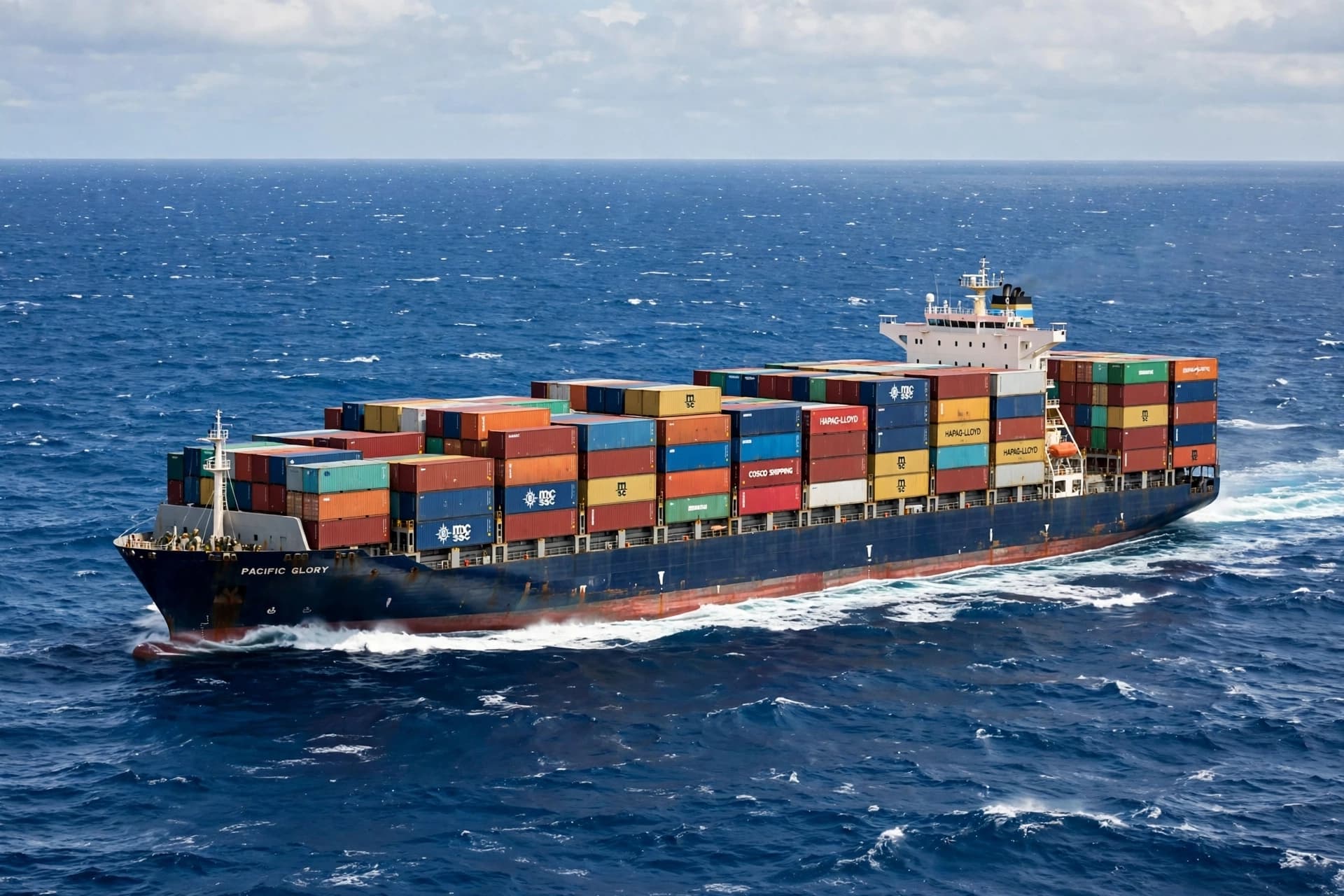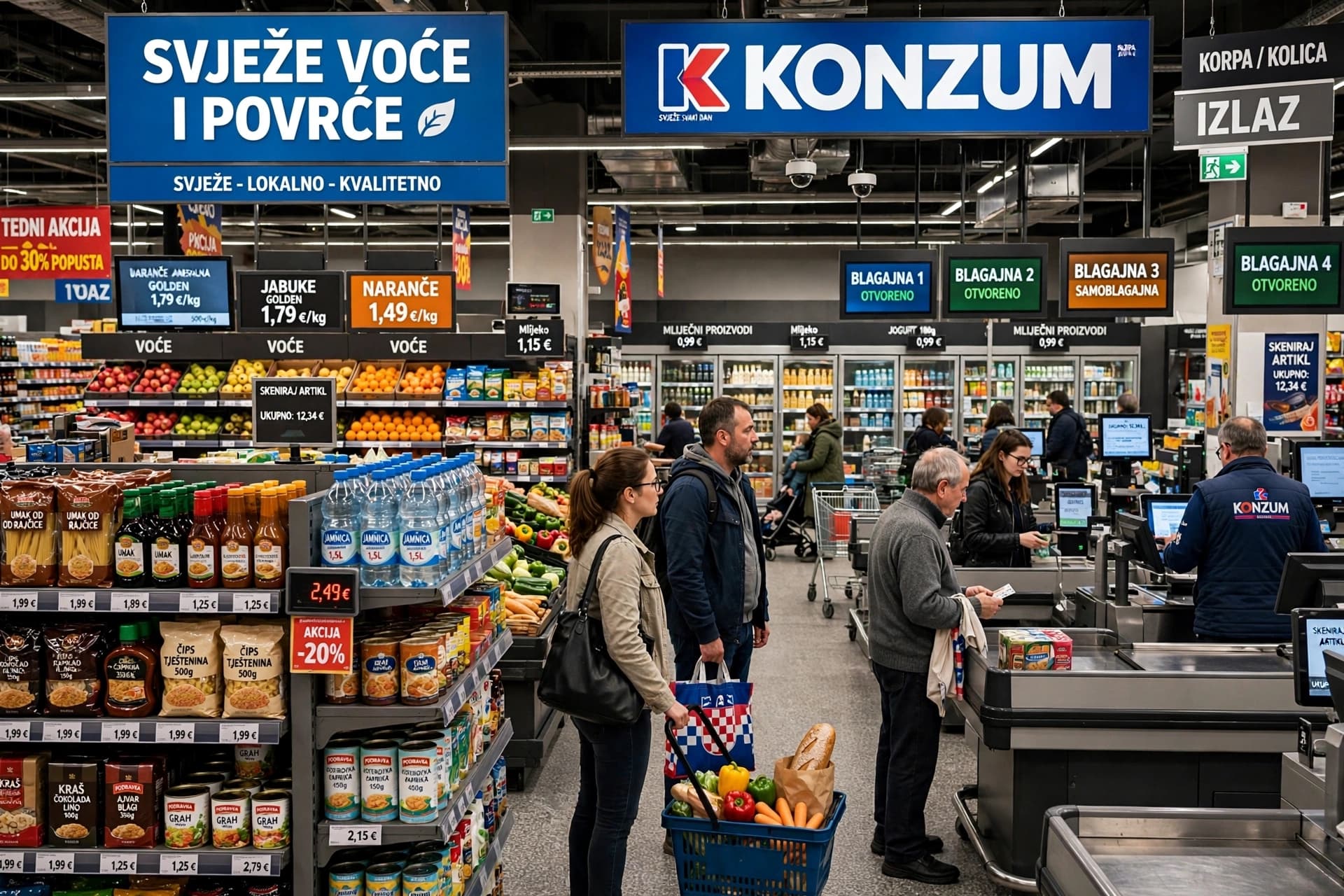
The rhythm of a retail economy is often heard in ordinary places: supermarket aisles, neighborhood shops, checkout counters and delivery vehicles moving through city streets.
In Croatia, that rhythm continued to grow during 2025. The country’s competition authority, AZTN, reported that 41 major grocery retailers generated €8.93 billion in revenue, representing a nominal increase of 6.2% compared with 2024.
The increase amounted to approximately €521.6 million compared with the previous year. At the same time, the pace of growth was slower than in 2024, when revenues among the retailers surveyed had increased by 8.8%.
The figures cover retailers primarily involved in groceries, beverages and household hygiene products. Together, the companies operated 5,347 sales locations in 2025, an increase of 81 stores, or 1.5%, from the previous year.
The total net sales area also expanded. Retailers in the study had approximately 1.67 million square meters of selling space, around 2.3% more than in 2024.
The growth occurred alongside higher food prices. Croatia’s statistics office recorded an average 5.1% increase in consumer prices for food and non-alcoholic beverages in 2025. AZTN cautioned that nominal revenue growth cannot by itself show how much of the increase came from higher prices and how much came from changes in sales volumes or store networks.
Konzum plus remained the largest grocery retailer in the study, with 630 sales locations. Lidl and Kaufland, both members of the Schwarz Group, together accounted for a market share in the 20%–30% range, according to AZTN’s data.
The composition of the ten largest retailers remained unchanged from 2024. Together, those ten companies generated 87.7% of the total revenue within the market covered by the survey, indicating that Croatia’s grocery sector remains concentrated among a relatively small group of major operators.
Online grocery sales remained a relatively small part of the market. Seven retailers in the survey generated revenue through their own online platforms, while loyalty programs continued to expand, with 16 retailers operating such programs during 2025.
The retail market therefore tells several stories at once. Revenue increased, physical store networks expanded and digital services continued to develop, while higher food prices also formed part of the environment in which those numbers were recorded.
For Croatian consumers, the changes appear not in a single dramatic moment but through thousands of ordinary shopping decisions. For retailers, those decisions become revenue figures, store expansion plans, loyalty programs and investments in logistics and technology.
As 2026 continues, Croatia’s grocery market carries that accumulated momentum forward. Behind the €8.93 billion figure is a retail landscape still evolving — one where familiar stores remain central, while prices, digital services and consumer habits continue to reshape the way people shop.
Image Disclaimer:
Visuals are AI-generated conceptual representations of Croatia’s retail sector and are not photographs of specific retailers or shopping events.
Sources:
SeeNews Croatian Competition Agency (AZTN) Croatian Bureau of Statistics Lider Media ESM Magazine
Published by Banx Network. This article is part of the Banx decentralized media programme, powered by the BXE token on the XRP Ledger.