
Key Highlights
- Diplomatic Engagement:Recent visits by Pakistan's military leadership to Tehran signal ongoing mediation efforts.
- Political Statements:Donald Trump's remarks suggest a potential resolution to the Iran conflict.
- Regional Dynamics:The interplay of public messaging and behind-the-scenes diplomacy shapes perceptions of peace.
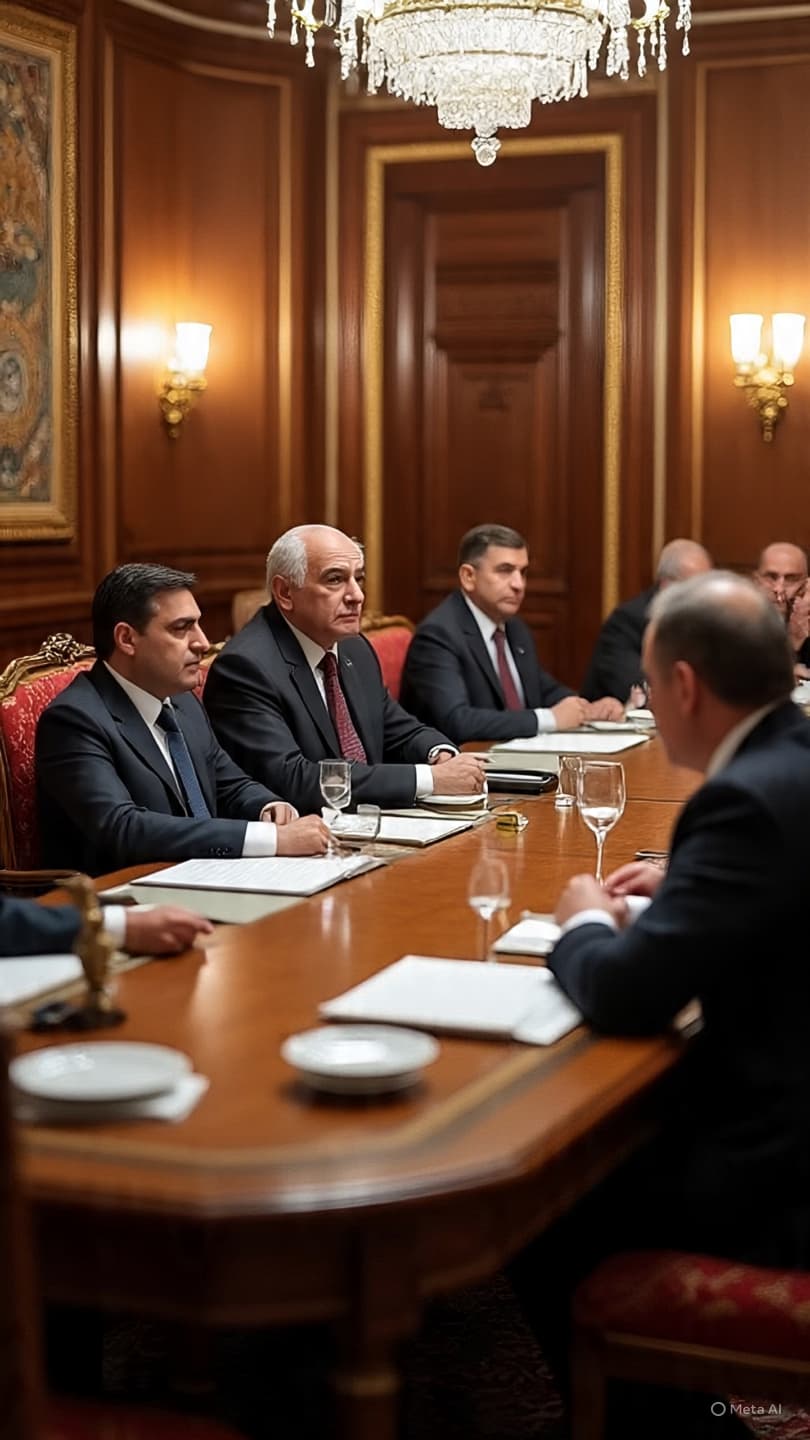
The landscape of international diplomacy often features moments where the language of resolution emerges even before tangible outcomes are realized. In recent weeks, remarks from former President Donald Trump, suggesting that the conflict involving Iran is 'close to over,' have entered this anticipatory discourse. This framing occurs alongside significant diplomatic engagements, notably the visit of Pakistan's army chief to Tehran, which is interpreted as a concerted effort to facilitate dialogue and mitigate regional tensions.
These developments illustrate a complex diplomatic moment where public assertions of nearing resolution coexist with discreet mediation efforts. In Tehran, where both regional and global interests converge with longstanding security concerns, such high-profile visits are not seen as isolated incidents but rather as integral components of a broader communication strategy among neighboring states.
Pakistan's geographical proximity to Iran, coupled with its established relationships with various regional actors, positions it as a crucial mediator during periods of heightened tension. The presence of military leadership in Tehran underscores the seriousness of the discussions taking place, even as formal agreements remain elusive. This dynamic highlights the importance of Pakistan's role in fostering dialogue and understanding in a region often characterized by volatility.
In contrast, political statements from figures like Trump operate within a different framework—one influenced by domestic political considerations and public messaging. While these remarks do not constitute formal diplomatic declarations, they play a significant role in shaping perceptions of the conflict's status and trajectory. The notion of a war being 'close to over' reflects a shifting narrative that may influence both public sentiment and diplomatic strategies.
The intersection of public political signaling and official mediation creates a delicate negotiation landscape. Here, language serves as both a tool and a reflection of ongoing discussions, with the potential to sway the direction of diplomatic efforts. The assertion that the conflict may be nearing its end does not necessarily align with confirmed agreements on the ground, yet it signals a growing perception that conditions might be evolving toward de-escalation.
In Tehran, discussions with visiting delegations are typically framed within the context of broader regional stability. Issues such as security, border management, and diplomatic coordination often underpin these meetings, particularly during times when regional tensions intersect with larger geopolitical dynamics. Although details of the current talks remain sparse, the symbolism of high-level military engagement suggests a commitment to maintaining open communication channels that extend beyond traditional diplomatic avenues.
Observers note that efforts to reduce regional tensions rarely follow a straightforward path. Instead, they unfold through a series of overlapping dialogues, intermittent announcements, and strategically timed visits. Each of these elements contributes to an environment where possibilities for de-escalation are continuously explored and reassessed.
What distinguishes the current moment is the convergence of narrative and negotiation: public claims of peace on one side and active mediation on the other. While this convergence does not guarantee a resolution, it indicates movement within a system often marked by prolonged uncertainty. As discussions progress in Tehran and statements circulate globally, the situation remains fluid, with the language of resolution emerging alongside the practicalities of diplomacy.
For now, the region exists in this transitional space—where conflict has not fully resolved, yet the vocabulary of resolution is beginning to take shape. In this context, every meeting, statement, and visit contributes to a broader effort to define the future trajectory of relations among these key players in the Middle East.
Published by Banx Network. This article is part of the Banx decentralized media programme, powered by the BXE token on the XRP Ledger.



