
Key Highlights
- Xi Jinping calls for increased dialogue with UK Prime Minister Keir Starmer.
- The emphasis on communication comes amid complex bilateral relations.
- Ongoing discussions aim to balance economic interests and political sensitivities.
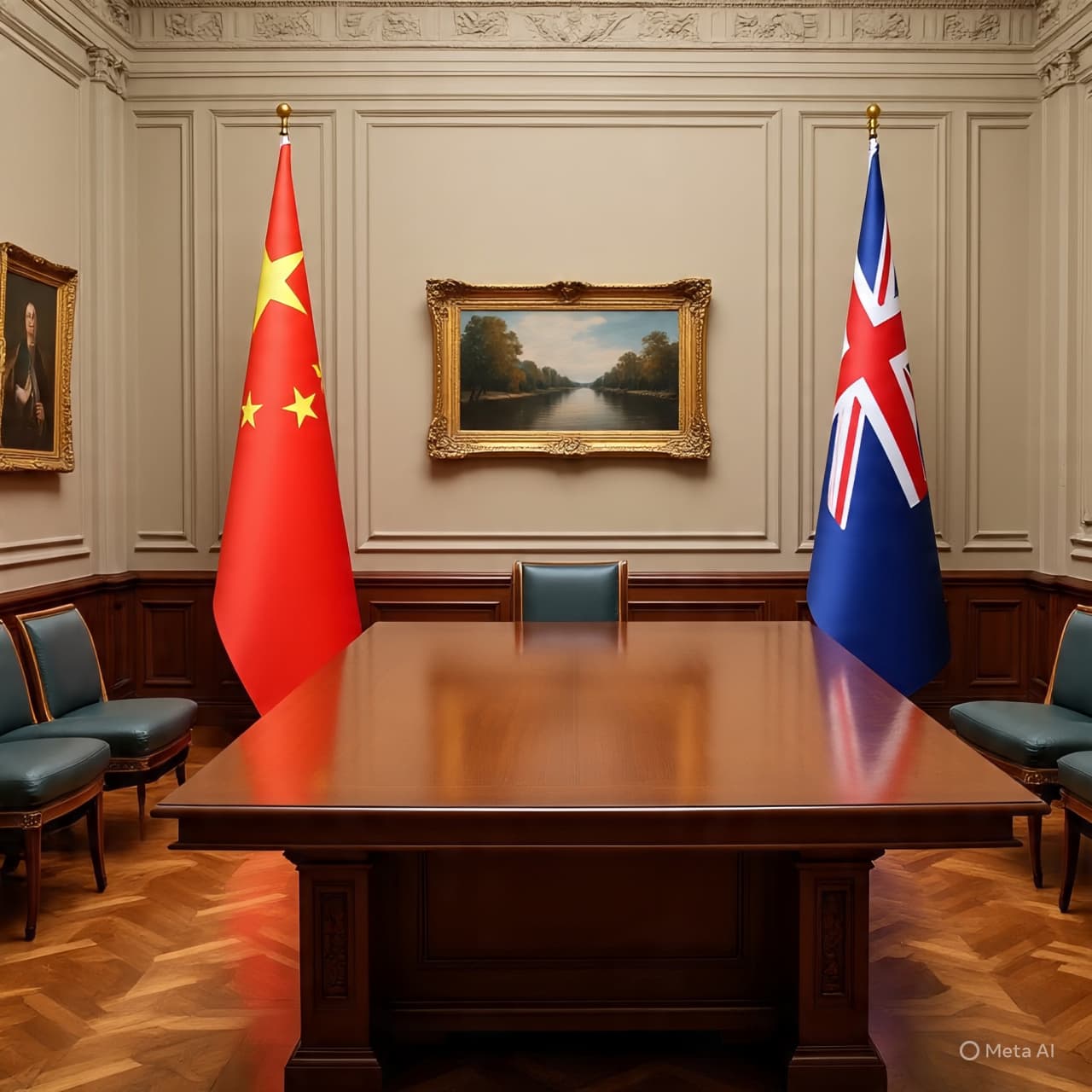
In the intricate world of diplomacy, where every statement can reverberate across nations, recent discussions between China and the United Kingdom have underscored the critical need for dialogue. President Xi Jinping has articulated to UK Prime Minister Keir Starmer that fostering communication is not merely beneficial but essential for the two countries' bilateral relationship. This assertion arrives during a time marked by fluctuating engagement on various fronts, including trade, global security, and climate cooperation, all intertwined with deeper political sensitivities.
Xi's insistence on dialogue reflects a broader understanding that international relationships extend beyond mere economic or strategic calculations. The nuances of language, the timing of exchanges, and the channels through which communication occurs are vital components that support more extensive interactions. By framing dialogue as imperative, Xi has indicated a commitment to maintaining open channels, seeking mutual understanding, and encouraging thoughtful exchanges, even amidst existing differences.
For the UK, navigating relations with China has historically involved a delicate balance between economic interests and political realities. This includes considerations surrounding trade agreements, investment opportunities, human rights issues, and regional security dynamics. The recent emphasis on consistent communication serves to create avenues for dialogue that may help avert misunderstandings, foster trust, and explore mutually advantageous solutions.
Experts observing these diplomatic exchanges note that they often reflect both posture and substance. Public declarations serve to outline intentions, while private discussions typically facilitate the actual negotiations. Xi's remarks, made in formal diplomatic contexts, contribute to a larger narrative in which both nations manage expectations and communicate priorities to their respective domestic and international audiences.
In practical terms, the call for dialogue is likely to influence forthcoming meetings, working-level discussions, and collaborative efforts across various sectors, including trade, science, and culture. Although Xi's statement does not specify particular actions or agreements, it reinforces the enduring acknowledgment that engagement—despite its challenges—remains a crucial tool in international relations.
Through his message to Starmer, China's leadership has positioned dialogue as a necessity rather than an option. This serves as a reminder that ongoing communication is vital for navigating the complexities of the global landscape, where each conversation can have far-reaching implications beyond the immediate context in which it takes place.
Published by Banx Network. This article is part of the Banx decentralized media programme, powered by the BXE token on the XRP Ledger.



