
Key Highlights
- Europe and U.S. ties remain strong despite increasing engagement with China.
- Recent diplomatic visits signal a commitment to trade and security.
- The balance of influence is crucial in contemporary international relations.
In the heart of Berlin, the early morning sunlight casts a warm glow on the modern glass façades of the government district, where diplomats navigate the intricate dance of international relations. The atmosphere is charged with anticipation as leaders prepare for discussions that intertwine the histories, economies, and futures of nations. The careful choice of words in these corridors reflects the weight of alliances, where every statement is a step towards fostering trust across borders.
Recently, Germany's foreign minister emphasized the enduring strength of the transatlantic relationship, asserting that ties between Europe and the United States are “stronger than China.” This declaration is not merely a political stance; it encapsulates the essence of international diplomacy, where continuity and attention shape the fabric of global relationships. As Western leaders increase their visits to Beijing, this statement serves as a reminder of the historical connections that continue to anchor policy discussions.
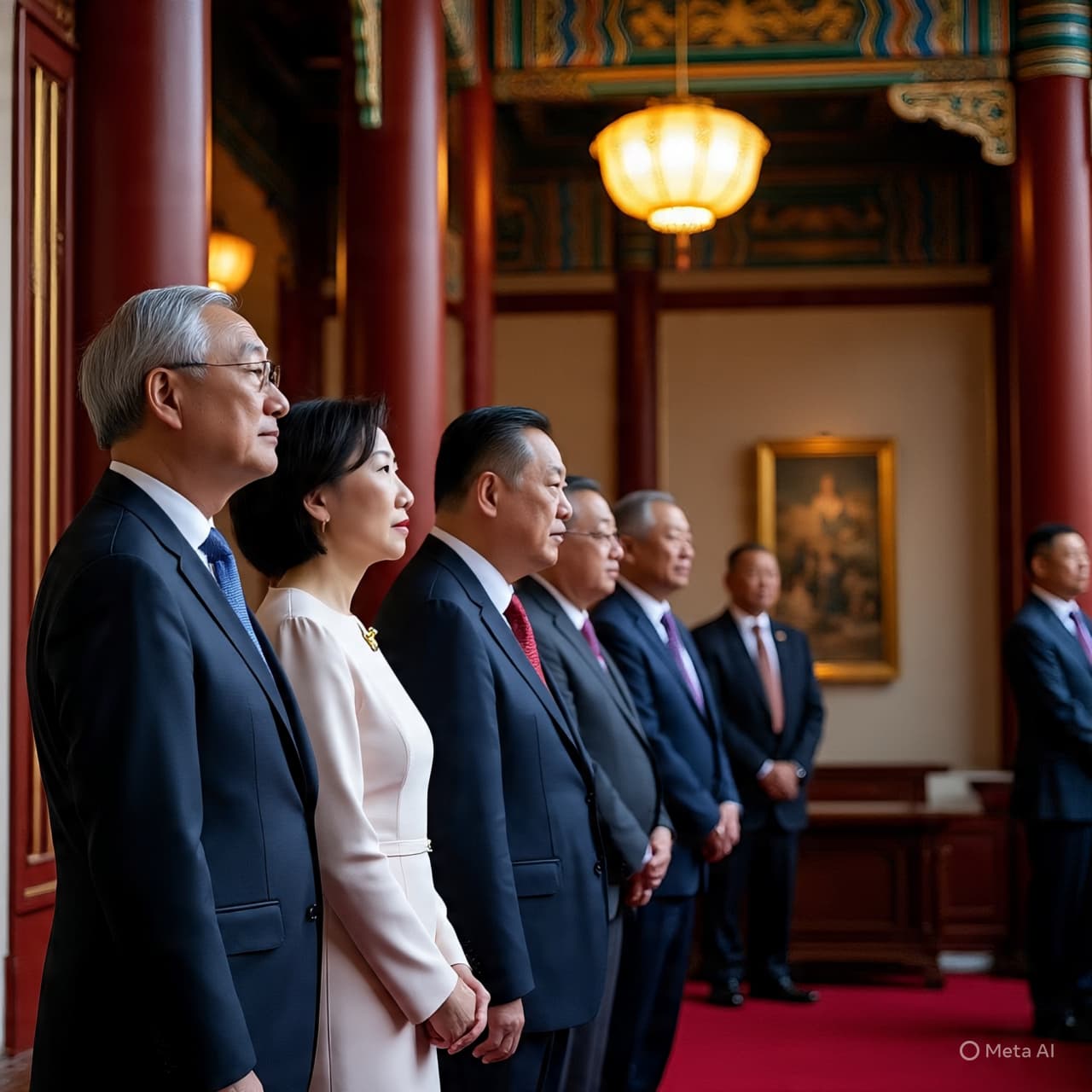
The growing engagement between Europe and China has been marked by a series of high-profile visits from heads of state and foreign ministers. These diplomatic missions, rich with ceremonial gestures and formal protocols, signify a dual approach: a desire for constructive dialogue with Beijing while reaffirming the importance of the transatlantic bond. The intricate balance of these relationships is crucial, as Europe navigates its role in a rapidly changing geopolitical landscape.
The minister's remarks come at a time when Europe is delicately choreographing its foreign policy. While seeking pragmatic engagement with China, European leaders are also keen to maintain their historic ties with Washington. Such statements serve a dual purpose: they reassure allies and signal priorities, reflecting a nuanced understanding of global dynamics without resorting to overt confrontation. In the realm of diplomacy, the rhythm of language carries as much significance as the agreements forged in meetings.
Beyond the formalities of government, the streets of Berlin pulse with life, where citizens engage in their daily routines, seemingly oblivious to the larger currents of decision-making that shape their world. Cafés buzz with conversation, and the city's vibrant atmosphere is a testament to the ongoing dialogues that unfold in conference halls and meeting rooms. The decisions made by leaders resonate beyond the walls of power, influencing public perception and shaping the future of international relations.
As Western leaders continue their diplomatic journeys to Beijing, Europe’s reaffirmation of its ties with the United States serves as a counterbalance. It underscores the notion that alliances are not merely transactional; they are cultivated over decades through both grand gestures and everyday interactions. In this context, words transcend their literal meaning, becoming symbols of continuity, connection, and a deliberate attentiveness to the shifting tides of global politics.
Published by Banx Network. This article is part of the Banx decentralized media programme, powered by the BXE token on the XRP Ledger.



