The air around a nuclear power plant carries a certain gravity, even when the sky above it is pale and untroubled. Cooling towers rise like fixed sentinels, and within their perimeter the language of safety is measured and exact. Doors seal with intention. Lights hum softly over panels of switches and gauges. Every corridor is designed with purpose, every room defined by protocol.
Yet in the occupied city of Enerhodar, where the Zaporizhzhia Nuclear Power Plant stands along the broad sweep of the Dnipro River, the rhythms inside the complex have taken on an unfamiliar tone. The facility, Europe’s largest nuclear power station, has been under Russian control since 2022. Since then, its reactors have been largely shut down, though the systems that maintain cooling and safety remain active, requiring constant supervision.
In recent weeks, reports and images circulated by local media and observers have suggested that some Russian personnel working at the site have converted service areas within the plant into makeshift living quarters. Rooms originally intended for technical use — including spaces designed for protective preparation and equipment handling — appear in photographs rearranged with tables, cooking appliances, and personal items. The transformation, informal and domestic, contrasts sharply with the facility’s industrial purpose.
The descriptions have prompted concern among Ukrainian officials and nuclear safety observers. The plant operates under stringent fire and safety regulations, and restricted zones are typically governed by precise rules about access and usage. Converting such areas into residential or recreational spaces could, critics argue, create additional hazards in an environment where risk must be minimized at all times.
The broader context remains one of strain. Since the occupation, many Ukrainian staff members have left the facility, and Russian state nuclear corporation personnel have been deployed to fill critical roles. International monitors from the International Atomic Energy Agency have maintained a presence at the site, repeatedly emphasizing the importance of preserving safety standards amid the ongoing war.
For those now stationed there, daily life appears to unfold between two realities: the technical demands of maintaining reactors in cold shutdown and the human impulse to establish some semblance of routine. A table laid out for a shared meal inside a restricted service room suggests an effort to create familiarity in a setting defined by tension and uncertainty. Yet the symbolism of such gestures does not lessen the sensitivity of the environment in which they occur.
Zaporizhzhia’s reactors remain offline but require sustained cooling and oversight. International agencies continue to warn that the plant’s security and staffing conditions are fragile. Reports indicate that questions about fire safety, regulatory compliance, and workforce capacity persist as the conflict continues.
According to recent coverage, Russian workers assigned to the occupied Zaporizhzhia Nuclear Power Plant have used certain service rooms as living or communal spaces. Ukrainian authorities and safety experts say the practice may violate established regulations. The plant remains under Russian control, and international monitoring efforts are ongoing.
AI Image Disclaimer
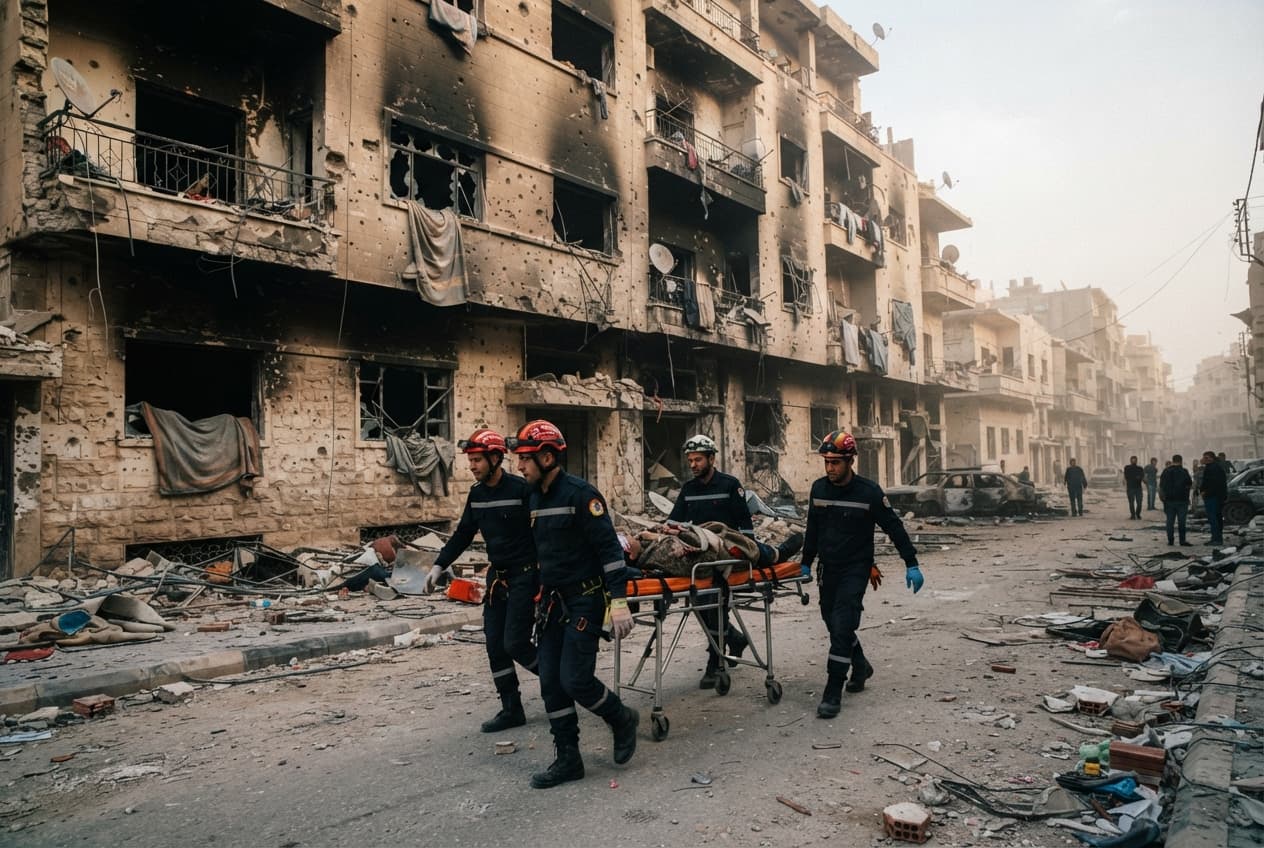
Illustrations were created using AI tools and serve as conceptual representations.
Sources (Media Names Only): Reuters Associated Press BBC News The Guardian The Kyiv Independent
Published by Banx Network. This article is part of the Banx decentralized media programme, powered by the BXE token on the XRP Ledger.