Artificial intelligence has spent much of its recent history living behind screens. It writes, searches, analyzes images, generates sounds, and answers questions through digital interfaces. Now another chapter is emerging in China, where researchers and companies are working to give intelligence a physical presence.
Embodied intelligence refers to AI systems that can perceive and interact with the physical world through machines such as robots. Instead of simply processing information, these systems must understand space, movement, objects, and changing environments before deciding what action to take.
China has identified embodied intelligence as an important area of technological development. The country is building capabilities across artificial intelligence, robotics, sensors, and computing infrastructure, with the goal of creating machines that can perform increasingly complex physical tasks.
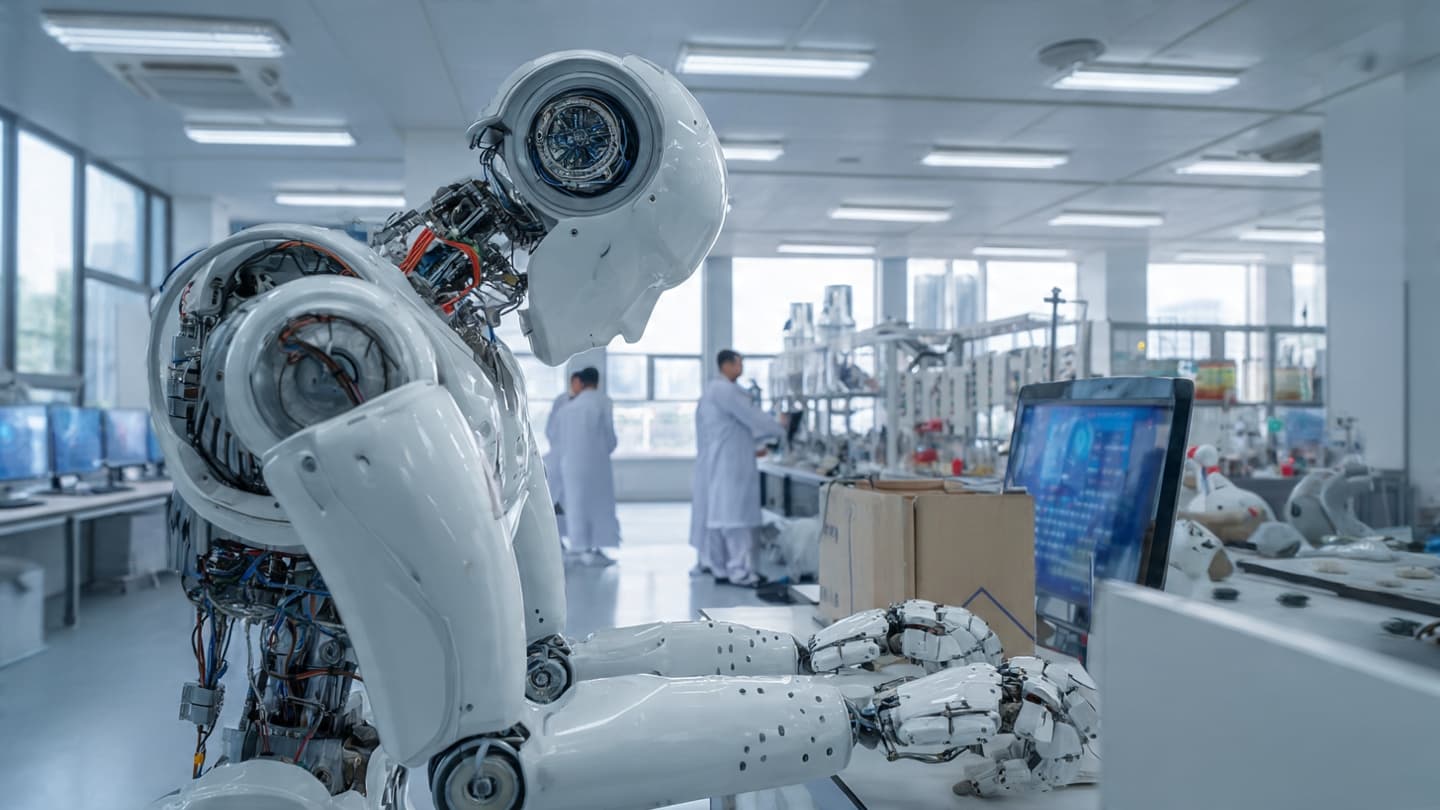
The concept becomes especially important for humanoid robots. A machine designed to work in a human environment needs more than mechanical strength. It needs perception, planning, balance, coordination, and the ability to respond when circumstances change.
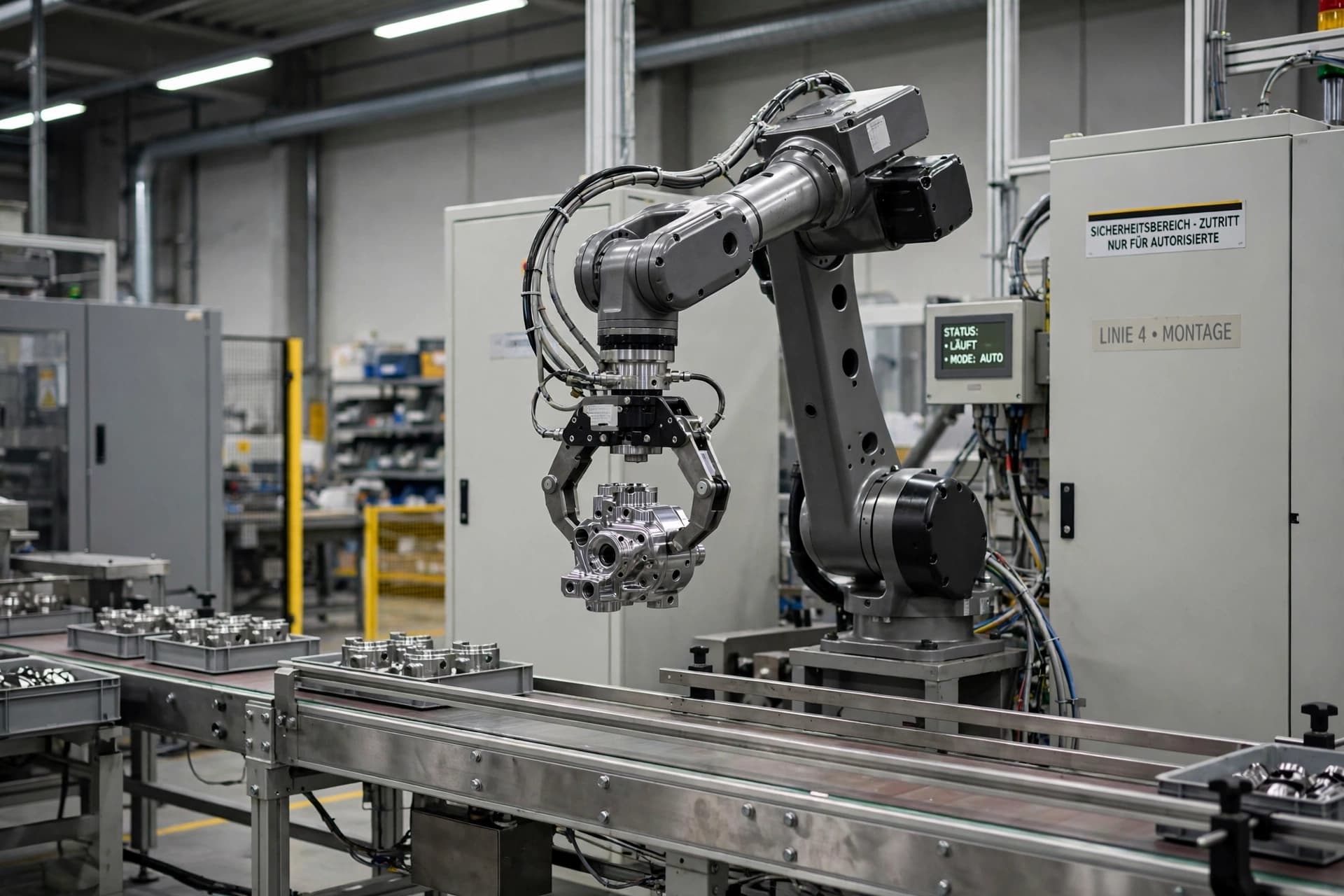
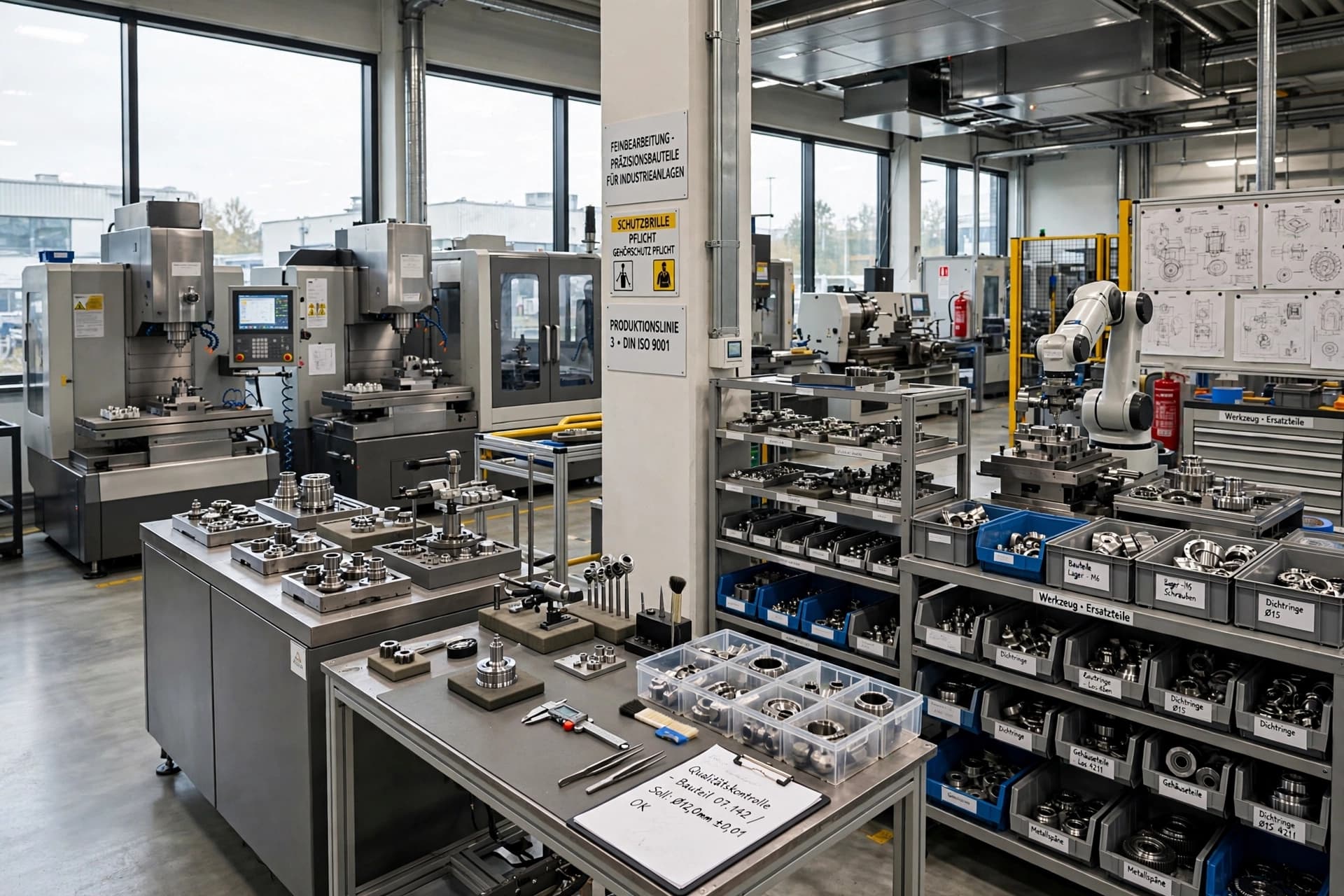
Recent demonstrations by Chinese robotics companies have shown how quickly the field is developing. Humanoid robots are increasingly being tested in factories, warehouses, research laboratories, and public demonstrations, providing researchers with environments where machines can learn from physical interaction.
The growth of the technology also depends on computing power. Advanced AI systems require processors capable of handling large volumes of information, while robots need local computing systems that can interpret sensor data and respond quickly. This creates a direct connection between China’s AI ambitions and its semiconductor strategy.
Domestic technology development is therefore becoming increasingly important. China has been expanding its own AI computing ecosystem while companies develop chips, processors, and software intended to reduce dependence on foreign technologies.
Yet embodied intelligence remains a difficult scientific problem. The physical world is unpredictable. Objects can move, surfaces can change, lighting can vary, and people do not always behave according to predefined patterns. A robot that works well in a controlled laboratory can behave very differently in a busy factory or public space.
For that reason, progress will likely come through repeated testing rather than a single breakthrough. Every movement, mistake, successful interaction, and adjustment can provide information for improving future systems. The process resembles learning less like a traditional software update and more like the gradual development of a physical skill.
China’s growing focus on embodied intelligence therefore marks a shift in the AI landscape. The question is no longer only what artificial intelligence can understand, but what it can physically do. As robots become more capable of sensing, learning, and moving, the boundary between digital intelligence and the physical world continues to become less distinct.
AI Image Disclaimer These illustrations were created with AI tools to visualize emerging technology and should not be considered photographs of actual research facilities.
Sources China Daily Xinhua Reuters South China Morning Post CGTN
Published by Banx Network. This article is part of the Banx decentralized media programme, powered by the BXE token on the XRP Ledger.