The world often learns of distant events not through sound, but through signal — a notification, a headline, a statement released into the open air of diplomacy. In the hours after military actions ripple across borders, the atmosphere feels altered, as if global attention itself has shifted its weight toward a single region. Conversations pause, markets adjust, and governments begin to measure their words with particular care.
Following the reported strikes by the United States and Israel on targets within Iran, reactions emerged swiftly across capitals and institutions. Statements from allied governments expressed support for the operation, describing it within frameworks of security cooperation and shared strategic concerns. At the same time, several regional actors voiced caution, urging restraint and emphasizing the need to prevent further escalation.
International organizations also entered the conversation. The United Nations called for calm and dialogue, reflecting a broader diplomatic pattern in moments of heightened tension. Across Europe, Asia, and the Middle East, officials framed their responses around stability, regional security, and the protection of civilians. In many cases, language centered on de-escalation, signaling an awareness of how quickly localized conflict can widen in an interconnected world.
Financial markets responded with visible sensitivity. Energy prices fluctuated as analysts evaluated potential impacts on shipping routes and production sites in the Gulf region. Investors monitored developments closely, recognizing that uncertainty in the Middle East often reverberates through global supply chains. Maritime authorities issued advisories, and shipping companies reviewed navigation plans, underscoring the practical consequences of geopolitical shifts.
Public opinion, too, reflected a spectrum of perspectives. In some cities, demonstrations expressed solidarity with one side or called for restraint from all parties. Media outlets across continents provided continuous coverage, bringing expert commentary, historical context, and live updates into homes around the world. The intensity of the discourse illustrated how regional conflicts now unfold in real time before a global audience.
Diplomatic channels remained active. Envoys exchanged messages, emergency meetings were convened, and regional partners engaged in consultations aimed at preventing further escalation. Within these discussions, the emphasis often returned to longstanding concerns about security, deterrence, and the balance of power in the Middle East. While some governments reiterated support for the strikes, others highlighted the importance of multilateral engagement and adherence to international norms.
As the initial wave of reactions settled into ongoing analysis, attention shifted toward the potential consequences. Questions emerged about future negotiations, regional alignments, and the durability of existing agreements. In moments like these, the global response becomes a mosaic — composed of statements, market indicators, diplomatic calls, and public voices — each piece contributing to a broader understanding of the event’s significance.
Whether viewed through the lens of alliance politics, humanitarian concern, or regional stability, the reaction to the strikes reflects a shared recognition of interconnected risk. The world’s response, measured and varied, suggests both the gravity of the moment and the continuing search for pathways that might lead back toward dialogue. In that search, language itself becomes a bridge — carrying the possibility that measured words can help steady an unsettled horizon.
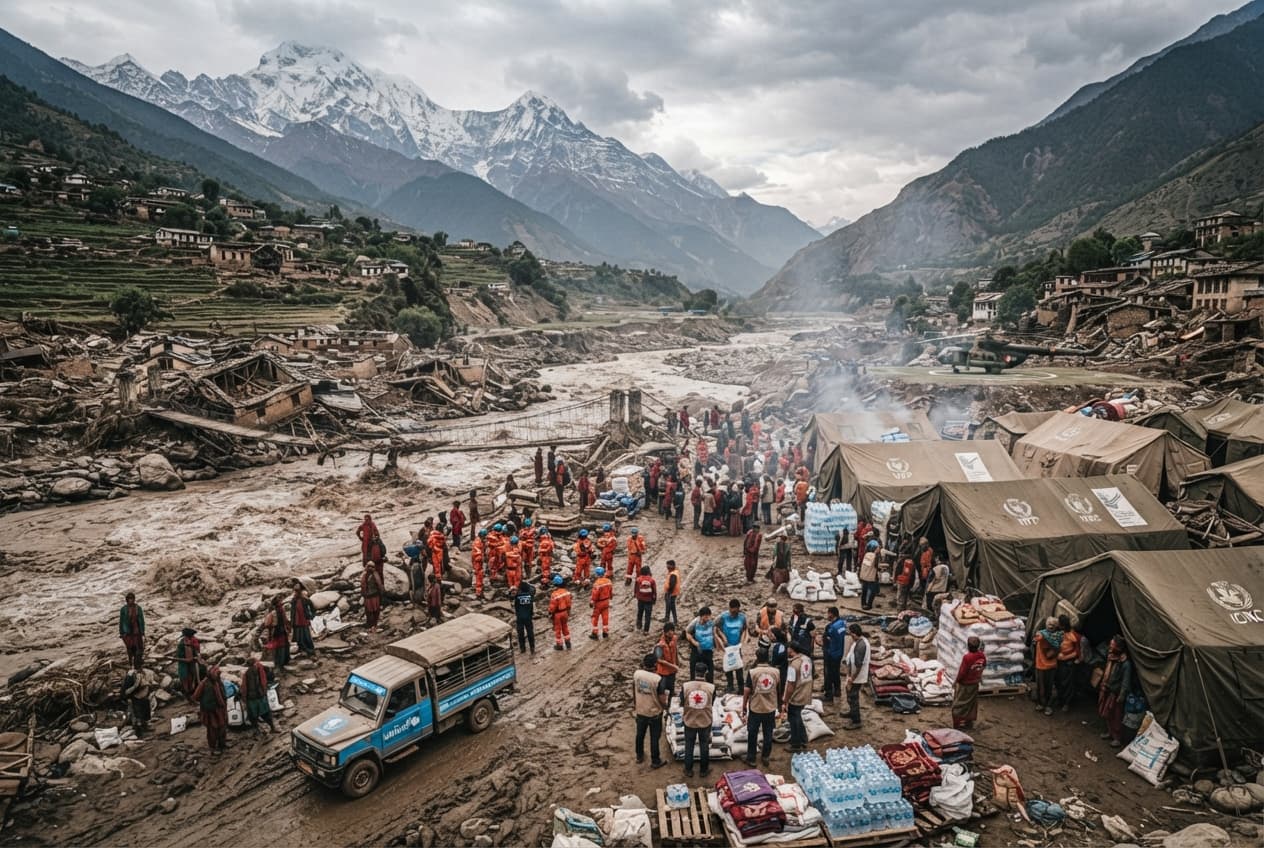
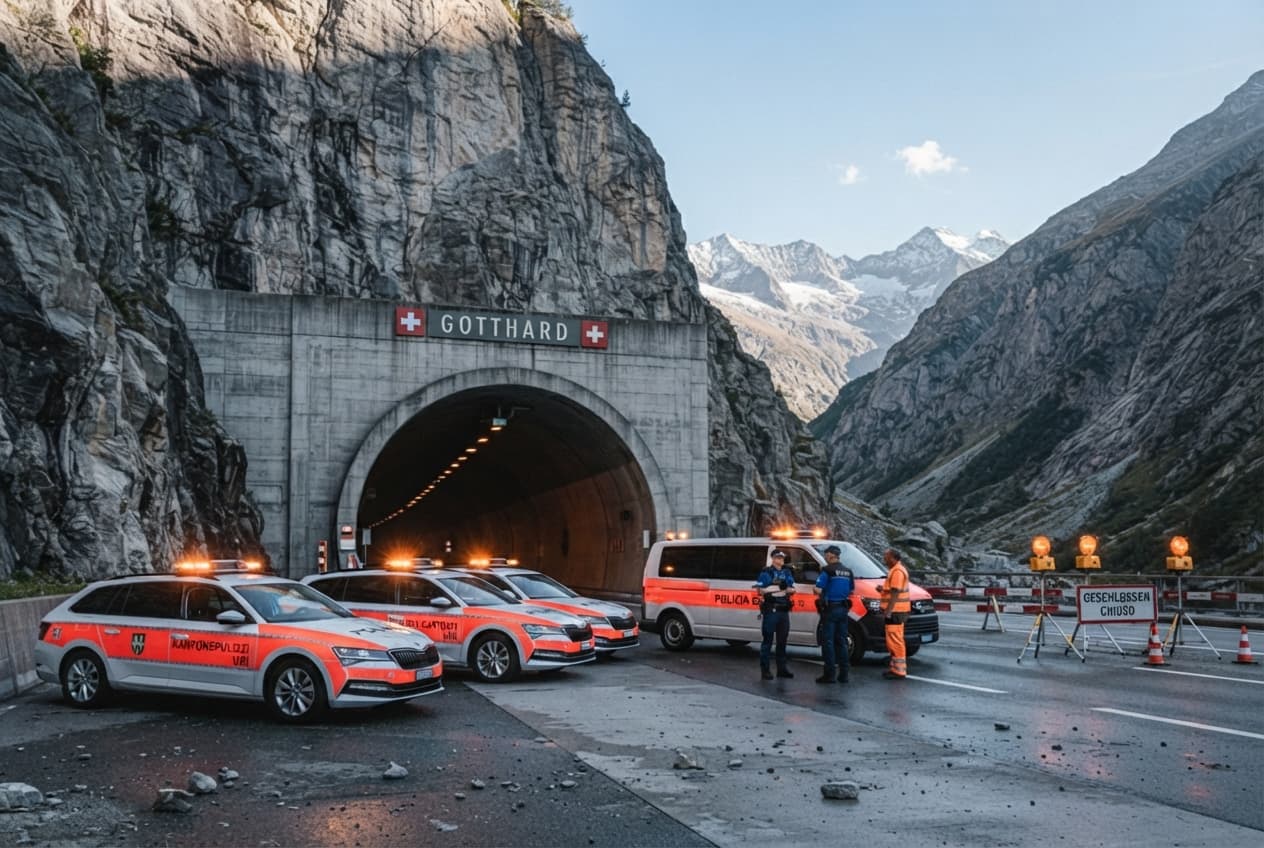
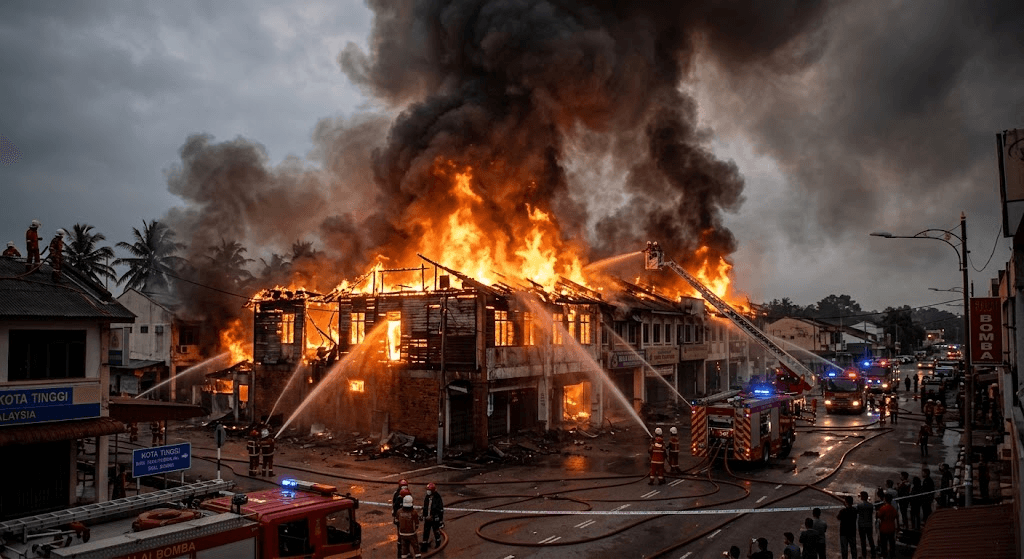
AI Image Disclaimer Illustrations were created using AI tools and are intended as conceptual representations, not real photographs.
Sources Reuters Associated Press BBC News Al Jazeera The Guardian
نُشر بواسطة Banx Network. هذا المقال جزء من برنامج الوسائط اللامركزية من Banx، مدعومًا برمز BXE على شبكة XRP Ledger.