In the soft hush of an early Bay of Plenty morning, where the horizon meets the restless blue of the Pacific, the distant silhouette of Whakaari/White Island can take on an almost timeless stillness. From afar it seems an ordinary vestige of volcanic land in Aotearoa’s seascape—yet beneath that quiet beauty lies a restless heart, capable of reminding those who live nearby that the earth is both cradle and crucible.
This week, the quiet was disrupted not by a sudden explosion, but by the drifting threads of ash that rose from the island’s steaming vents and began to weave through the air over the Bay of Plenty. In the skies above Tauranga and its surroundings, what seemed like invisible currents of fine dust became something that grounded routine journeys and paused the everyday movement of people and planes alike.
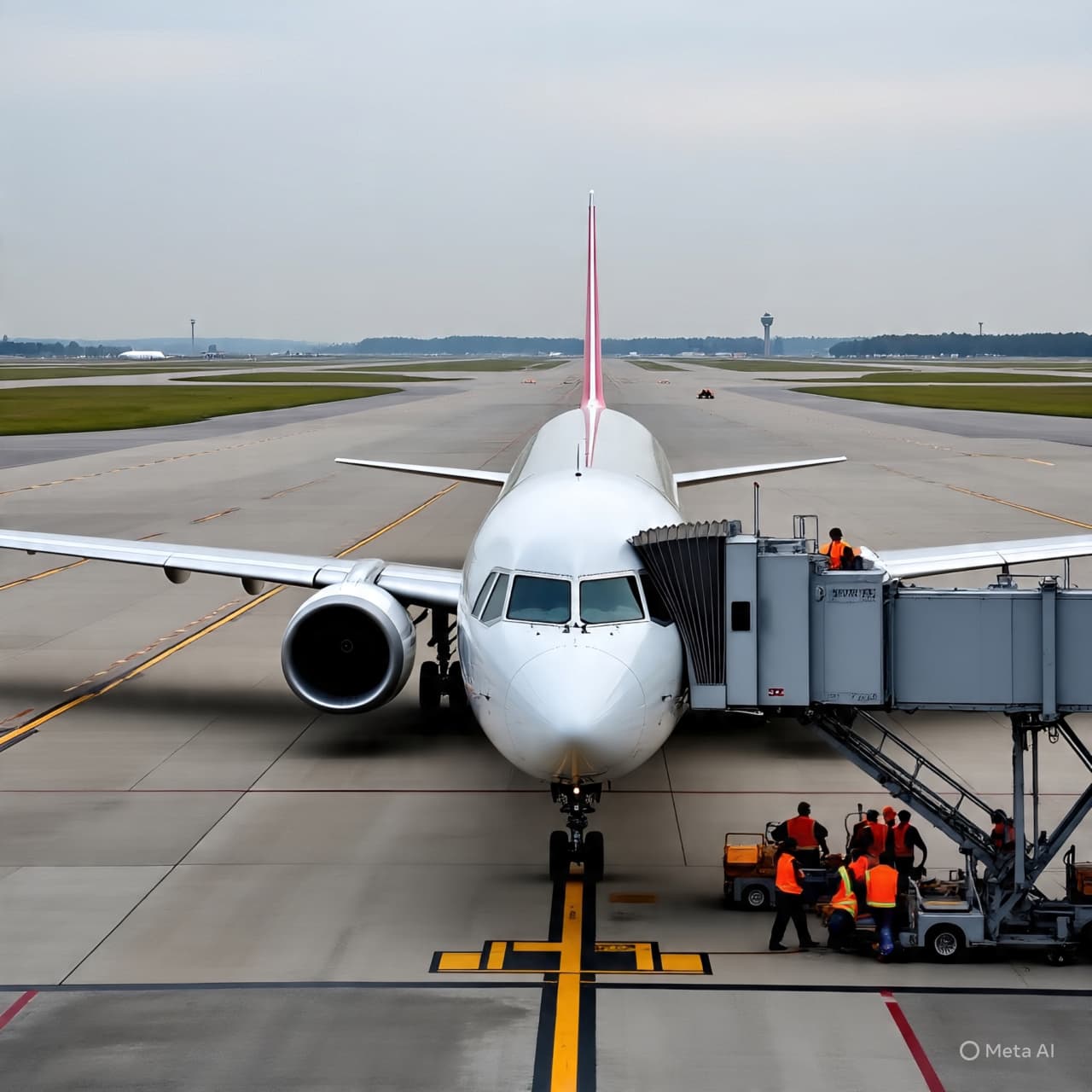
For travellers expecting to take to the skies this Thursday, plans were interrupted as Air New Zealand cancelled 19 flights in and out of Tauranga Airport. The airline said the ash cloud from Whakaari/White Island had moved into the general flight paths, prompting a reassessment of conditions. Safety—of aircraft engines, of passengers, and of crew—became the quiet reason for stillness on the tarmac. Affected customers were offered rebooking on the next available services, and airline officials said they would review conditions again later in the day.
Whakaari/White Island’s own temperament has oscillated between steam and gas to bursts of ash in recent months, its volcanic alert level being monitored closely by GeoNet and similar authorities. While the island has long held its place as one of New Zealand’s most notable volcanoes, the simple presence of ash reaching into the airspace serves as a reminder of the interconnectedness of geology and human activity. What might seem like a remote plume over water can, given wind and weather, influence life well beyond the island’s immediate shores.
From the perspective of an airport runway, the ash cannot be seen in the same way a bird or a cloud can; it is detected more by its effect on judgements about flight conditions than by any dramatic plume spiralling into the sky. Even so, its presence is enough to divert the measured choreography of arrivals and departures, grounding metal birds that were set to carry people north, south, or beyond.
For regional travellers, the change in plan is more than a minor detail in a timetable. It is a pause—an unexpected moment of stillness in a journey once set in motion. And although airline officials have emphasized that flights will resume as soon as safety criteria are met, the interruption brings into focus just how attuned modern life has become to forces older than any airport terminal or flight schedule.
This is not the first time ash has affected flights in the Bay of Plenty region. In recent months, similar disruptions have occurred, reflecting a pattern of volcanic unrest that is as unpredictable as it is benign in most moments. Even when the plumes carry only minor ash, aviation protocols are designed to err on the side of caution, prioritizing the integrity of aircraft and the welfare of those aboard.
Today’s cancellations have been confined to flights serving Tauranga, with other regional services assessed individually as conditions evolve. Air New Zealand said it will continue to monitor the situation closely, with updates to customers via its app and flight information systems.
AI Image Disclaimer: Illustrations were created using AI tools and are not real photographs.
Source Check: Credible coverage exists.
Sources: RNZ, 1News, New Zealand Herald, Otago Daily Times, SunLive
Published by Banx Network. This article is part of the Banx decentralized media programme, powered by the BXE token on the XRP Ledger.