
Key Highlights
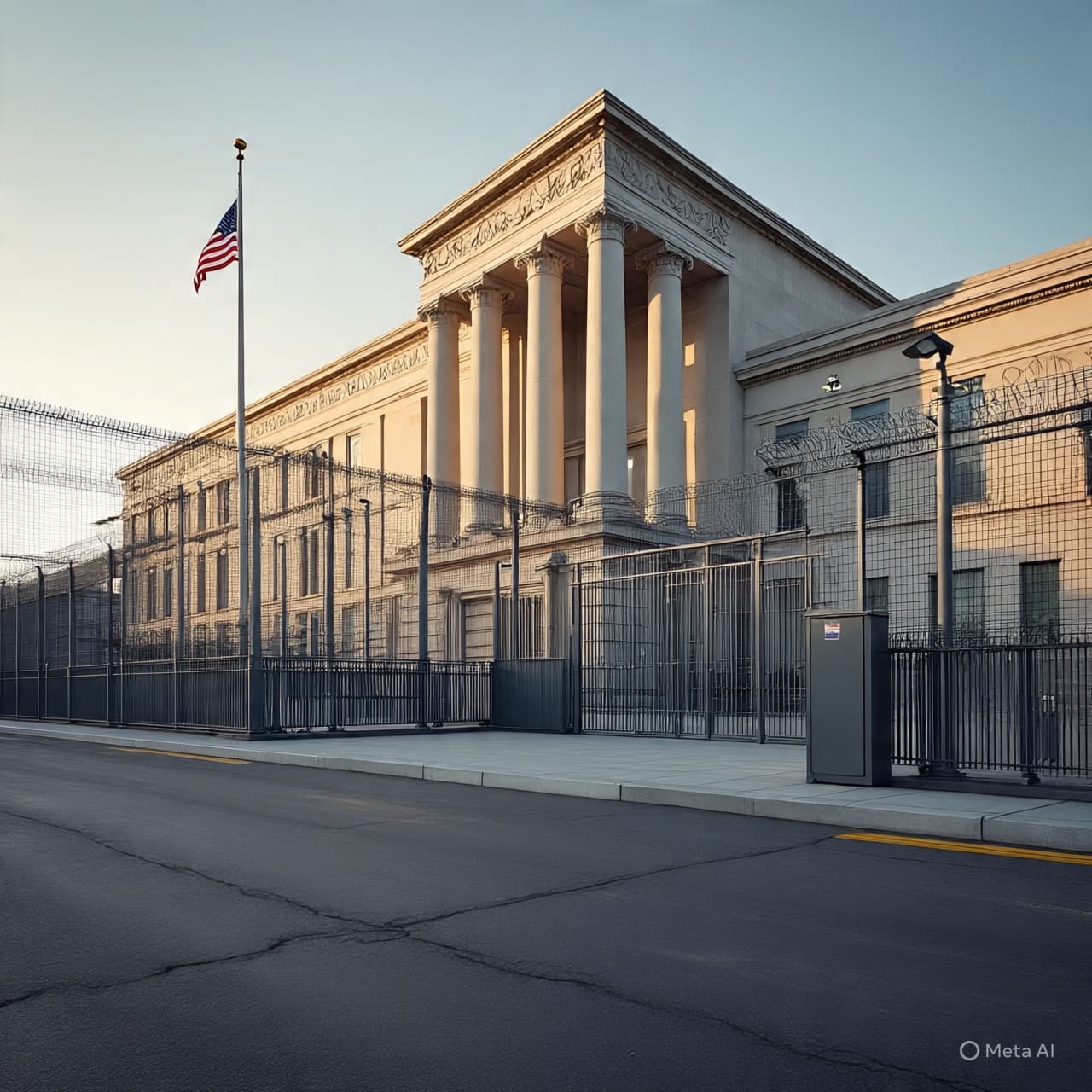
- Recent embassy closures in the U.S. due to security concerns.
- Israeli military incursions into Lebanon heighten regional tensions.
- Ongoing evaluations of security protocols and diplomatic responses.
Recent developments in international security have underscored the intricate relationship between diplomatic decisions and regional conflicts. The United States has temporarily closed several embassies in response to security threats linked to reported drone attacks. This precautionary measure reflects a broader trend in which security assessments rapidly influence diplomatic operations across the globe.
The closures, which are typically enacted to protect diplomatic personnel, highlight the need for coordination between security agencies and host nations. As intelligence evolves, so too do the responses of embassies, which may shift operations online or relocate staff to ensure safety. The rapid pace of these changes illustrates how modern security environments can shift dramatically, often in response to events occurring thousands of miles away.
In parallel, the situation in Lebanon has escalated following an Israeli incursion, adding another layer of complexity to an already volatile regional landscape. Cross-border operations between Israel and Lebanon are not new, but the frequency and intensity of these actions can provoke significant diplomatic fallout. Military statements often emphasize security objectives, while diplomatic channels work to mitigate escalation and maintain stability in the region.
The temporary suspension of embassy operations does not signify a complete withdrawal from diplomatic engagement. Instead, it reflects established contingency planning designed to maintain institutional continuity while prioritizing personnel safety. Citizens abroad are typically advised to stay informed through official channels, ensuring they are aware of any changes in service or operations.
As military movements along the Israel-Lebanon border continue, the potential for reciprocal actions and heightened tensions remains. International actors frequently call for restraint and emphasize the importance of diplomatic engagement, even amid active security developments. The interconnectedness of these events illustrates how a single incident can reverberate across multiple nations, influencing political calculations and security protocols in various capitals.
Officials have indicated that the closures will be reassessed as conditions evolve, demonstrating a commitment to adapting security measures in real-time. Similarly, military developments in the region are subject to ongoing scrutiny by both regional and international stakeholders. The situation remains fluid, with diplomatic statements and security evaluations unfolding in tandem.
In a broader context, these recent announcements reflect a period of heightened sensitivity in international relations. Decisions made in Washington, military actions in Lebanon, and security evaluations at diplomatic posts are all part of a dynamic environment shaped by rapid technological advancements and longstanding geopolitical tensions. As authorities navigate these complexities, the focus remains on ensuring safety, evaluating risks, and maintaining open lines of communication.
The temporary closures and military incursions serve as critical markers of a region in flux. The future trajectory of these developments will depend on political decisions, military restraint, and the pace of diplomatic engagement in the coming days.
Published by Banx Network. This article is part of the Banx decentralized media programme, powered by the BXE token on the XRP Ledger.



