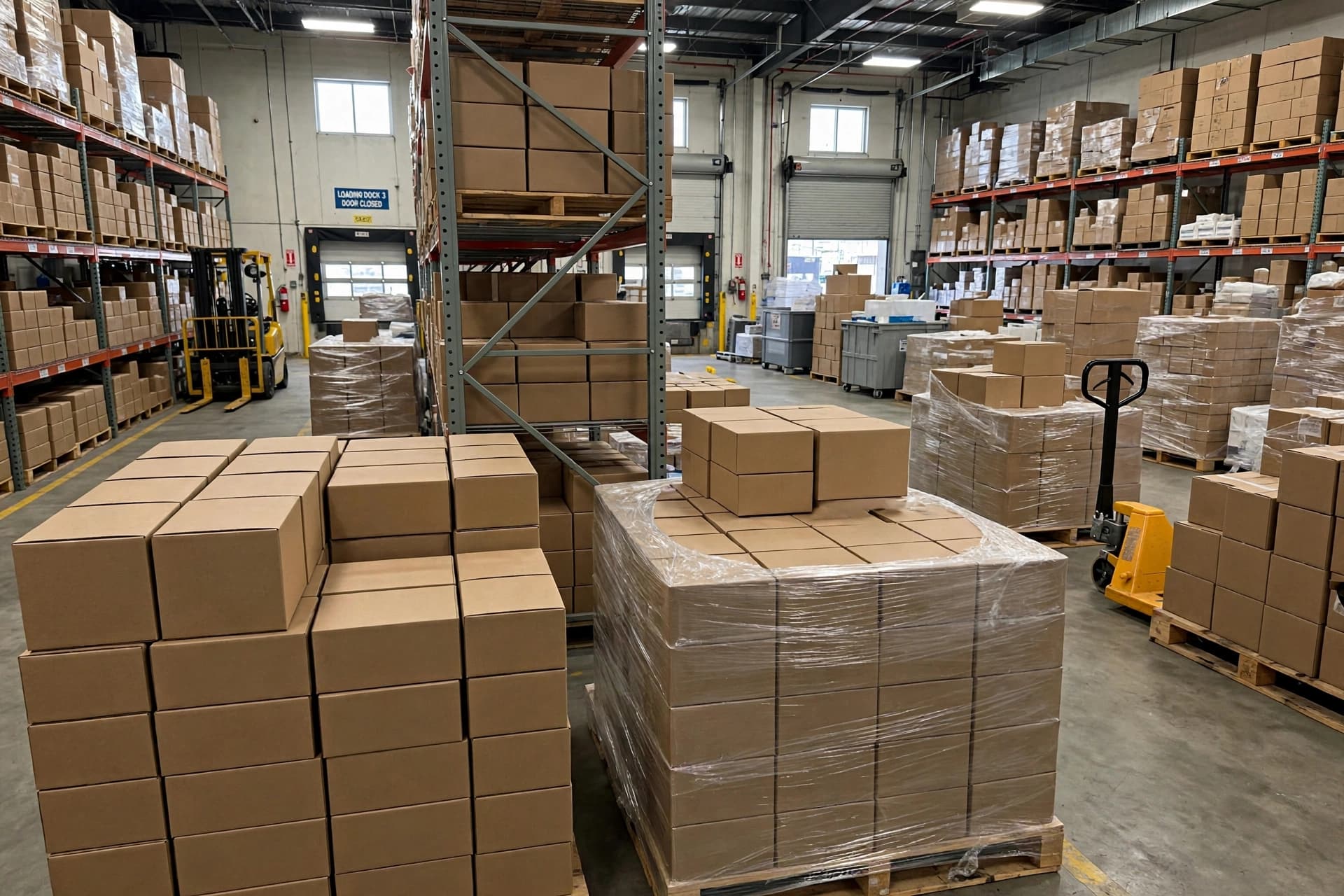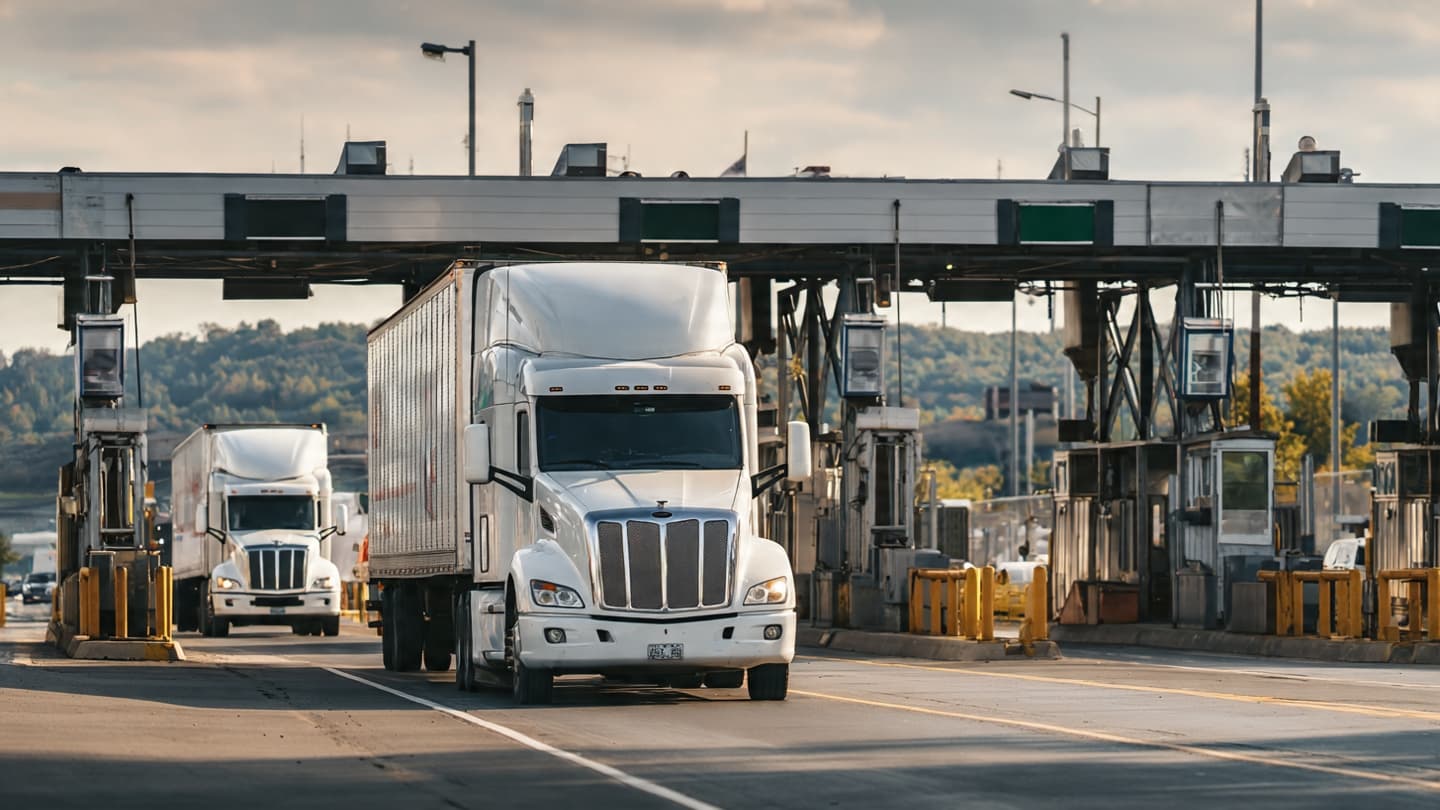
Along the northern edge of North America, commerce has always had a rhythm of its own. Trucks move between warehouses, trains carry materials across long distances, and goods pass through customs before continuing toward factories, stores and consumers. The border is visible on maps, but in economic life it often feels less like a dividing line than a continuous road.
On Saturday, that familiar rhythm changed for a portion of Canadian exports. The United States imposed 50% tariffs on some Canadian goods after the two countries failed to reach a trade agreement following several days of negotiations. Reuters reported that the tariffs apply to roughly $20 billion of Canadian goods.
The affected trade is only a part of the enormous commercial relationship between the two countries. Yet individual industries can feel a tariff much more intensely than national totals suggest. A manufacturer that depends on a particular Canadian component, for example, may face a new cost even if the overall value of bilateral trade remains largely unchanged.
The new measures followed several days in which expectations moved back and forth. Earlier negotiations had produced signs that an agreement might be close. Canadian officials had described the two sides as nearing a deal, while the United States temporarily paused the planned tariffs as discussions continued. That pause ultimately ended without an agreement.
For businesses, the uncertainty can be as significant as the tariff itself. Companies plan purchases and production schedules weeks or months ahead. A change in duties can alter the cost of imported materials, affect inventory decisions and encourage companies to examine alternative suppliers. None of those adjustments happens instantly; they move gradually through contracts, warehouses and transportation networks.
The 50% figure also requires some context. Reuters reported that the tariffs cover about $20 billion of Canadian goods, representing a relatively small portion of total bilateral trade. The measure is therefore substantial for the products directly affected, but it does not encompass the entirety of the economic relationship between the neighboring countries.
Canada has indicated that it will respond with tariffs of its own, creating another layer in the commercial landscape. When duties move in both directions, the consequences can travel through supply chains more than once. A product may contain components that cross the border before returning as part of a finished good, making the final cost more difficult to calculate.
The story is consequently not only about customs gates or government announcements. It is also about the ordinary movement of goods through an integrated continental economy. A shipment that once moved according to a familiar calculation now carries an additional question: what will it cost when it arrives on the other side?
For now, the immediate outcome is clear. The United States has placed 50% tariffs on the specified Canadian goods, while Canada has prepared a retaliatory response. Businesses on both sides are adjusting their calculations as the wider trade relationship continues to develop.
AI Image Disclaimer The accompanying illustrations were created with AI tools for conceptual purposes and should not be interpreted as real photographs.
Sources Reuters
Published by Banx Network. This article is part of the Banx decentralized media programme, powered by the BXE token on the XRP Ledger.