On paper, the economy hums. Lines on charts slope upward, percentages inch higher, and quarterly reports speak in the confident language of expansion. From a distance, it can look like a sunrise—steady, warming, full of promise. Yet at street level, beneath office towers and across warehouse districts, the mood feels more complicated. Growth, it seems, has arrived without the familiar echo of new footsteps in the hall.
Recent data show that the U.S. economy continues to expand, with gross domestic product rising at a pace that suggests resilience in consumer spending and business investment. Inflation, while still monitored closely, has cooled from its earlier peaks. Corporate earnings in several sectors remain firm. By traditional measures, this is what recovery and momentum are supposed to look like.
And yet, hiring has not matched the brightness of those figures. Job creation has slowed compared to earlier surges, and in some industries employers are trimming rather than adding. The unemployment rate remains relatively low by historical standards, but the monthly gains in payrolls have become more modest. For workers scanning listings or waiting on callbacks, the distance between macroeconomic strength and personal opportunity can feel wide.
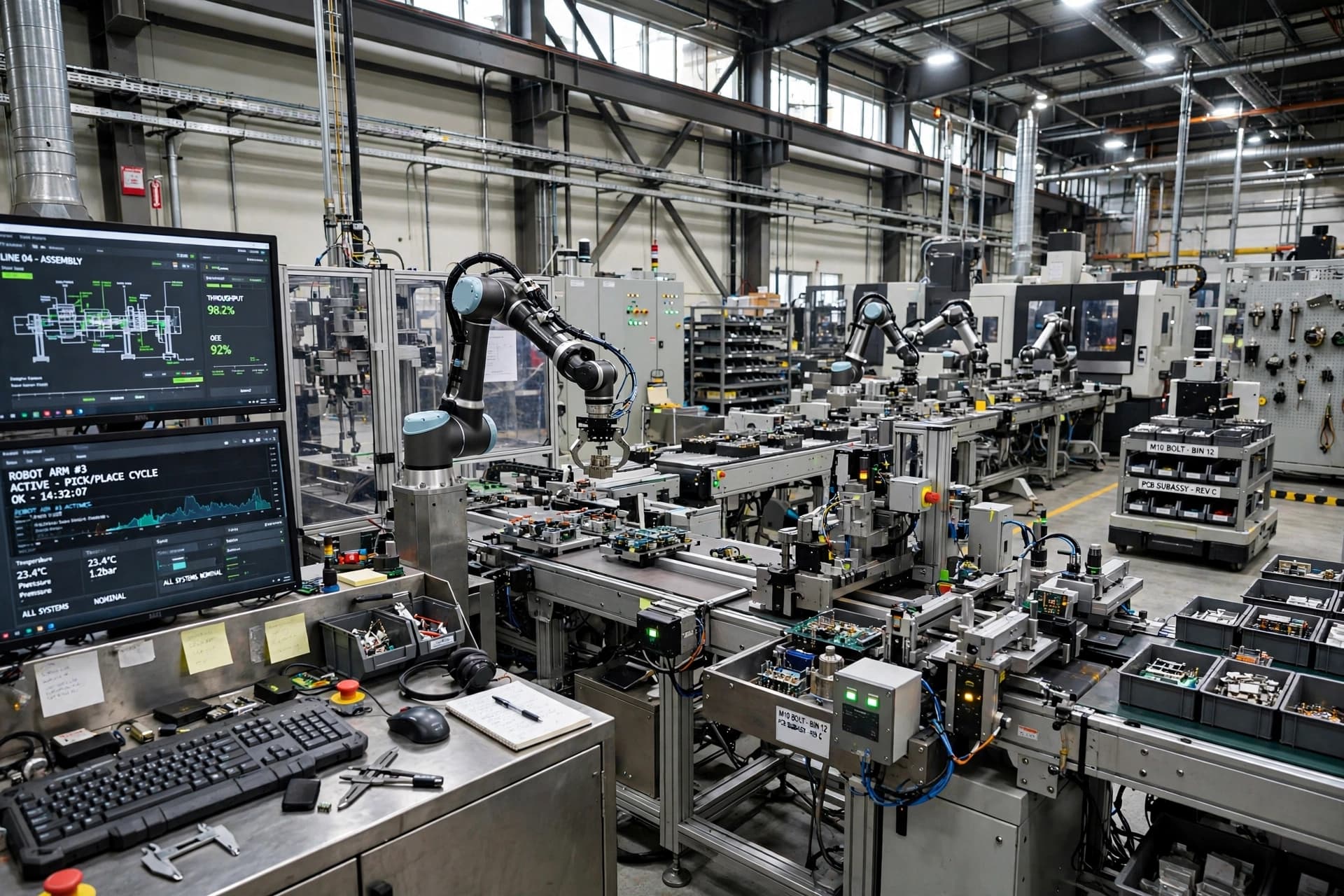
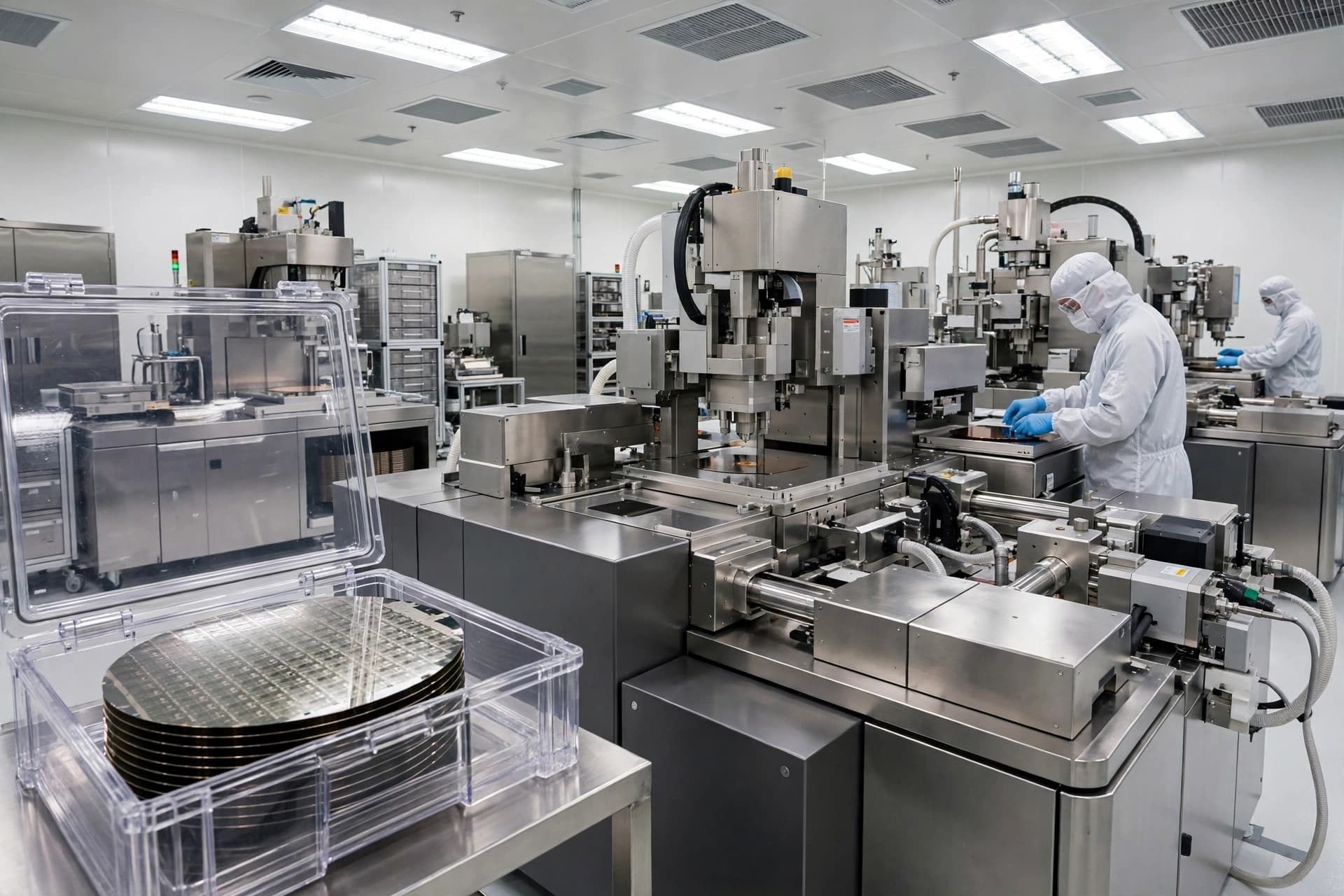
Part of the explanation lies in productivity. Companies, having invested heavily in automation and digital systems during and after the pandemic years, are finding ways to produce more without proportionally expanding headcount. Technology—from logistics software to artificial intelligence tools—has allowed certain sectors to scale output while holding labor steady. Efficiency, once an aspiration, has become embedded practice.
Another factor is caution. After periods of rapid hiring in 2021 and 2022, many firms are reassessing staffing levels. Higher interest rates, even as they begin to ease, have raised borrowing costs and encouraged executives to protect margins. In industries such as technology, finance, and media, rounds of layoffs have offset gains elsewhere. Health care and government roles continue to add positions, but manufacturing and white-collar corporate sectors show uneven demand.
There is also the quiet shift in the nature of work itself. Some growth is concentrated in part-time roles or contract positions rather than full-time employment with benefits. Labor force participation has edged upward in some demographics while remaining subdued in others. The surface of the labor market can appear calm, yet beneath it currents move in different directions.
Economists note that economic growth does not always translate immediately into hiring. Businesses often wait to see whether demand is durable before committing to new payroll expenses. Productivity gains can delay the need for additional staff. And in a service-driven economy, growth in high-revenue sectors may not require large numbers of new workers.
For households, however, such explanations offer limited comfort. The promise of expansion feels incomplete if it does not translate into wider opportunity. A growing economy without broad hiring can create a sense of standing still while the horizon moves forward.
In clear terms, the U.S. economy continues to expand, but job growth has slowed due to productivity gains, cautious corporate hiring, and uneven sector performance, leaving many workers questioning where the benefits of growth are landing.
AI Image Disclaimer
Illustrations were generated using AI tools and are intended as conceptual visuals rather than real-world photography.
Source Check (Media Names Only)
Reuters The Wall Street Journal Bloomberg CNBC The New York Times
Published by Banx Network. This article is part of the Banx decentralized media programme, powered by the BXE token on the XRP Ledger.