
Key Highlights
- Transformation:American manufacturing is undergoing significant changes driven by technology and investment.
- Automation:Factories are increasingly adopting automation to enhance efficiency and productivity.
- Skilled Workforce:The growth of advanced manufacturing is creating new opportunities for skilled workers.
[The Transformation of American Manufacturing]
Across the industrial heartlands of the United States, manufacturing is entering a transformative era. Companies are adapting to evolving economic conditions by embracing technology and making strategic investments. This shift is not merely a response to market pressures; it represents a fundamental change in how manufacturing operates in the 21st century.
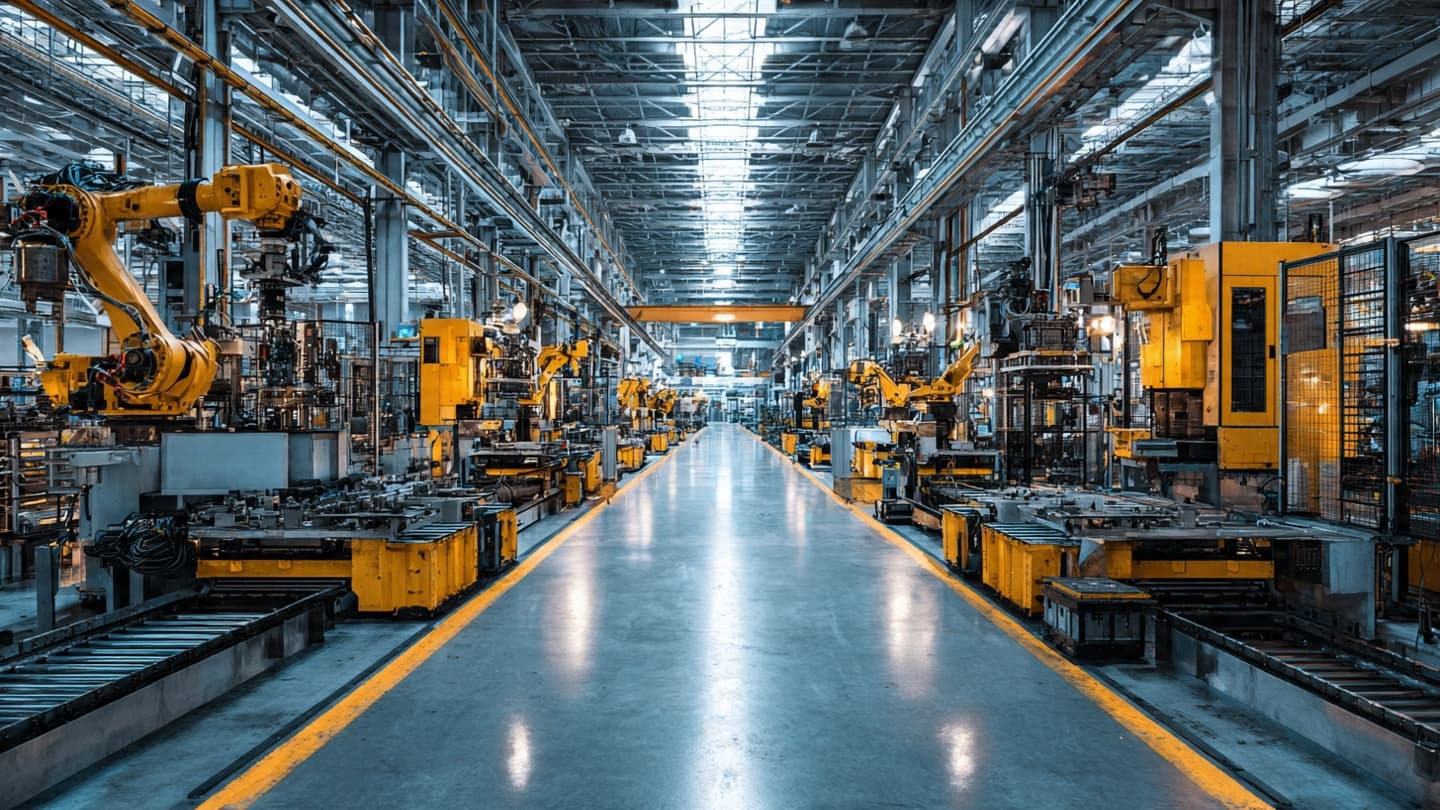
Factories are increasingly utilizing automation and advanced equipment to improve efficiency. The integration of digital systems has become essential for managing modern production processes. These technologies allow manufacturers to streamline operations, reduce waste, and enhance overall productivity. As a result, businesses are better positioned to compete in a global marketplace that demands agility and innovation.
In addition to technological advancements, manufacturers are strengthening their supply networks to mitigate operational risks. Reliable access to materials and components is a critical business priority, especially in light of recent disruptions caused by global events. Companies are re-evaluating their supply chains, seeking local suppliers and diversifying their sources to ensure stability and resilience.
The growth of advanced manufacturing is also creating new opportunities for skilled workers and technology providers. Industries are actively searching for innovative ways to combine human expertise with cutting-edge technology. This collaboration is essential for driving productivity and fostering a culture of continuous improvement within manufacturing environments.
Energy efficiency has emerged as a crucial consideration for manufacturers. Companies are exploring various methods to reduce costs while simultaneously improving production performance. Investments in energy-efficient technologies not only lower operational expenses but also contribute to sustainability goals, aligning with the increasing demand for environmentally responsible practices.
Investment in domestic manufacturing continues to influence regional economies significantly. New facilities and modernization projects are supporting industrial development, creating jobs, and revitalizing communities. As manufacturers invest in their operations, they are also contributing to the broader economic landscape, fostering growth and stability in the regions they serve.
Despite the challenges posed by global competition and economic uncertainty, American manufacturers remain committed to pursuing growth. Adaptability has become essential, as companies must respond swiftly to changing market conditions and consumer demands. The future of manufacturing will depend on innovation, workforce development, and the ability to navigate an increasingly complex global landscape.
Published by Banx Network. This article is part of the Banx decentralized media programme, powered by the BXE token on the XRP Ledger.



