Inside factories, change is rarely dramatic from one morning to the next. Machines continue their measured movements, workers follow familiar routines, and orders travel quietly between warehouses and production floors. Yet sometimes the numbers begin to reveal a change in that rhythm. July brought such a signal for American manufacturing.
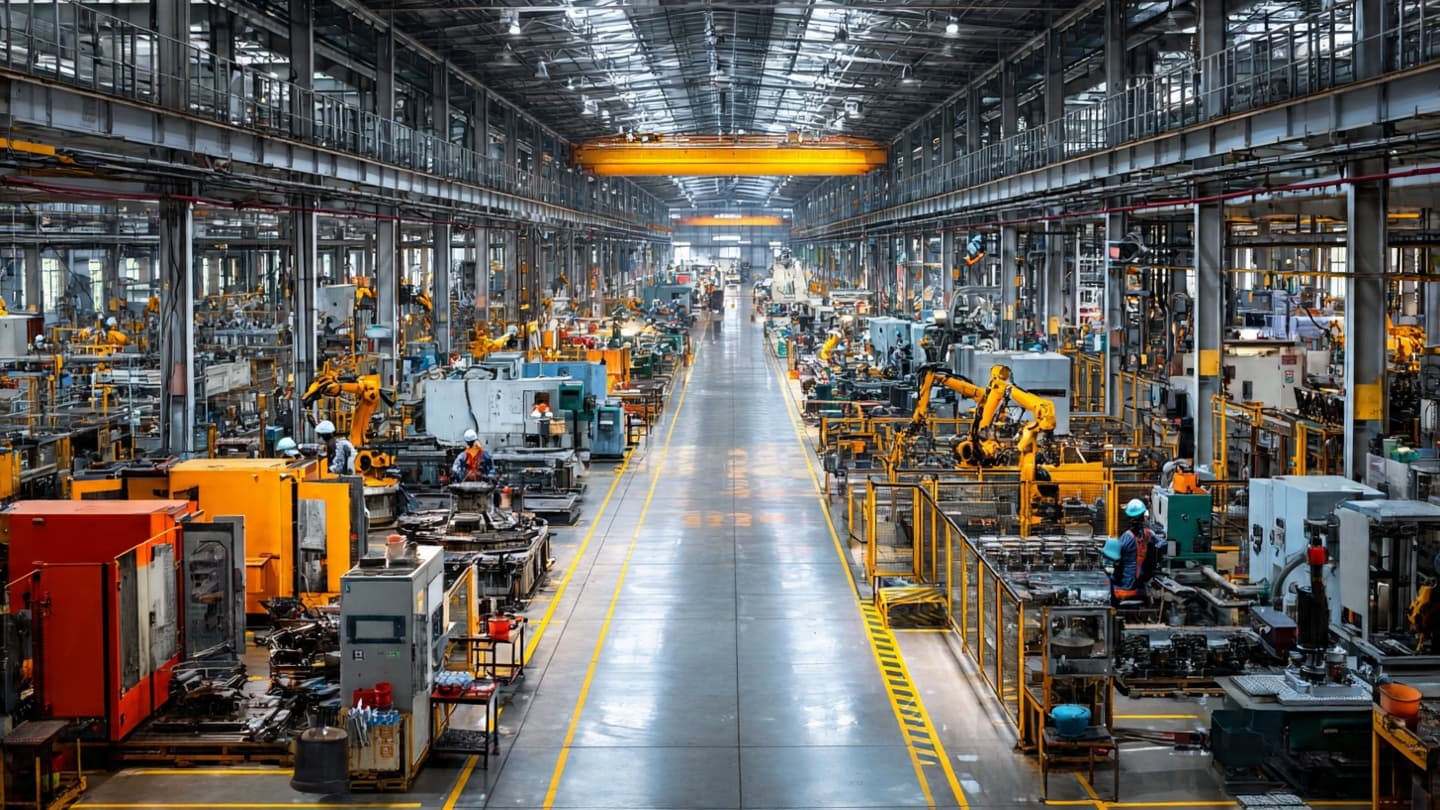
U.S. manufacturing activity expanded at its fastest pace in more than four years in July, according to data reported by Reuters. The improvement was supported by stronger new orders and a broader pickup in factory activity.
The development offered a different view of the American economy after several months in which parts of the industrial sector had struggled to maintain momentum. The manufacturing landscape has been shaped by changing demand, inventory decisions, production costs, and shifting expectations among businesses.
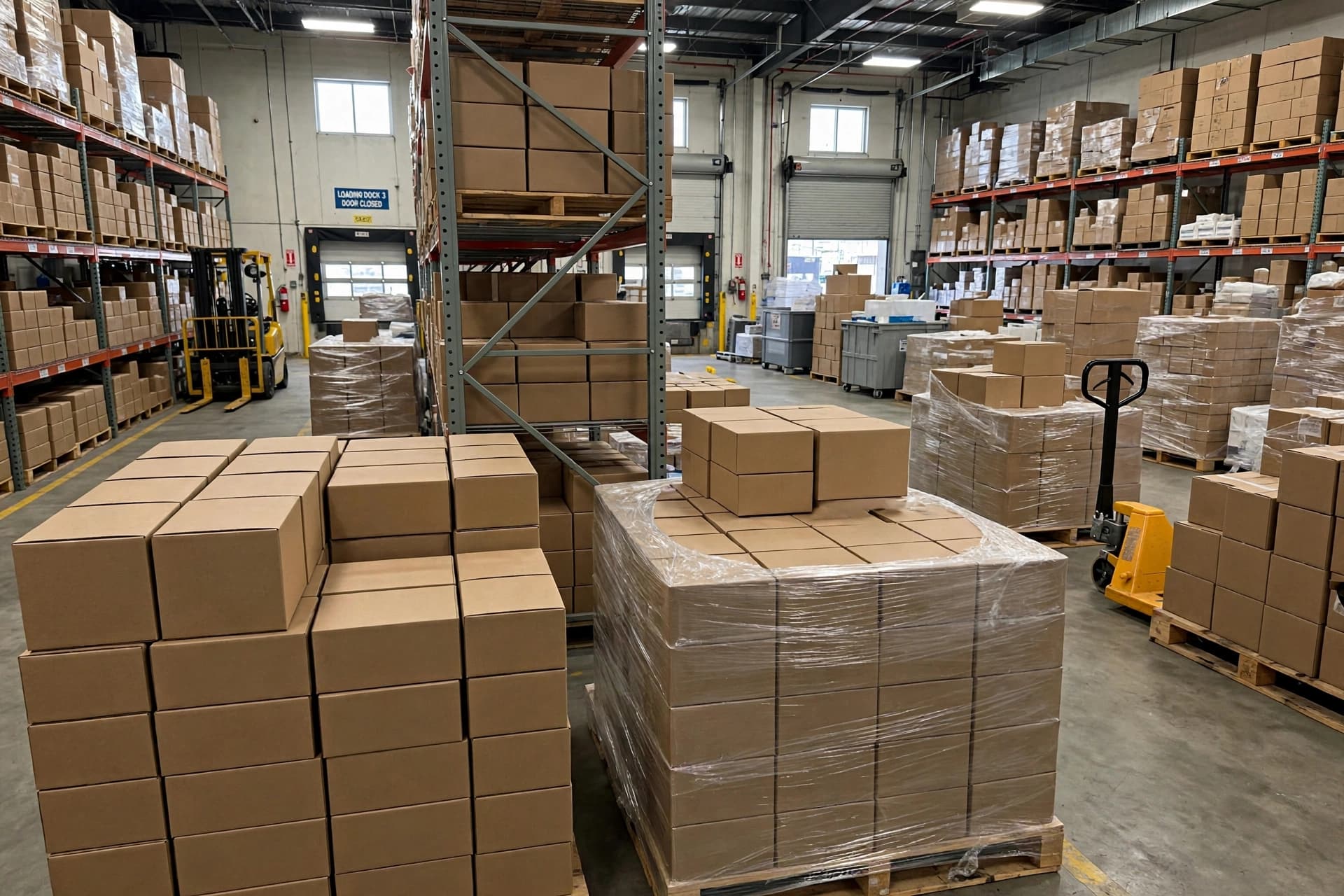
New orders became an important part of the July improvement. When companies receive more orders, the effect can travel gradually through the industrial system, from suppliers to manufacturers, transportation companies, warehouses, and eventually the wider network of businesses connected to production.
The July figures also suggested that factories were operating in an environment where demand was becoming more supportive. That does not mean every manufacturer is experiencing the same conditions, but the overall direction provided a stronger reading for an industry that has faced periods of uneven activity.
American manufacturing remains closely connected to global supply chains. Components can cross borders several times before reaching a final production line, while finished goods may eventually travel thousands of miles to consumers. A change in factory activity can therefore carry implications far beyond the walls of a single plant.
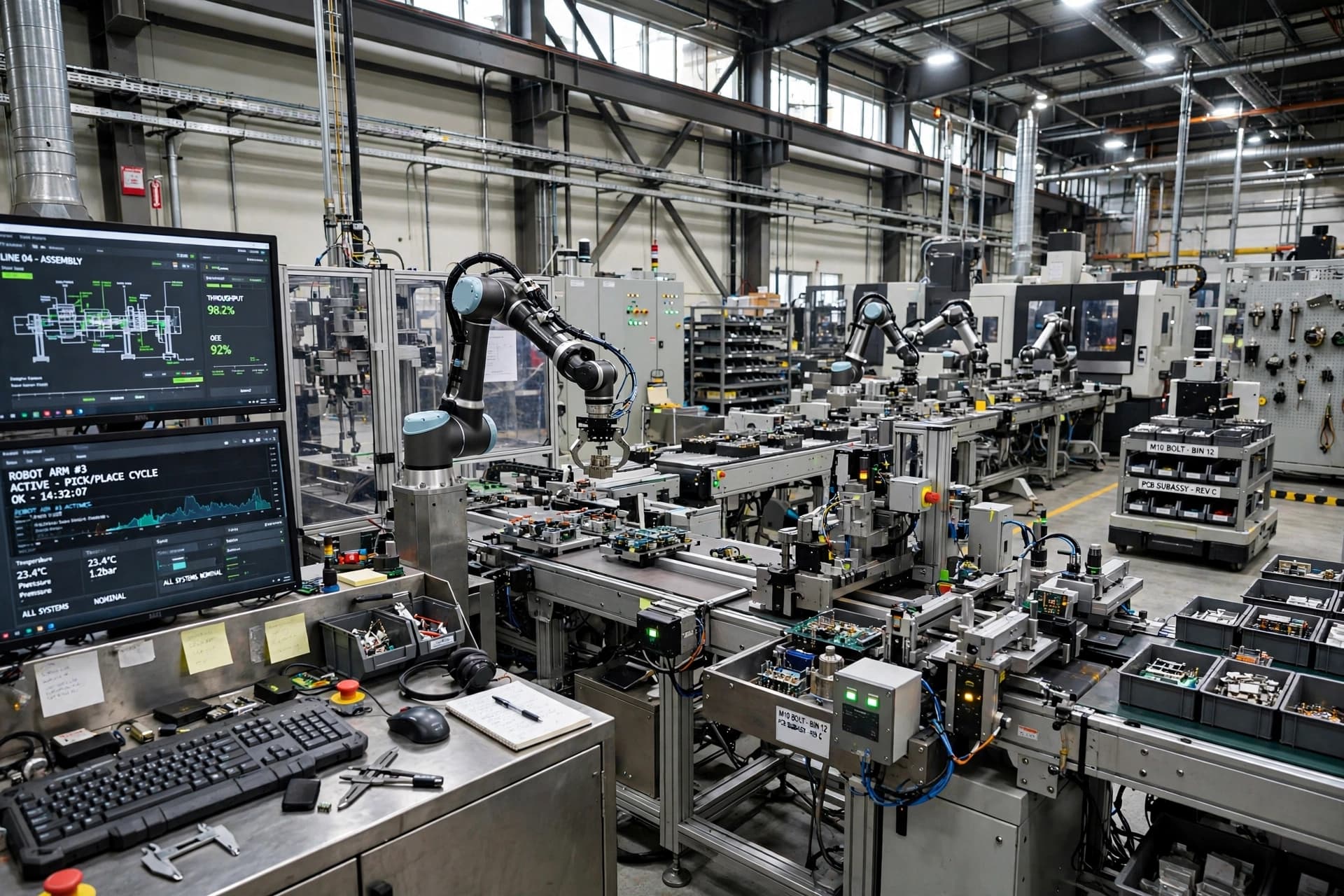
Technology is also changing the character of modern manufacturing. Automation, advanced machinery, artificial intelligence, and more sophisticated production systems are gradually becoming part of industrial operations. These developments can allow manufacturers to increase output while using resources more efficiently.
For workers and businesses, stronger factory activity can bring a different atmosphere to industrial regions. Production schedules become busier, suppliers receive additional demand, and transportation networks begin to carry greater volumes of materials and goods.
July's data do not erase the uncertainties surrounding American industry, but they provide a clear indication that manufacturing entered the second half of the year with stronger momentum. The coming months will show whether that improvement develops into a sustained industrial expansion or remains a temporary rise in the broader economic current.
AI Image Disclaimer: The visuals are AI-generated and intended solely as conceptual illustrations.
Sources Reuters Institute for Supply Management U.S. Census Bureau
Published by Banx Network. This article is part of the Banx decentralized media programme, powered by the BXE token on the XRP Ledger.