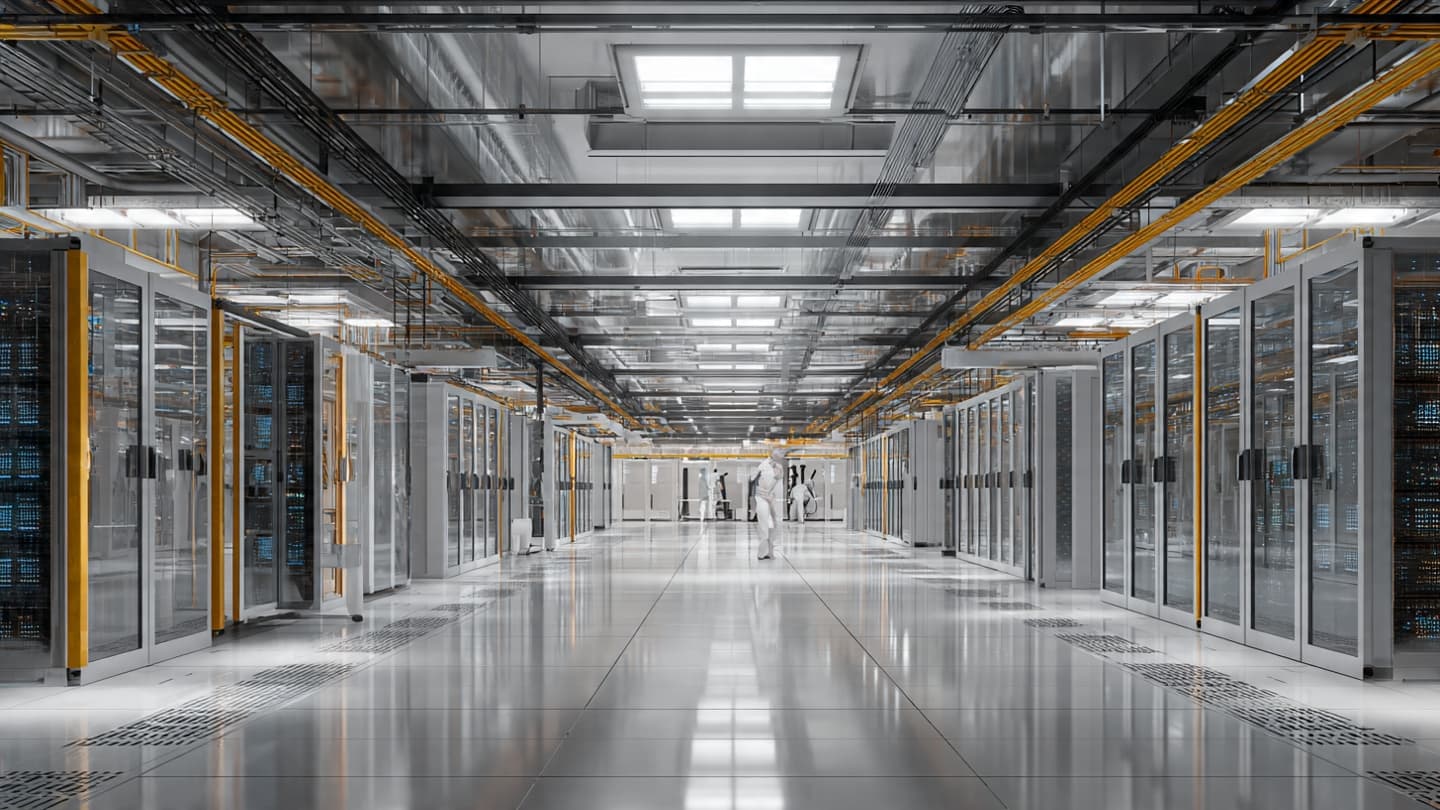
Some of the largest changes in the modern economy are taking place behind walls that most people never see. Inside data centers, rows of servers operate continuously, processing information and supporting digital services used across the world. Around them, another industrial ecosystem is expanding.
Artificial intelligence has become a major driver of investment in the United States, particularly through demand for data centers and advanced computing infrastructure. The expansion is influencing technology companies as well as construction, energy, manufacturing, and telecommunications businesses.
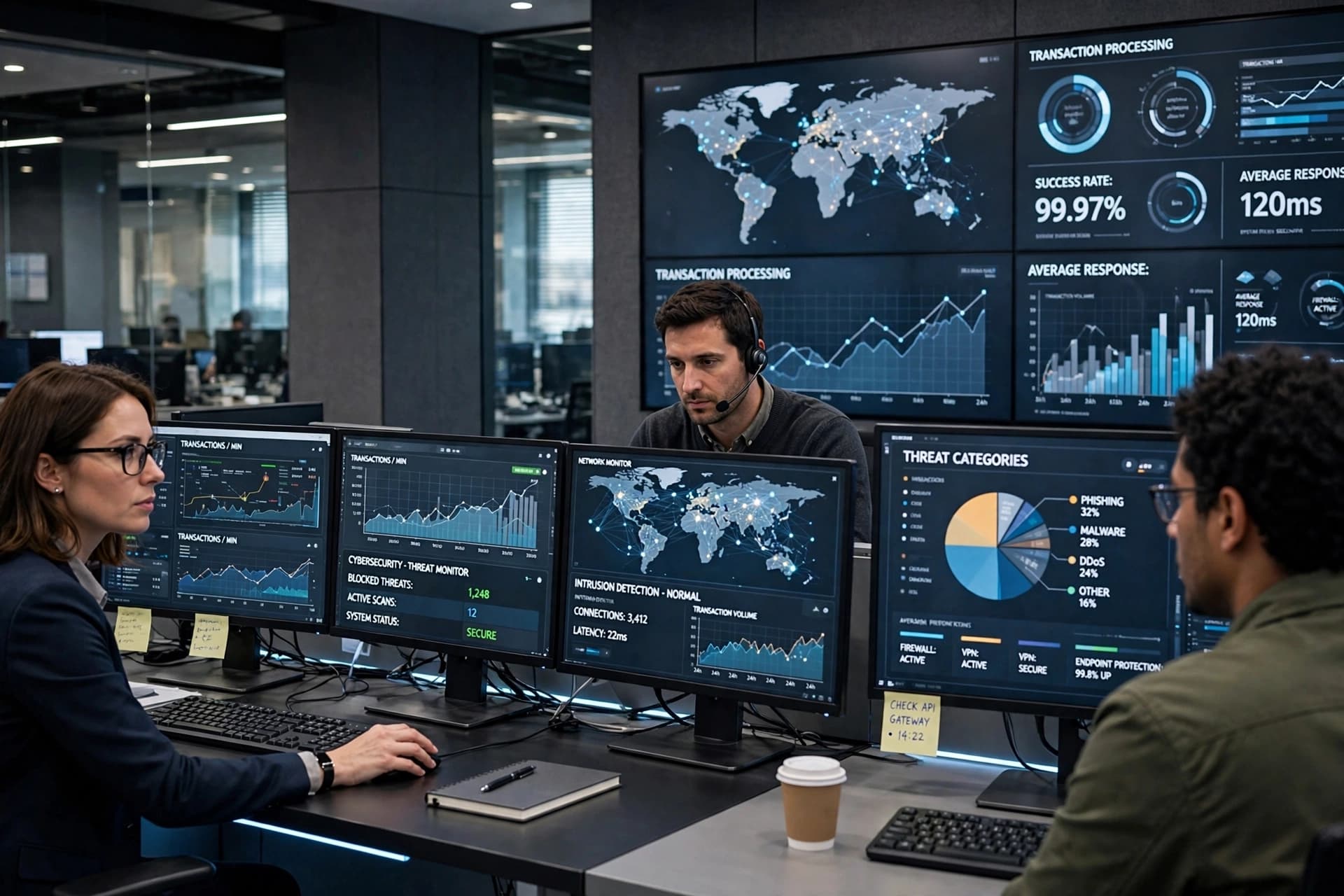
A modern AI data center requires more than computer servers. It needs electricity, cooling systems, networking equipment, specialized buildings, backup power, and extensive physical infrastructure. As demand grows, investment therefore spreads across multiple parts of the economy.
The scale of computing required by advanced AI systems has also increased attention on electricity supply. Data centers can consume significant amounts of power, making access to reliable energy an important consideration when companies decide where to build new facilities.
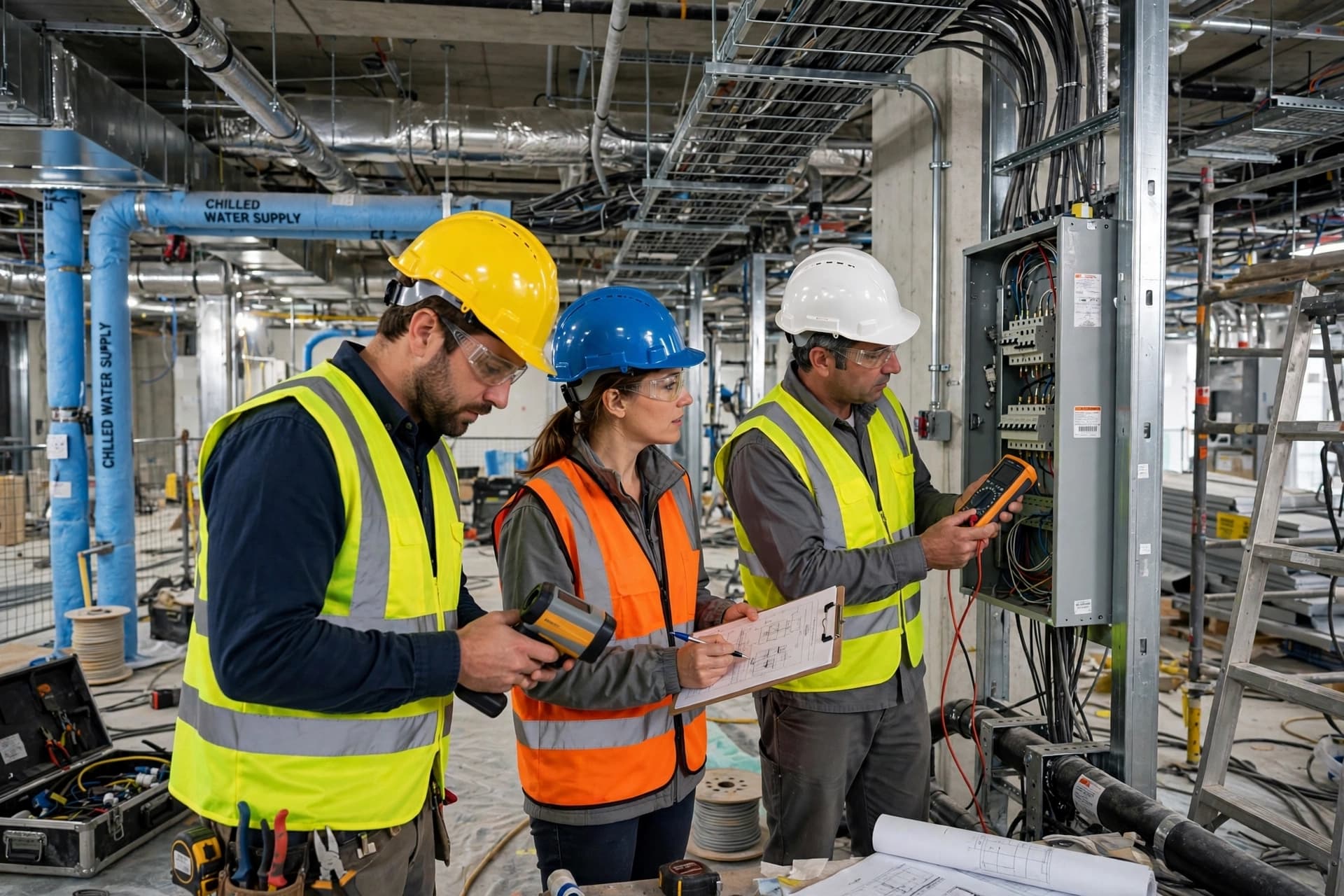
Construction has consequently become another part of the AI investment story. New data centers require land, engineering, construction workers, electrical systems, cooling technology, and equipment suppliers. What appears to be a digital industry therefore has a substantial physical footprint.
Manufacturers are also responding to the demand. Companies producing electrical components, networking equipment, cooling systems, power-management technology, and advanced computing hardware are becoming increasingly connected to the AI infrastructure cycle.
The investment is closely related to the broader rise in U.S. capital-goods orders. Businesses continue purchasing equipment that can increase computing capacity, improve productivity, or support new digital services.
Yet the expansion is occurring alongside questions about efficiency and long-term demand. Building large infrastructure projects requires substantial capital, and companies must assess how quickly AI services will develop and how much computing capacity future users will require.
For now, the direction remains unmistakable. AI is no longer simply a software story. It is increasingly a story about buildings, electricity, machines, networks, workers, and investment. Across the United States, that physical foundation is quietly taking shape, one data center and one infrastructure project at a time.
Published by Banx Network. This article is part of the Banx decentralized media programme, powered by the BXE token on the XRP Ledger.