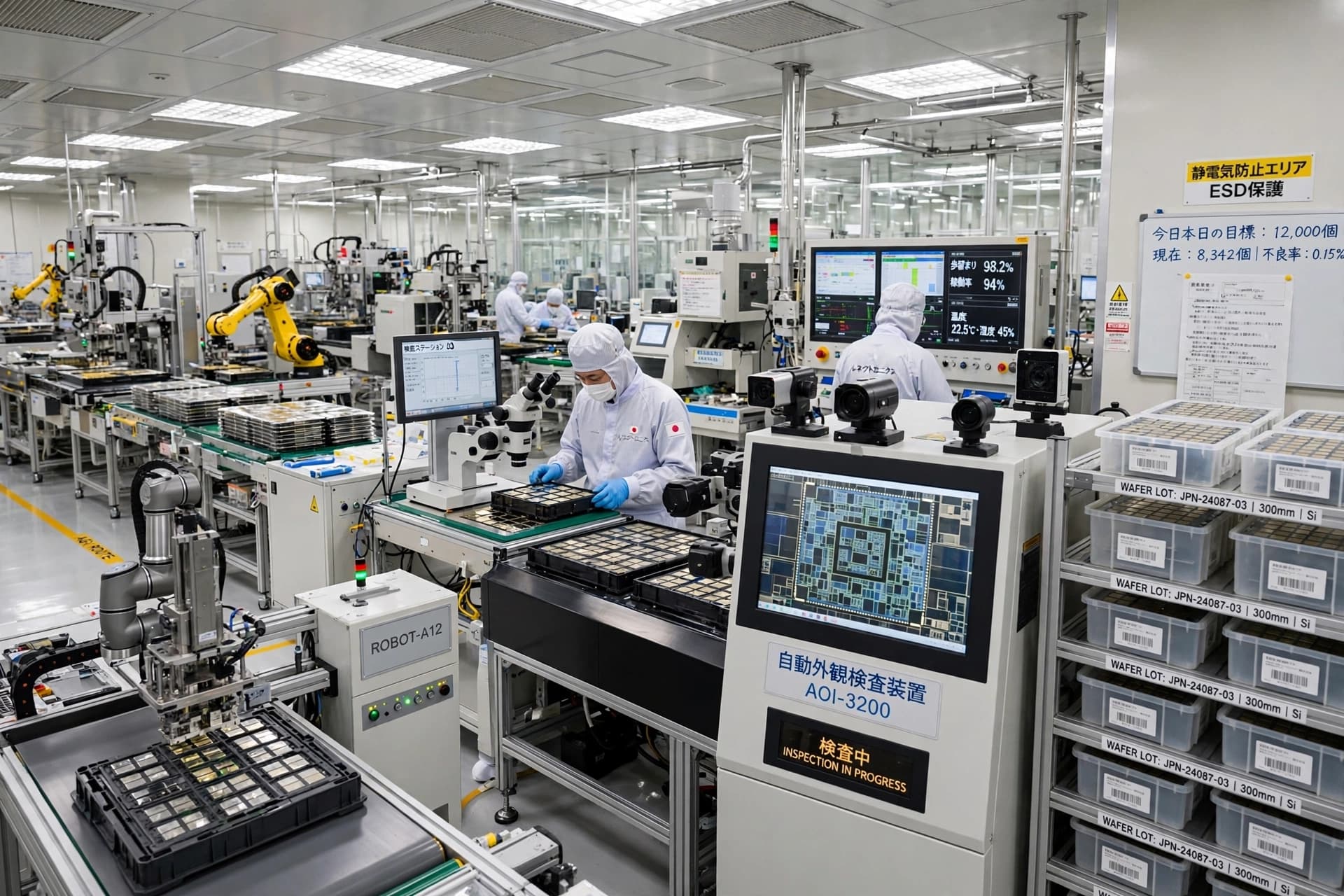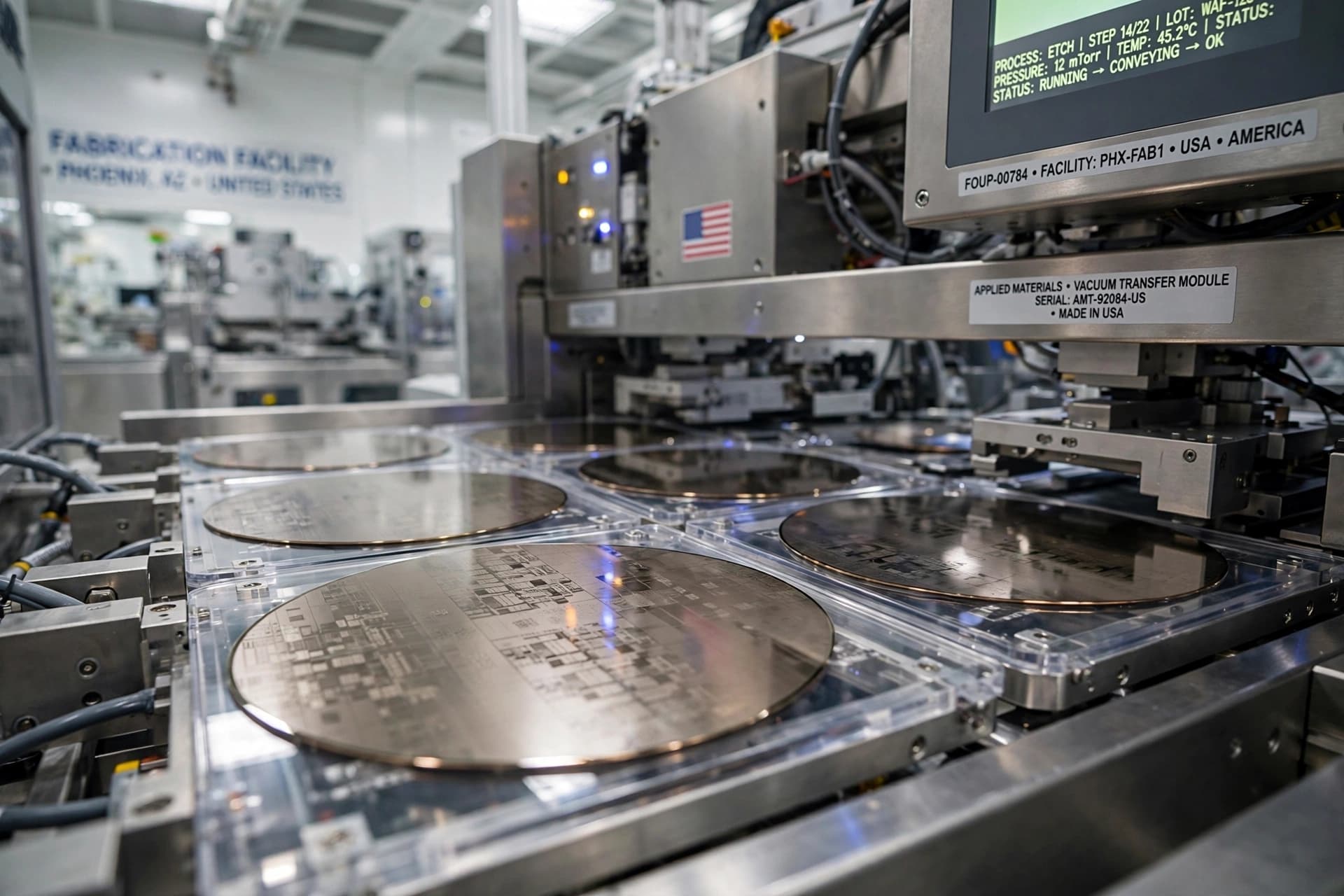
Inside a semiconductor factory, the work is almost impossibly small. Patterns measured at microscopic scales are formed onto silicon wafers, while machines operate in carefully controlled environments where temperature, vibration and contamination must be tightly managed.
Yet the importance of those tiny structures has rarely been larger. Across the United States, semiconductor manufacturers are expanding capacity as artificial intelligence and data-center development increase demand for advanced computing infrastructure.
Memory chips, processors and networking components have become essential parts of modern computing systems. As AI applications become more sophisticated, the amount of data that needs to be processed and stored continues to grow.
That demand is encouraging manufacturers to consider additional production capacity. Building a semiconductor facility, however, is a long process requiring specialized equipment, highly trained workers and significant capital investment.
The expansion is also connected to the wider growth of data centers. Large computing facilities require enormous quantities of processors and memory, creating demand throughout the semiconductor supply chain.
Companies must therefore make decisions based not only on today's demand but also on expectations for future computing requirements. A factory designed today may operate for many years, even as chip technology changes rapidly.
The industry is also developing new forms of connectivity. Modern AI data centers require increasingly fast movement of information between servers, creating additional demand for advanced networking and optical technologies.
This means that the semiconductor expansion is not limited to traditional computer processors. Memory, networking chips, optical components and specialized AI accelerators all form parts of the larger infrastructure supporting modern computing.
For the United States, semiconductor manufacturing is becoming an increasingly visible part of the industrial landscape. New facilities bring construction projects, specialized jobs and supporting businesses, while also requiring substantial supplies of electricity, water and advanced manufacturing equipment.
Across the American technology sector, the direction is becoming clearer: artificial intelligence is increasing demand for physical computing infrastructure, and semiconductor manufacturers are responding by expanding the capacity needed to build that infrastructure.
The factories may operate quietly behind controlled walls, but the chips produced inside them form part of the foundation supporting artificial intelligence, cloud computing and many of the digital services used every day.
IMAGE DISCLAIMER
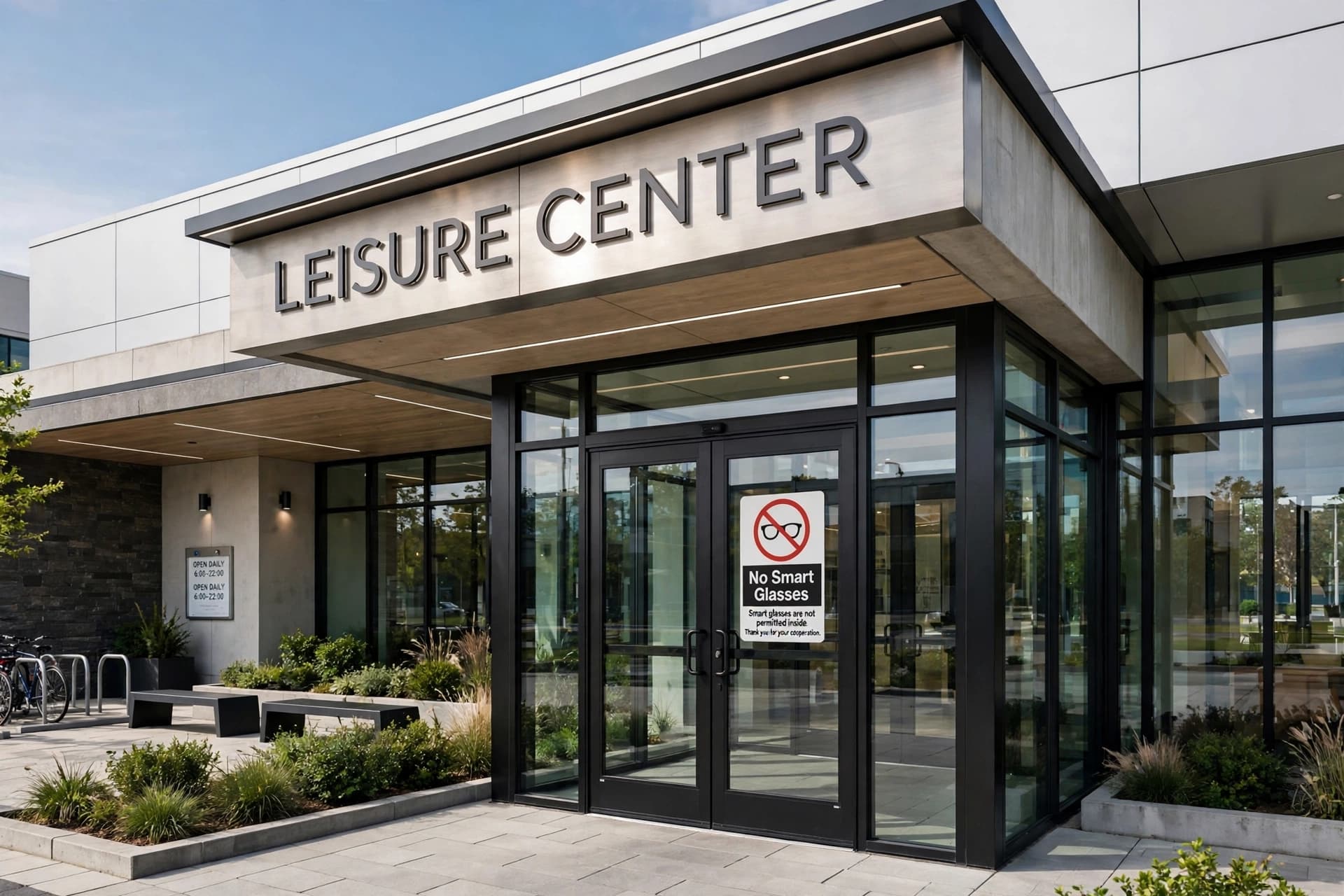
The visuals are AI-generated conceptual representations of semiconductor manufacturing and are not photographs of actual factories or projects.
SOURCES
Reuters The Wall Street Journal MarketWatch
Published by Banx Network. This article is part of the Banx decentralized media programme, powered by the BXE token on the XRP Ledger.