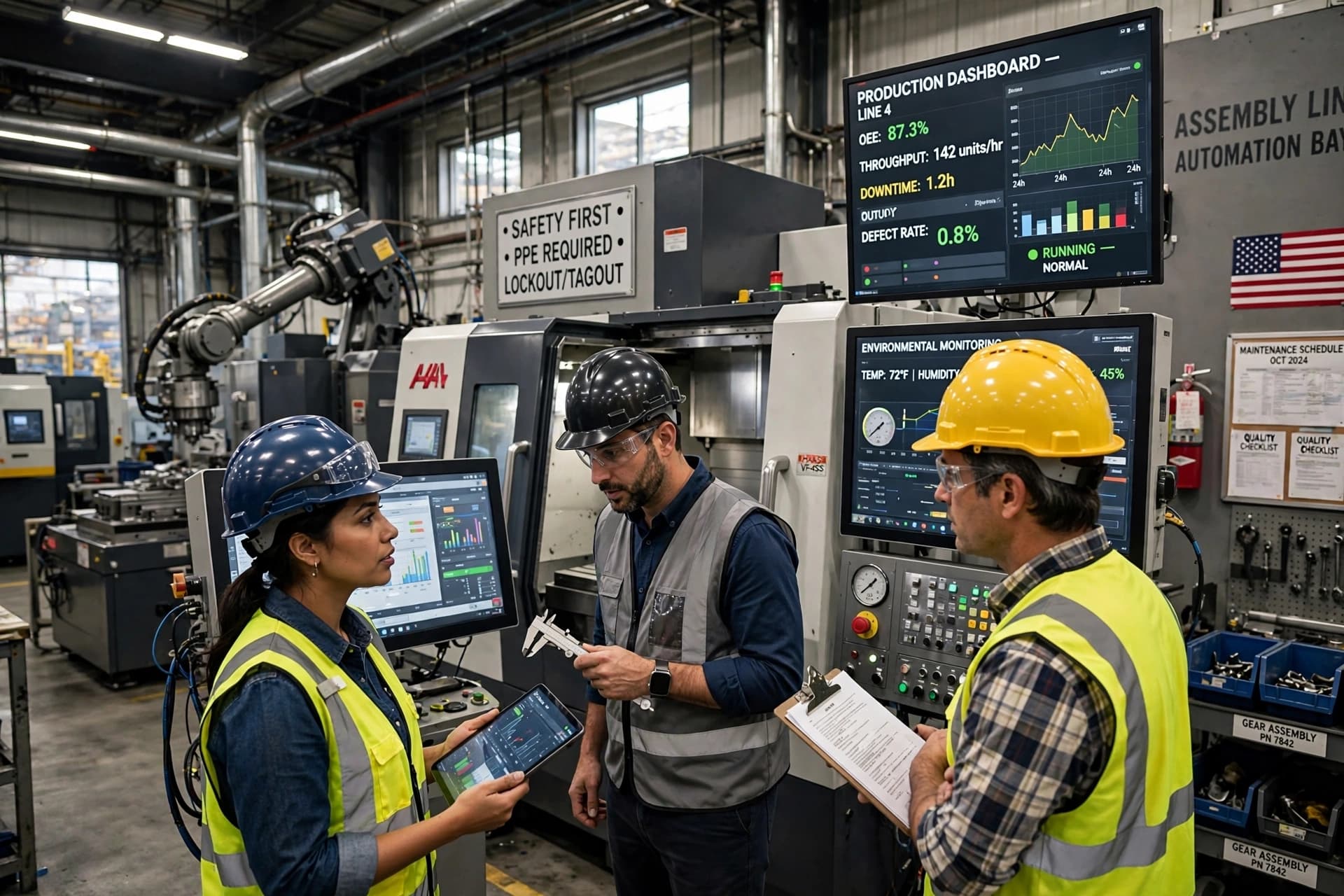
Inside an American factory, change can be measured in the movement of machines. A production line that once ran continuously may slow slightly, while managers watch orders, energy bills and borrowing costs from offices nearby.
That rhythm changed in August as U.S. factory production unexpectedly declined after seven consecutive months of increases. The Federal Reserve reported the decrease on September 18, adding another signal to the country's complicated industrial picture.
The decline comes as manufacturers face several competing forces. Demand for artificial-intelligence infrastructure continues to support portions of the technology economy, while higher energy prices and borrowing costs are creating additional pressure on other areas of manufacturing.
Oil prices have remained above $100 a barrel, according to Reuters, adding to concerns about the cost of transporting goods and operating energy-intensive industrial facilities.
Higher interest rates can also influence manufacturers through the cost of financing. Companies considering new equipment, factories or expansion projects must account for the price of borrowing when deciding how quickly to invest.
The Federal Reserve recently raised its benchmark interest rate, adding another layer to the economic environment facing American companies. The move came as policymakers continued responding to inflationary pressure.
Yet the manufacturing picture is not uniform. Some industries connected to artificial intelligence and advanced computing are benefiting from strong investment, creating demand for semiconductors, data-center equipment and specialized technology.
That contrast is increasingly visible across the industrial landscape. One factory may be operating at high capacity because of technology demand, while another faces weaker orders or higher operating expenses.
For workers and businesses, the monthly production figures provide a snapshot rather than a complete picture. Manufacturing decisions often depend on expectations extending months or years into the future.
The August decline therefore sits within a broader period of adjustment. After seven months of rising output, the latest figure suggests that manufacturers are encountering a more complicated combination of demand, costs and financial conditions.
American factories remain an important part of the economy, producing everything from machinery and electronics to transportation equipment and industrial materials. Their activity is closely watched because changes in production can affect employment, investment and supply chains.
As the year continues, manufacturers will be watching orders, energy prices, interest rates and technology investment. The machines may continue running, but the pace at which they run will depend on a changing economic landscape.
IMAGE DISCLAIMER
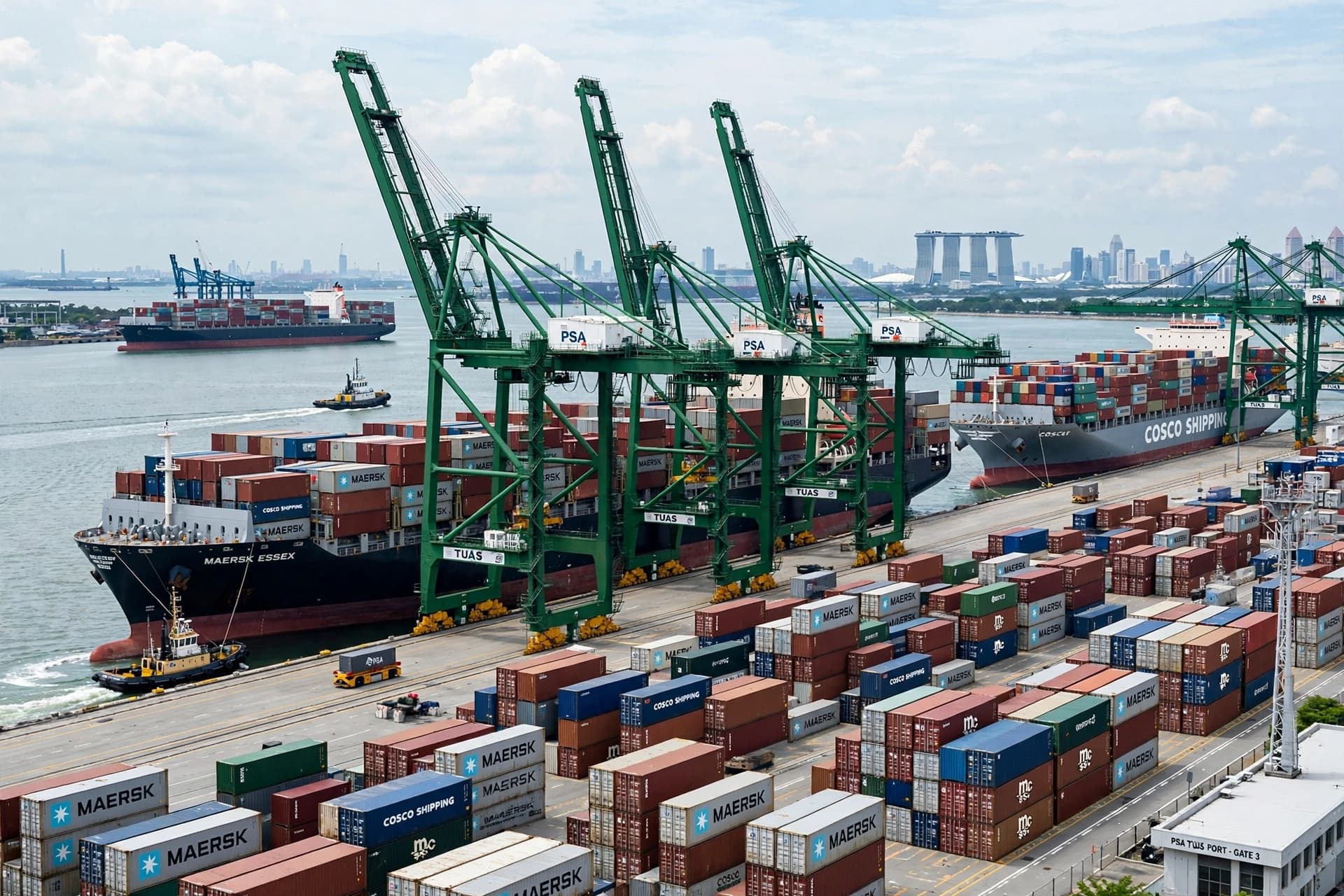
The accompanying visuals were generated using AI and are conceptual representations of U.S. manufacturing conditions.
SOURCES
Reuters Federal Reserve Associated Press
Published by Banx Network. This article is part of the Banx decentralized media programme, powered by the BXE token on the XRP Ledger.