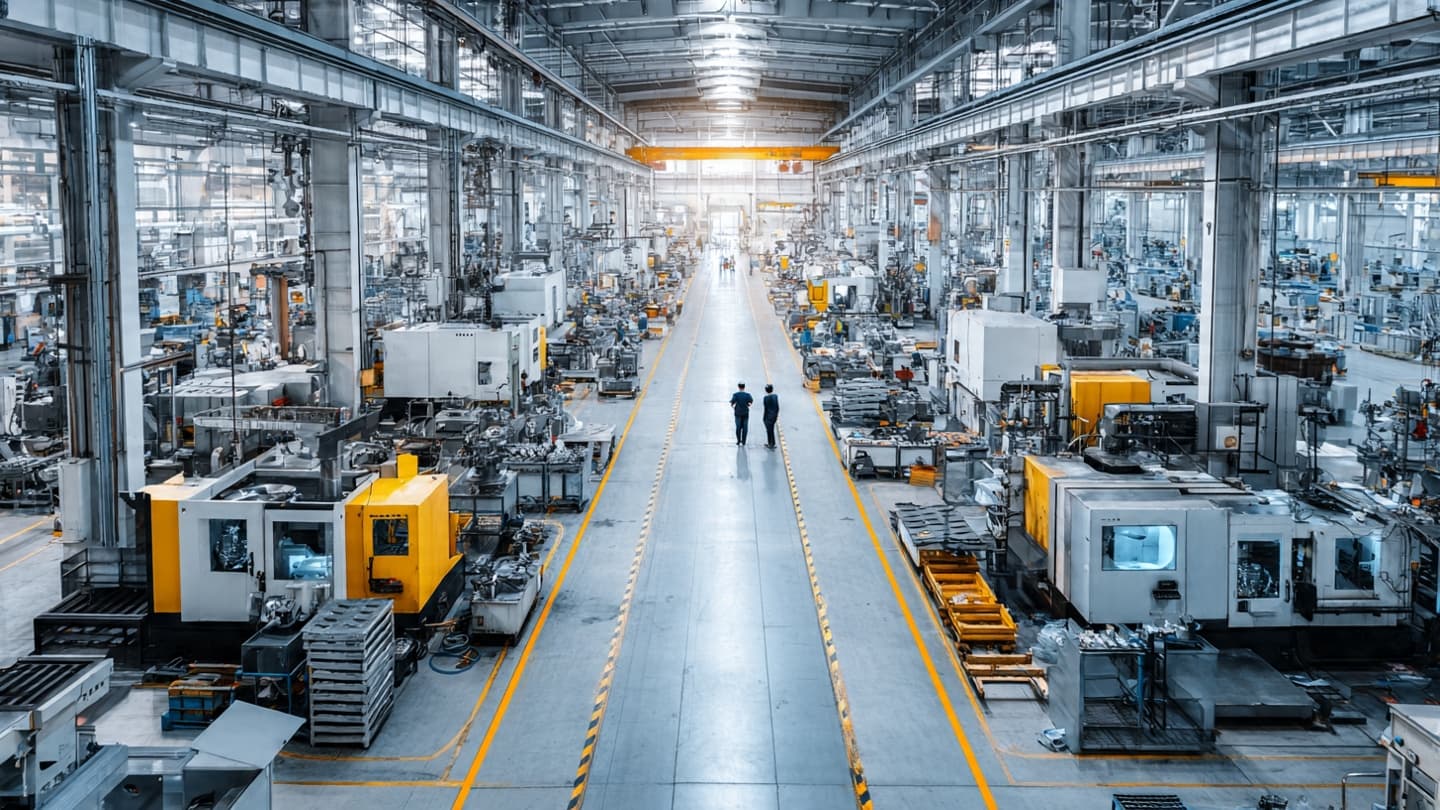
There is a particular rhythm to a factory floor: machines moving, materials arriving, orders being processed, and production continuing from one shift into the next. In August, that rhythm remained active across the United States, but its pace softened slightly. Manufacturing continued to expand, yet several indicators suggested that businesses were moving through a more cautious stretch.
The Institute for Supply Management’s manufacturing Purchasing Managers’ Index fell to 54.6 in August from 55.6 in July. Although the decline marked a slowdown, the index remained comfortably above the 50 threshold that separates expansion from contraction. August therefore represented the eighth consecutive month of manufacturing growth.
New orders provided one of the clearest signs of moderation. The New Orders Index declined to 53.7 from 56.7 in July, although it remained in expansion territory for an eighth consecutive month. Production was comparatively stable, slipping only slightly to 58.3 from 58.5.
The employment index also remained above 50, registering 51.2 compared with 52.8 a month earlier. That suggests factories were still adding employment overall, but at a slower pace. The August numbers therefore showed an industrial sector that continued to expand without displaying the same momentum seen during the previous month.
Behind the production figures, however, the cost of doing business remained an important concern. The prices index held at 71.1, indicating that manufacturers continued to face substantial increases in the prices they pay for inputs. Aluminum, copper, steel, electronic components, semiconductors and other materials were among those reported as becoming more expensive.
Supply conditions also remained uneven. The Supplier Deliveries Index rose to 59.3, signaling slower deliveries, while several electronic and industrial components remained in short supply. For manufacturers, that creates a familiar tension: demand may remain available, but production depends on whether the necessary materials can arrive at the right time and cost.
The August report also showed that inventories were growing, while customers’ inventories remained comparatively low. That combination suggests manufacturers and their customers continued to manage supplies carefully, balancing the desire to maintain production with the risks associated with uncertain delivery times and pricing.
Five of the six largest manufacturing industries expanded during August, including transportation equipment, petroleum and coal products, computer and electronic products, machinery, and food, beverage and tobacco products. The breadth of expansion helped keep the overall sector in positive territory despite the slower headline reading.
The August figures arrived after a particularly strong July, when the manufacturing PMI reached 55.6, its highest level since May 2022. Some of that earlier momentum had been associated with companies bringing forward orders amid concerns about shortages and higher costs. As that effect faded, the August figures offered a more measured picture of underlying activity.
For now, the American manufacturing sector remains in expansion, but the August data describe an economy moving with greater care. New orders slowed, production remained firm and prices stayed elevated, leaving factories to navigate a landscape where demand continues to exist alongside persistent pressure on materials, deliveries and operating costs.
AI Image Disclaimer The accompanying illustration, if used, is AI-generated for editorial visualization. It is not a documentary photograph and does not represent an exact real-world factory or event.
Sources Reuters Institute for Supply Management
Published by Banx Network. This article is part of the Banx decentralized media programme, powered by the BXE token on the XRP Ledger.

.jpg&w=3840&q=75 "Japan Electronics Surge: Conglomerate Reports Massive Appliance Sales Boom Across Asian Markets This Quarter")