
Key Highlights
- Iran has turned back a vessel reportedly bound for Pakistan in the Strait of Hormuz.
- The incident reflects heightened scrutiny over maritime movement amid regional tensions.
- The Strait of Hormuz remains a vital shipping route for global energy supplies.
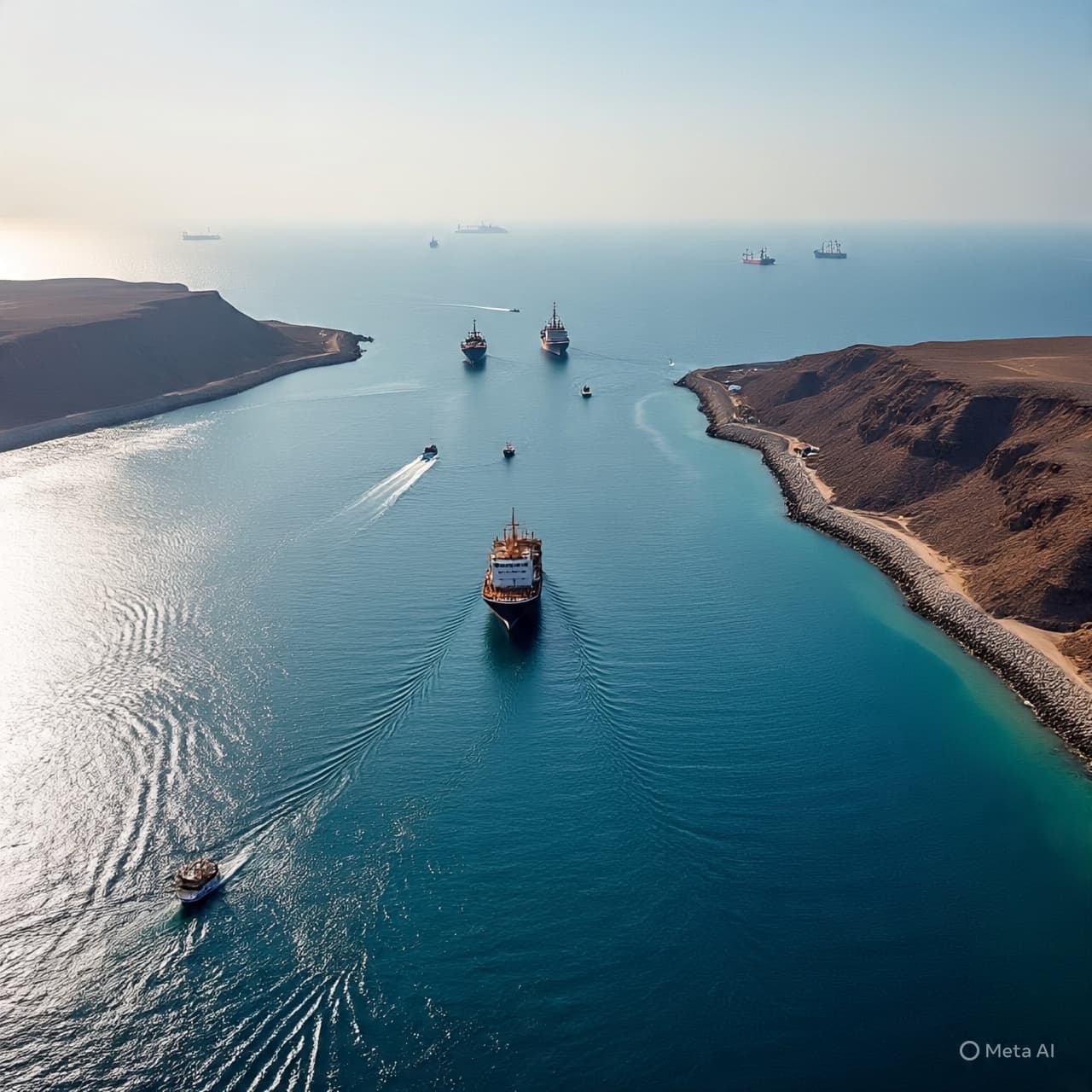
The Strait of Hormuz, a narrow passage linking the Persian Gulf to the wider ocean, has long been a focal point of geopolitical tension. Recently, authorities in Iran reportedly turned back a vessel that was en route to Pakistan, signaling a tightening of control in this critical maritime corridor. This decision, made without extensive explanation, comes at a time when the region is under heightened vigilance, with every ship's movement scrutinized not just for trade but for its broader implications.
The Strait itself is a vital artery for global energy supplies, with a significant percentage of the world's oil passing through its waters. The geography of the Strait invites attention, and during periods of tension, this scrutiny intensifies. Naval patrols and monitoring of shipping routes become more pronounced, transforming routine navigation into a matter of strategic importance. The reported incident involving the Pakistan-bound ship illustrates how authority is exercised in response to shifting political dynamics and security concerns.
Pakistan, reliant on energy shipments and goods that traverse these waters, is deeply connected to the Strait of Hormuz. Any disruption, whether temporary or symbolic, can have significant repercussions on supply lines that affect daily life and economic stability. The turning back of the vessel not only highlights Iran's control over its coastal waters but also underscores the delicate balance of power in the region.
For Iran, maintaining authority in the Strait is framed as a matter of sovereignty and national security. Actions such as redirecting vessels serve multiple purposes: they enforce compliance, signal resolve, and reinforce Iran's presence in a region where visibility often equates to authority. This incident, while limited in scope, reflects the broader climate of tension and the complexities of maritime law, where enforcement is often influenced by the realities of the moment.
As the situation unfolds, the facts remain clear: Iran has taken a decisive action by turning back a ship bound for Pakistan, reflecting the ongoing sensitivity surrounding one of the world's most vital shipping routes. The Strait of Hormuz continues to be a narrow, watchful passage, carrying not just cargo but the weight of geopolitical significance.
In this context, the sea remains indifferent, with waves continuing their quiet rhythm as ships adjust their courses. What changes is not the water itself, but the context through which it is crossed, illustrating the intricate interplay between maritime navigation and international relations.
Published by Banx Network. This article is part of the Banx decentralized media programme, powered by the BXE token on the XRP Ledger.



