
Key Highlights
- Three oil supertankers recently passed through the Strait of Hormuz.
- The strait is a vital corridor for global energy supply.
- Regional tensions continue to impact shipping security.
The Strait of Hormuz, a narrow waterway linking the oil-rich Persian Gulf to global markets, remains one of the most strategically significant maritime corridors in the world. Recently, three oil supertankers successfully navigated this critical passage, underscoring its importance in the context of ongoing geopolitical tensions. The movement of these vessels, while routine, carries implications that extend far beyond their physical transit.
In the current climate, where regional frictions involving Iran, Israel, and various international interests are prevalent, the passage of these tankers is a noteworthy event. Each vessel not only transports crude oil but also symbolizes the interconnectedness of global economies. A substantial portion of the world’s energy supply flows through the Strait of Hormuz, making its stability a matter of international concern. Disruptions in this corridor could have immediate and far-reaching consequences for markets, governments, and industries worldwide.
For maritime operators, navigating the Strait of Hormuz requires precision and heightened awareness. The journey is meticulously coordinated, often accompanied by increased security measures and close monitoring. The sheer size of the supertankers contrasts sharply with the narrowness of the strait, where their progress is measured not just in distance but also in the assurance of safe passage. The successful transit of these vessels reflects a delicate balance between necessity and the realities of regional tensions.
Iran, which borders the strait, views this waterway as a strategic asset, both economically and geopolitically. Its geographical position allows Iran to exert influence over one of the world’s most vital energy corridors, shaping its interactions with both regional and global actors. Concurrently, the presence of international naval forces in the area highlights a shared interest in maintaining open and secure shipping routes.
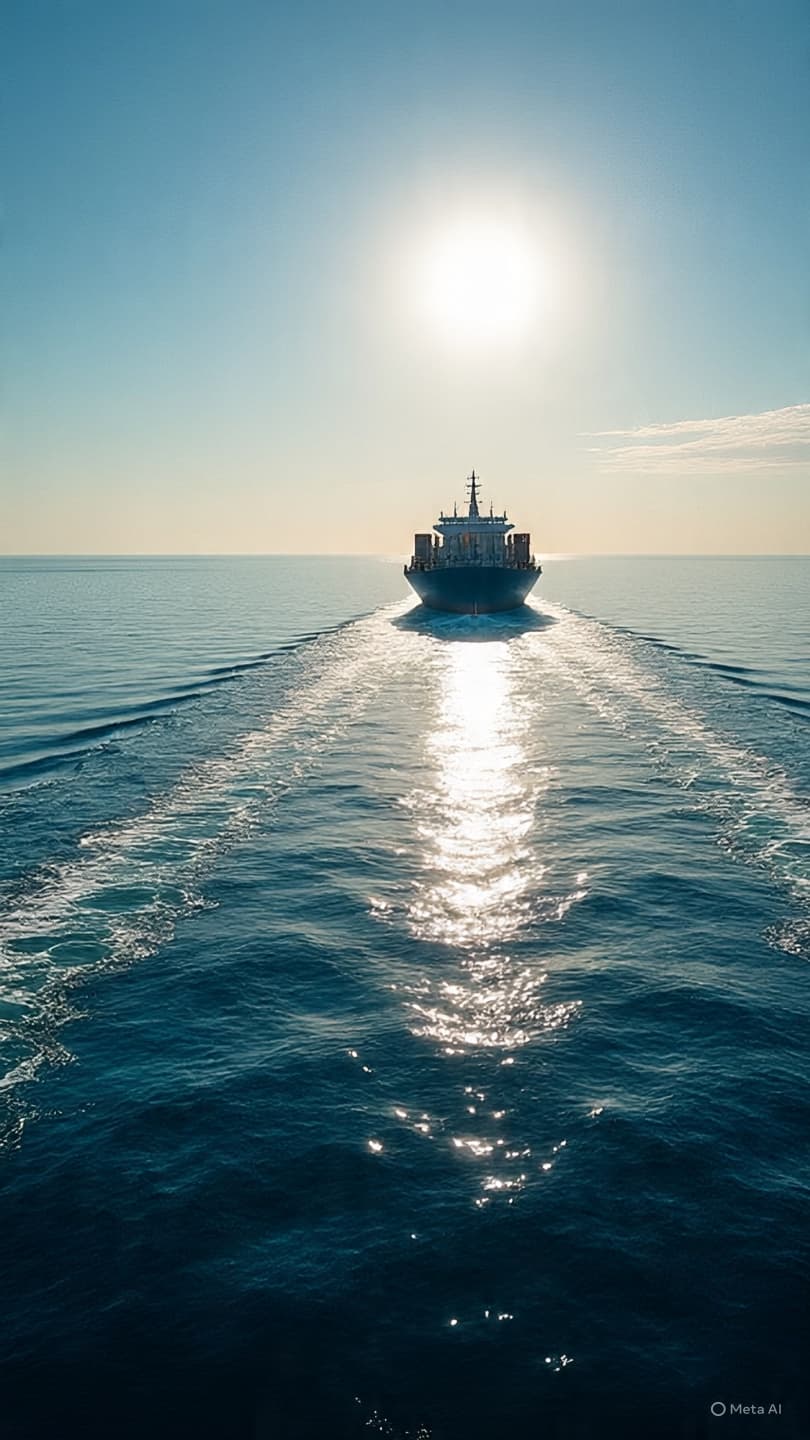
The image of three oil supertankers moving through the Strait of Hormuz may seem understated, devoid of dramatic gestures or immediate turning points. Yet, within this steady advance lies a powerful message: even amid uncertainty, essential flows continue, sustained by careful management and the pressing demands of global energy consumption. The infrastructure supporting these operations adapts to shifting conditions, ensuring that energy demands do not easily pause.
As the tankers exit the strait and enter open waters, their journey becomes less visible, merging back into the broader patterns of global trade. The narrow confines of the strait give way to the vastness of the sea, where the scrutiny of their passage softens. This moment encapsulates the ongoing rhythm of maritime movement that defines the Strait of Hormuz, a reminder that stability often exists quietly, carried forward not by the absence of risk, but by the steady navigation of it.
In practical terms, the successful transit of these oil supertankers through the Strait of Hormuz serves as a testament to the continued functionality of this critical global shipping route, even as regional tensions loom large. It emphasizes the importance of vigilance and coordination in maintaining the flow of energy resources essential to the global economy.
Published by Banx Network. This article is part of the Banx decentralized media programme, powered by the BXE token on the XRP Ledger.



