
Key Highlights
- Proposal:French President Emmanuel Macron advocates for naval escorts to protect commercial shipping in the Strait of Hormuz.
- Importance:The strait is a critical chokepoint for global oil exports, heightening the need for security amid regional tensions.
- Response:The initiative aims to reassure shipping companies and maintain the flow of commerce in a volatile environment.
In the narrow waters connecting the Persian Gulf to the wider ocean, the Strait of Hormuz serves as one of the world's most crucial maritime corridors. This vital passageway sees a constant flow of tankers laden with oil and container ships carrying goods essential to global trade. Recently, this corridor has garnered renewed attention from world leaders, particularly French President Emmanuel Macron, who has called for immediate action to enhance the security of commercial vessels traversing these waters.
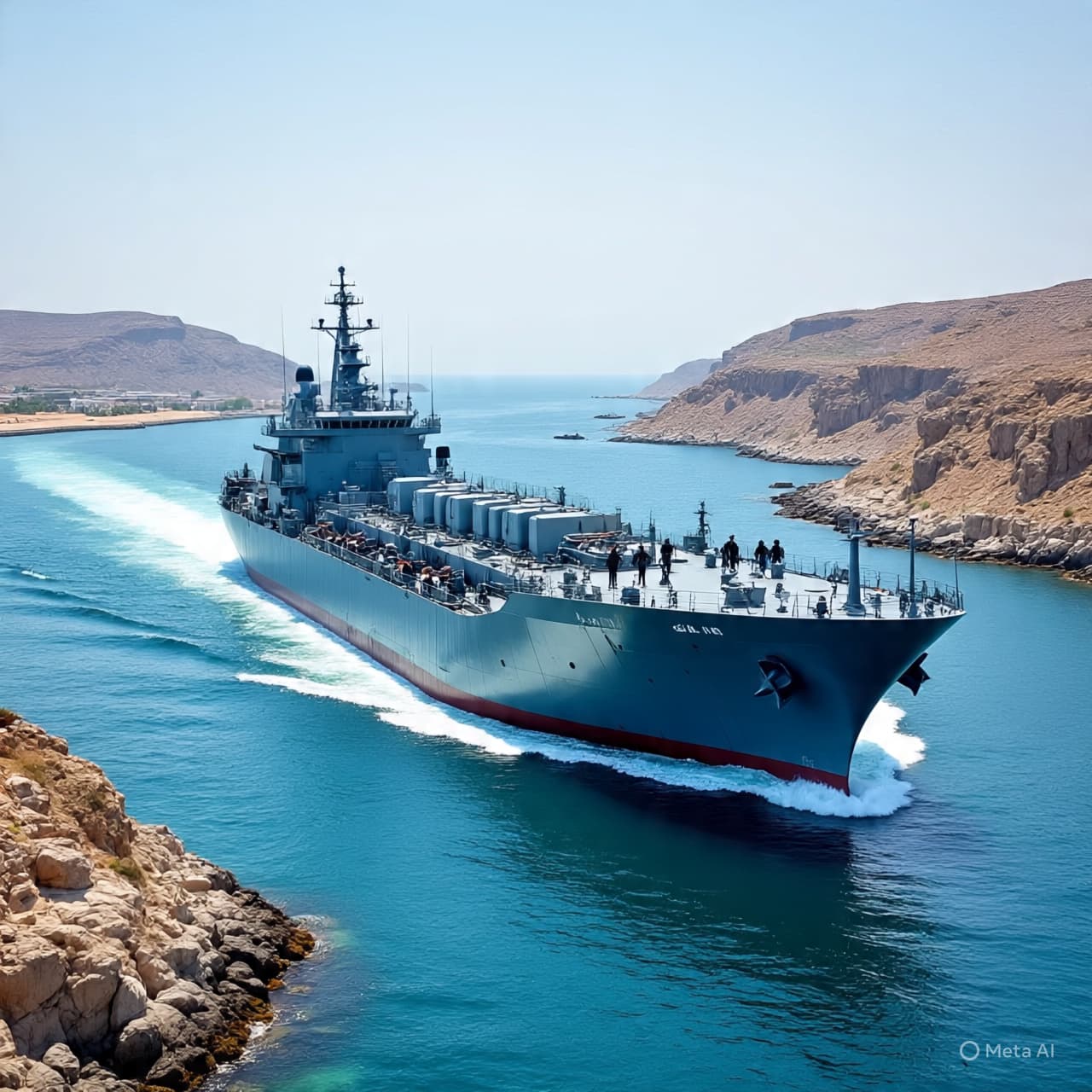
Macron's proposal emphasizes the need for naval escorts to protect container ships and oil tankers navigating through the Strait of Hormuz. He has urged that preparations be expedited to ensure the safety of these vessels amid escalating tensions in the region. The proposed mission is intended to be defensive, aimed at safeguarding commercial shipping from potential threats.
The Strait of Hormuz is not just a geographical feature; it is a strategic chokepoint through which a significant portion of the world's oil exports flows. The implications of any disruption in this corridor extend far beyond the immediate area, affecting global energy supplies and international trade. As tensions rise in the Middle East, shipping companies and governments are increasingly vigilant, monitoring the strait closely for any signs of instability.
Recent events have underscored the urgency of Macron's call for action. Security threats and the potential for attacks on vessels have prompted some shipping operators to rethink their routes or delay voyages, creating uncertainty in energy supplies and trade. In response, Macron's initiative seeks to establish a protective maritime presence that can reassure shipping companies and ensure the uninterrupted flow of commerce.
Naval escorts, which involve warships accompanying commercial vessels through vulnerable areas, have been employed in the past to mitigate risks associated with piracy, conflict, or other maritime threats. France already maintains a military presence in parts of the region and has previously participated in international maritime security efforts. Under Macron's plan, additional naval assets could be deployed or coordinated with allied navies to patrol and escort vessels through the strait.
This proposal reflects a broader strategy among Western nations to prevent disruptions in global shipping routes. Given that a substantial portion of the world's energy supply passes through the Strait of Hormuz, any prolonged interruption could have significant repercussions, including rising prices and strained supply chains that rely on consistent maritime transport.
Currently, the proposal remains in the planning and diplomatic discussion phase. However, the urgency expressed by Macron highlights the seriousness with which governments are approaching the security of this vital waterway. As commercial vessels continue their journeys through the strait, they carry not only cargo but also the weight of geopolitical tensions and the ongoing need for secure trade routes.
Published by Banx Network. This article is part of the Banx decentralized media programme, powered by the BXE token on the XRP Ledger.



