There are waterways that seem less like geography and more like thresholds—narrow passages where the movement of ships feels tied to something larger than transit alone. The Strait of Hormuz is one such place, where the sea tightens into a corridor and the world’s energy flows pass in measured lines, each vessel carrying not only cargo but consequence.
In recent hours, Israel has said it killed a senior naval commander from Iran—an officer described as overseeing efforts related to a potential blockade of the Strait of Hormuz. The claim emerges within the broader arc of escalating tensions across the region, where military actions and strategic calculations continue to unfold alongside one another, often without pause.
Details surrounding the strike remain limited, as is often the case in such moments. Statements offer outlines rather than full pictures, and each account reflects the perspective from which it is issued. Yet the significance of the reported target—linked to maritime strategy in one of the world’s most critical shipping lanes—adds a layer of weight to the development, connecting it to concerns that extend far beyond the immediate event.
The Strait of Hormuz has long held a particular place in global awareness, not only for its geography but for what passes through it. A substantial portion of the world’s oil supply moves along this route, making its stability a matter of international attention. The idea of disruption—whether through blockade, threat, or uncertainty—carries implications that ripple outward into markets, policy decisions, and the daily functioning of economies far removed from the Gulf.
Within this context, the reported killing becomes part of a larger pattern, where actions are both immediate and symbolic. Military operations, especially those targeting individuals in positions of strategic influence, are often interpreted not only for their tactical impact but for the messages they convey. They shape perceptions of capability, intent, and the evolving balance between opposing sides.
For Iran, the role of naval forces in the Gulf region has been closely tied to broader deterrence strategies, including the potential to influence maritime movement. For Israel, whose operations have increasingly extended across multiple domains, such actions reflect a wider engagement with regional developments that intersect with its own security considerations.
Beyond the specifics of the event, the moment underscores the delicate interplay between geography and geopolitics. A narrow stretch of water becomes a focal point for global concern, its significance amplified by the volume of what passes through it and the tensions that surround it. The sea itself remains unchanged, but the context in which it is navigated shifts with each development.
As the situation continues to evolve, the facts stand with measured clarity: Israel says it has killed an Iranian naval commander linked to oversight of a potential Strait of Hormuz blockade; the claim forms part of ongoing regional tensions involving military actions and strategic positioning; the development draws attention to the continued importance of the waterway in global energy and security considerations. In the quiet between waves, where ships continue their passage, the sense of continuity persists—yet it moves alongside a growing awareness that even the most familiar routes can carry new uncertainties.
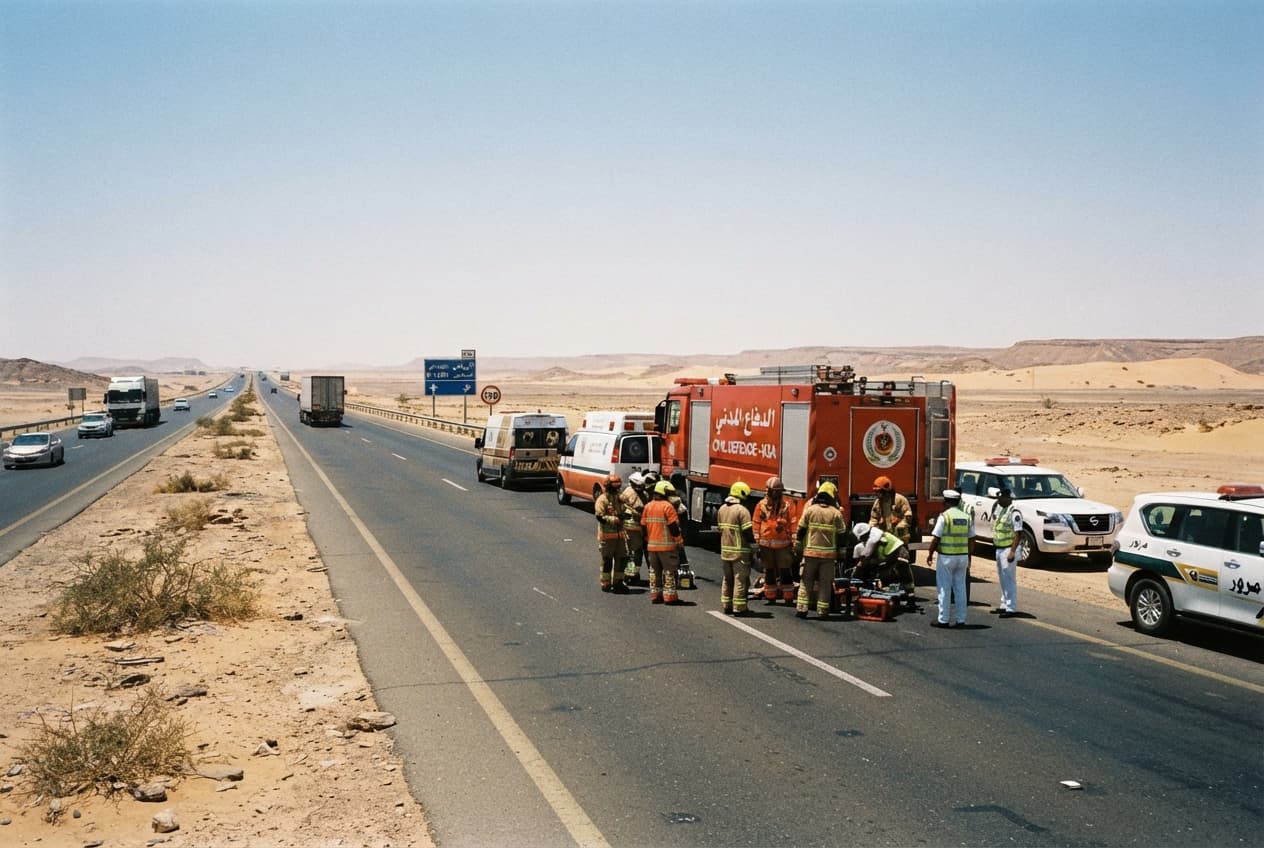
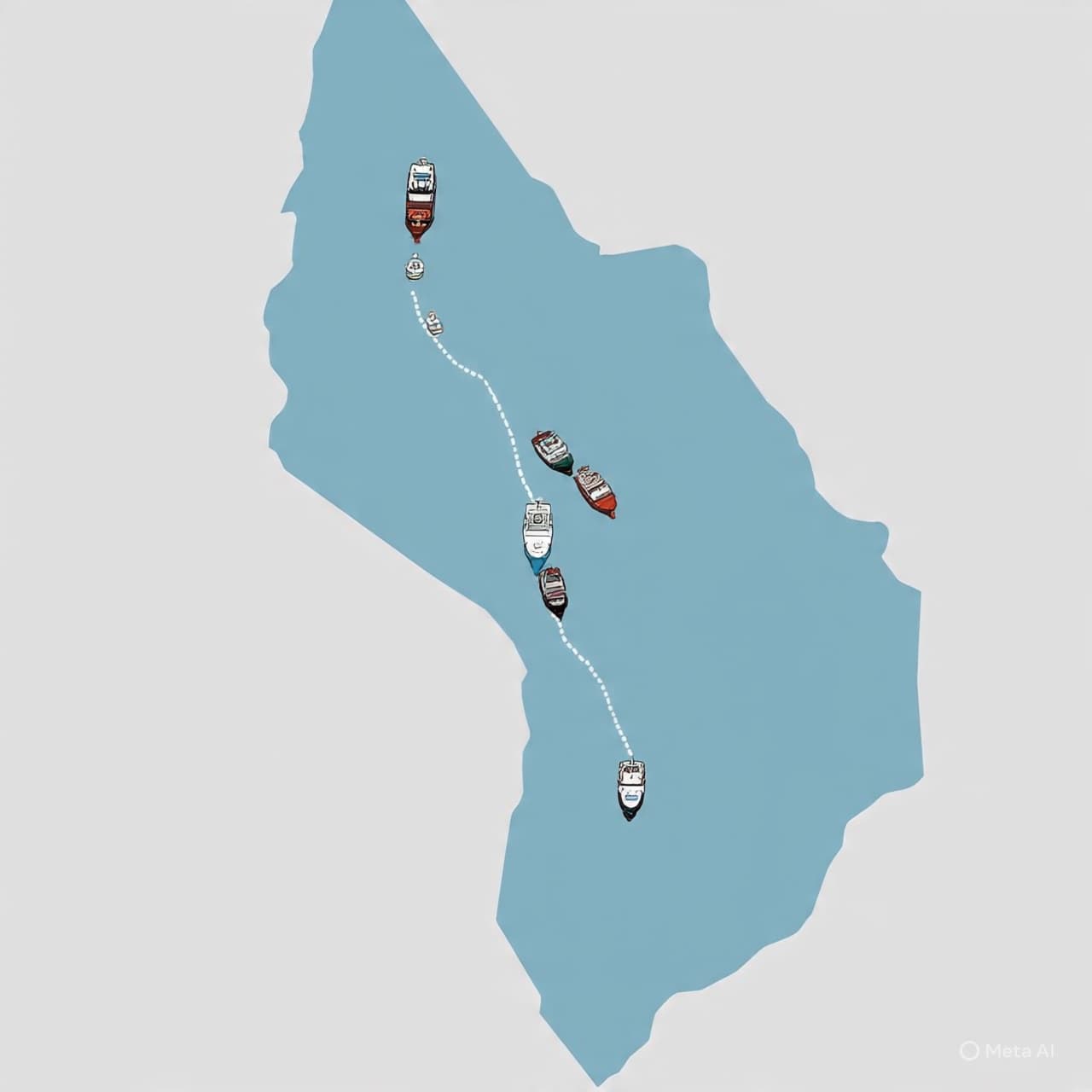
AI Image Disclaimer Illustrations were created using AI tools and are not real photographs.
Sources Reuters BBC News Al Jazeera Associated Press The New York Times
Published by Banx Network. This article is part of the Banx decentralized media programme, powered by the BXE token on the XRP Ledger.