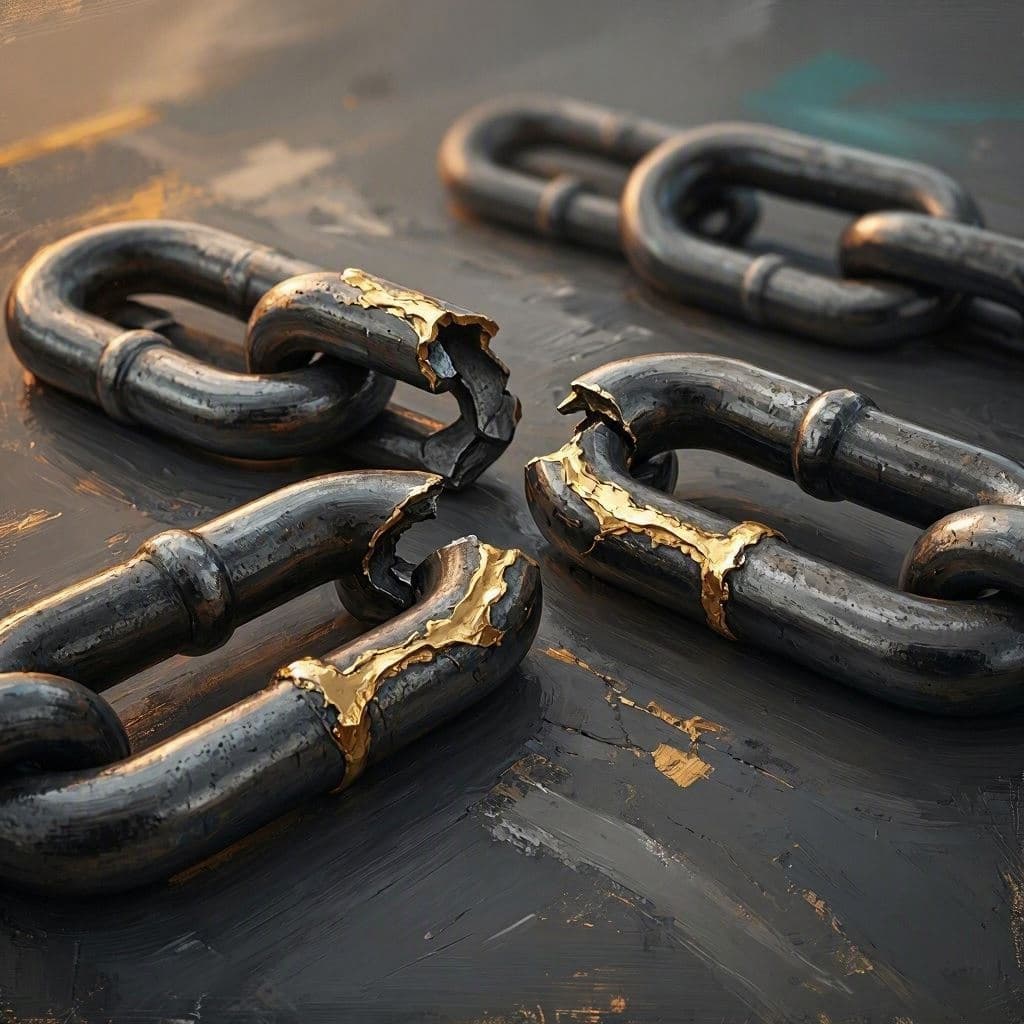
History is not merely a record of the past; it is a living conversation that continues to shape the present. For centuries, the legacy of slavery has cast a long shadow over the relationship between the Caribbean and the United Kingdom. Now, Jamaica is stepping forward to address this historical debt directly, bringing its case for reparations to King Charles III. This move is not just a political maneuver but a profound moral appeal, seeking acknowledgment and redress for the suffering inflicted during the era of colonial rule. It is a moment of reckoning that invites both nations to look honestly at their shared history.
The request for reparations is rooted in the brutal reality of the transatlantic slave trade, where millions of Africans were enslaved and forced to work on plantations in the Caribbean. Jamaica, once a British colony, was central to this system, generating immense wealth for Britain while enduring profound human rights abuses. The descendants of those enslaved people continue to face socioeconomic challenges linked to this historical injustice. The call for reparations is an effort to address these lingering inequalities and to recognize the humanity that was denied to their ancestors.
King Charles III, as the head of the Commonwealth and the British monarch, represents the institution that oversaw this era. While he does not hold political power, his symbolic role makes him a significant figure in this dialogue. The Jamaican government’s decision to engage with him directly reflects a desire for a personal and institutional acknowledgment of wrongdoing. It is a diplomatic yet firm step toward healing, suggesting that true reconciliation requires more than just words; it requires action and restitution.
The concept of reparations is complex, involving financial compensation, educational initiatives, and formal apologies. Jamaica is not alone in this pursuit; other Caribbean nations are also exploring similar paths. The Caribbean Community (CARICOM) has established a commission to study the impact of slavery and propose remedies. This regional solidarity strengthens Jamaica’s position, highlighting that the issue is not isolated but part of a broader pattern of historical injustice that demands a collective response.
Britain’s response to these calls has been mixed. While some officials have expressed regret for the past, others have resisted the idea of financial reparations, citing the complexity of historical accountability. However, the growing global awareness of racial justice and colonial legacy is shifting the conversation. Public opinion in the UK is increasingly supportive of acknowledging historical wrongs, creating a potential opening for constructive dialogue. The monarchy, too, is navigating its role in a post-colonial world, seeking to remain relevant and respectful.
This diplomatic engagement offers an opportunity for both nations to redefine their relationship. It moves beyond the traditional dynamics of colonizer and colonized toward a partnership based on mutual respect and honesty. By addressing the past openly, Jamaica and Britain can build a future that acknowledges the pain of history while working toward shared prosperity. It is a challenging path, but one that holds the promise of genuine reconciliation.
The international community watches this development with interest, as it sets a precedent for how former colonial powers and their colonies can address historical grievances. Other nations may follow Jamaica’s lead, seeking similar acknowledgments and reparations. This could lead to a global reevaluation of colonial history and its ongoing impacts. It is a significant moment in the ongoing struggle for justice and equality worldwide.
Ultimately, the case for reparations is about dignity. It is about affirming the worth of those who suffered and ensuring that their stories are not forgotten. By bringing this case to King Charles III, Jamaica is asserting its right to be heard and to seek justice. It is a powerful statement of resilience and hope, demonstrating that even after centuries of oppression, the quest for fairness remains alive and urgent.
Jamaica’s pursuit of reparations from King Charles III is a significant step toward addressing the legacy of slavery. It invites a honest dialogue about history and justice. Let this moment foster understanding and meaningful change.
AI Image Disclaimer: The visuals accompanying this piece are AI-generated interpretations intended for illustrative purposes only.
Sources: BBC News Al Jazeera The Guardian
Published by Banx Network. This article is part of the Banx decentralized media programme, powered by the BXE token on the XRP Ledger.