Healing is a process that unfolds in silence, a biological symphony played out at the cellular level. For those dealing with chronic wounds or slow-healing injuries, this symphony can sometimes lose its rhythm. Recent advancements in medical technology offer a new conductor for this process: laser preconditioning. Specifically, the use of a 755-nm picosecond diffractive lens array has shown promise in accelerating the body’s natural repair mechanisms.
This innovative approach does not rely on harsh interventions but rather on gentle stimulation. By applying precise, ultra-short pulses of laser light to the skin before a wound occurs or immediately after, researchers have observed a significant uptick in the activity of genes responsible for tissue repair. It is akin to waking up the body’s defense systems before they are urgently needed, preparing them for action.
The 755-nanometer wavelength is particularly effective because it penetrates the skin to a depth that influences dermal cells without causing thermal damage. The picosecond duration ensures that the energy is delivered so quickly that it creates a mechanical effect rather than a heat-based one. This precision minimizes collateral damage to surrounding healthy tissue, making the treatment safe and well-tolerated.
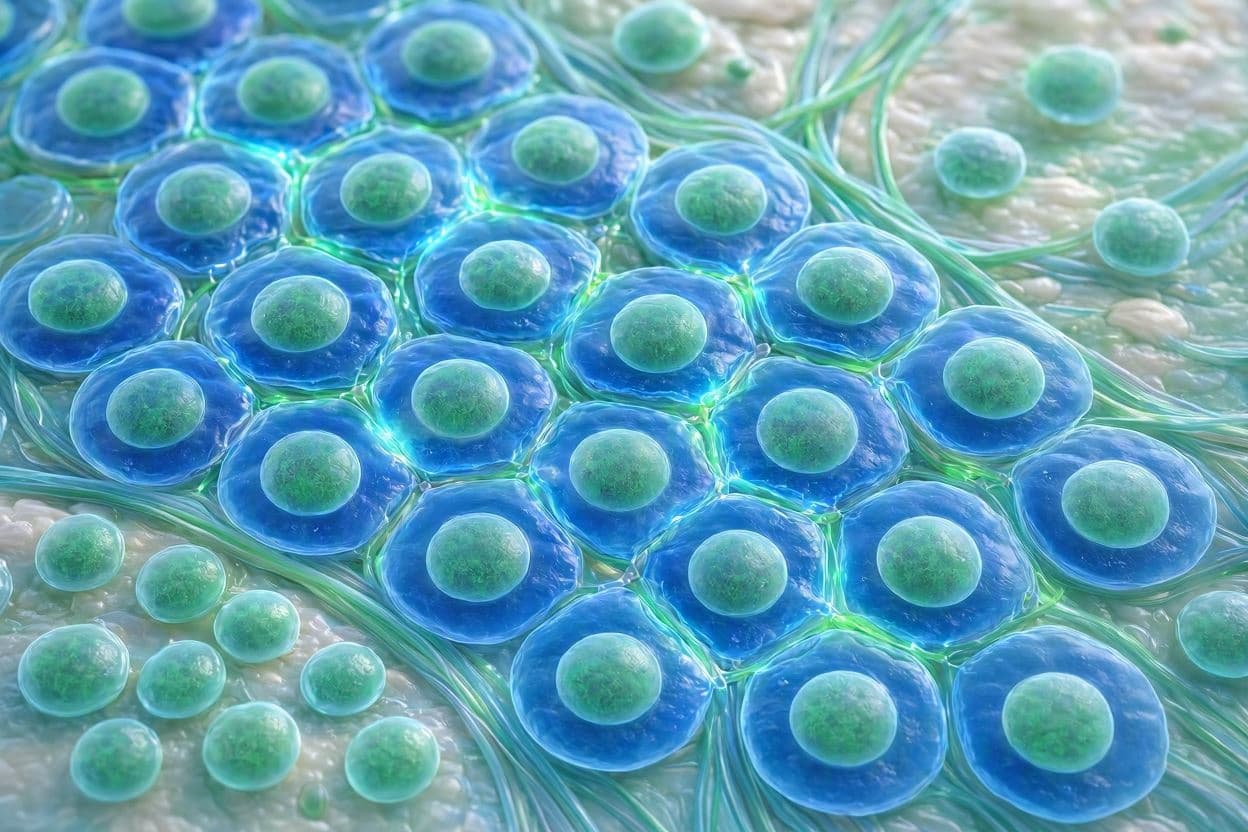
Central to this breakthrough is the activation of reparative gene networks. These networks control the production of proteins and growth factors that are essential for cell migration, proliferation, and collagen synthesis. By jump-starting these genetic pathways, the laser treatment effectively shortens the inflammatory phase of healing and moves the body more quickly into the regenerative phase.
The diffractive lens array plays a crucial role in distributing the laser energy evenly across the treatment area. This uniformity ensures that all cells receive the necessary stimulus, avoiding hot spots that could lead to uneven healing or scarring. The technology represents a shift from broad-spectrum treatments to highly targeted, personalized care.
Clinical applications for this technology are vast, ranging from post-surgical recovery to the treatment of diabetic ulcers and burns. For patients who suffer from impaired healing due to age or underlying health conditions, this method offers hope for faster recovery times and reduced risk of infection. It transforms wound care from a passive waiting game into an active, accelerated process.
As research continues, the potential for combining laser preconditioning with other therapies grows. It may become a standard part of pre-operative protocols, ensuring that patients are biologically prepared for surgery. This proactive approach aligns with the broader trend in medicine toward prevention and optimization, rather than just reaction and repair.
The integration of laser technology into wound care highlights the power of precision medicine. By harnessing the body’s own genetic capabilities, we can support healing in ways that are both effective and gentle, offering a brighter outlook for patients facing difficult recoveries.
AI Image Disclaimer: Images used to depict this medical advancement are AI-generated for illustrative purposes.
Sources: Journal of Investigative Dermatology Biomedical Optics Express National Institutes of Health (NIH)
Published by Banx Network. This article is part of the Banx decentralized media programme, powered by the BXE token on the XRP Ledger.