
Key Highlights
- Incident:Two men charged with attempting to deliver drugs to Cloverhill Prison via drone.
- Value:The alleged delivery is valued at approximately €6,400.
- Legal Proceedings:The case is currently in its early stages, with further hearings expected.
[Drone Delivery Incident]
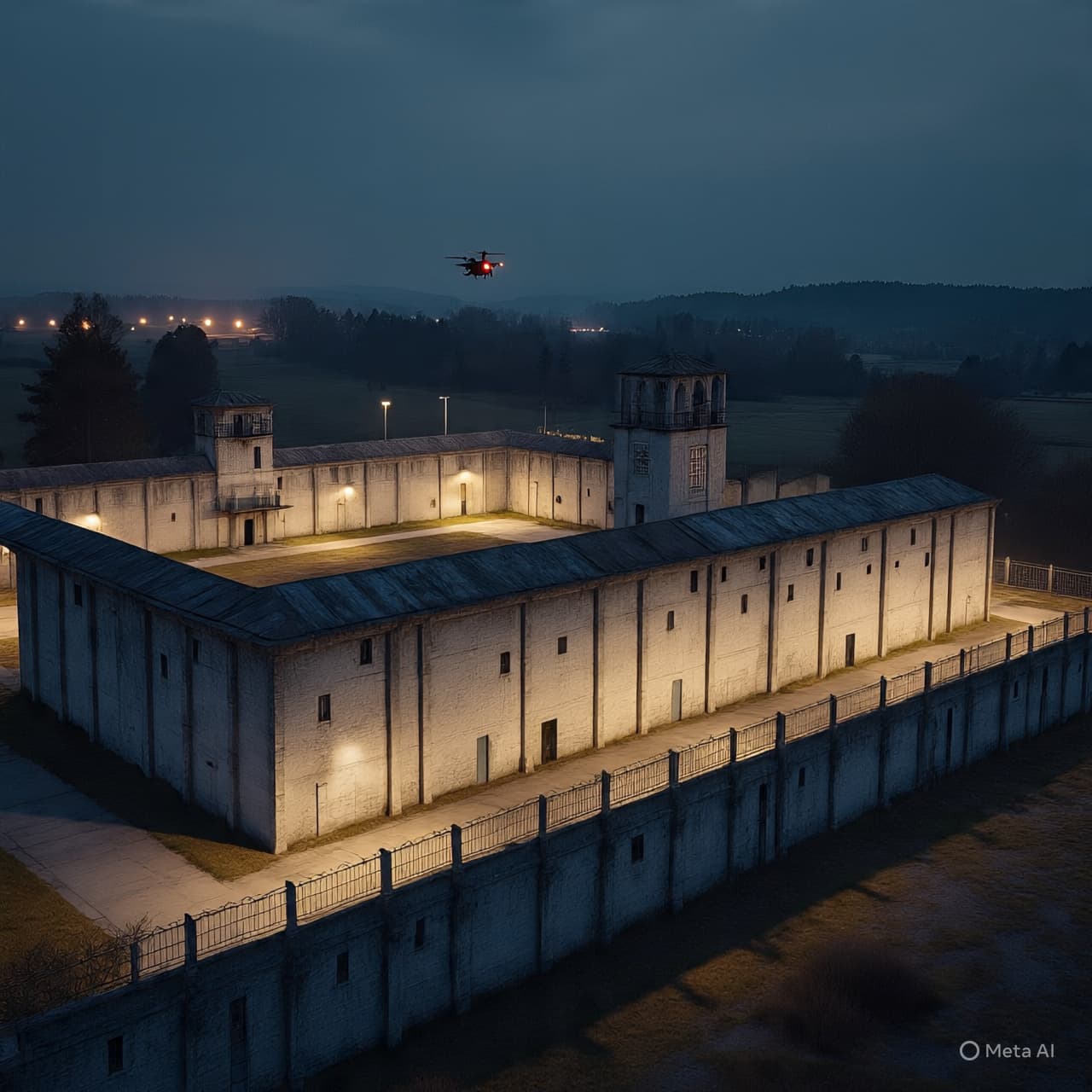
In a striking incident that underscores the evolving methods of contraband transport, two men have appeared in court in Dublin, facing charges related to an alleged drone delivery of drugs to Cloverhill Prison. The incident, which reportedly involved a drone carrying illegal substances valued at around €6,400, raises significant questions about security measures in correctional facilities and the innovative tactics employed by those attempting to breach them.
The drone, a remotely operated device, was purportedly intended to navigate the airspace above the prison, bypassing traditional security measures such as walls and gates. This method of delivery highlights a growing trend where technology is increasingly utilized to circumvent established barriers, a phenomenon that has been observed in various jurisdictions worldwide. As authorities grapple with these new challenges, the implications for prison security and contraband control are profound.
[Legal Context]
As the case unfolds, the legal proceedings are still in their infancy. The two accused men are expected to face scrutiny regarding the specifics of the drone's operation, including its launch point and intended landing site. The court will also examine how law enforcement became aware of the drone's activity, which is crucial for understanding the broader context of the incident. Legal experts suggest that the outcome of this case could set important precedents regarding the use of drones in criminal activities, particularly in relation to prison security.
[Security Implications]
Prisons are traditionally designed with ground-based security in mind, featuring high walls, secure gates, and vigilant monitoring systems. However, the introduction of aerial routes for contraband delivery challenges these conventional security paradigms. While the sky may seem unguarded, it is not without its own set of surveillance technologies and detection systems. Authorities are now tasked with adapting their strategies to address this new frontier in contraband transport, which could lead to enhanced security measures in the future.
[Public Reaction]
The incident has sparked discussions among the public and experts alike regarding the implications of drone technology in criminal activities. Many are concerned about the potential for drones to be used for other illicit purposes, not just in prisons but across various sectors. The conversation around drone regulation and security is likely to intensify as more cases like this come to light, prompting calls for stricter controls and oversight.
[Next Steps]
As the legal process continues, the case against the two men will be closely monitored. Further hearings are anticipated, and the outcomes may influence how authorities approach drone surveillance and security in the future. For now, the incident serves as a reminder of the ever-evolving landscape of crime and technology, where boundaries are continually tested and redefined.
Published by Banx Network. This article is part of the Banx decentralized media programme, powered by the BXE token on the XRP Ledger.



