
Key Highlights
- Sudan accuses Ethiopia and the UAE of orchestrating drone strikes.
- The allegations have disrupted airport operations and heightened regional tensions.
- International observers express concern over the implications of drone warfare in civilian areas.
In the heart of northeastern Africa, Sudan has found itself at the center of escalating tensions following accusations against Ethiopia and the United Arab Emirates (UAE) regarding drone strikes that have disrupted airport operations. The Sudanese government has publicly stated that these external actors are responsible for the recent attacks, which have not only affected civilian travel but also humanitarian logistics critical to the region.
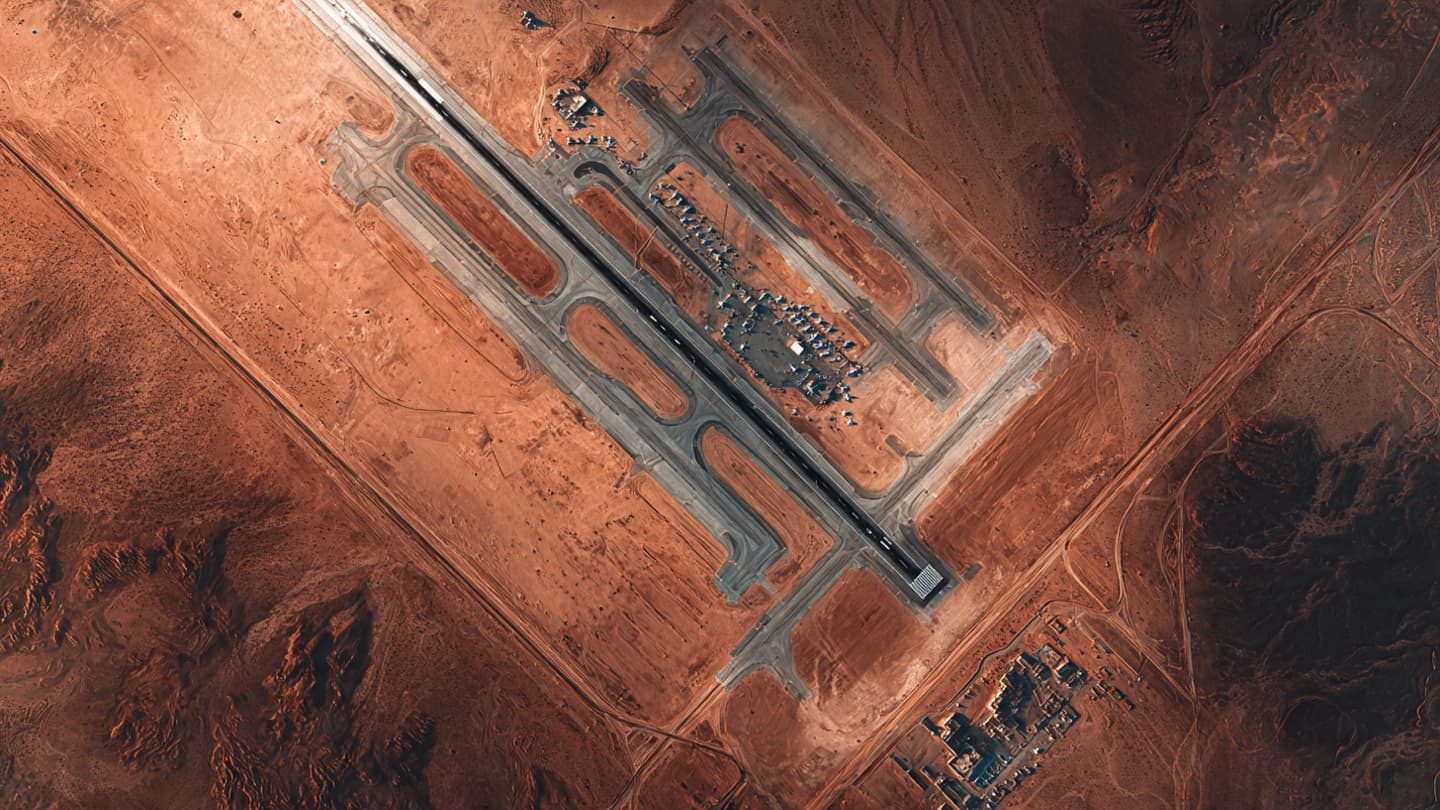
The airport in question serves as a vital hub for both domestic and international flights, as well as for aid deliveries. However, the ongoing conflict in Sudan has led to repeated disruptions, with the recent drone strikes adding to the already precarious situation. The Sudanese authorities have called for investigations into the incidents, but independent verification of the claims remains elusive. Both Ethiopia and the UAE have denied involvement, emphasizing their commitment to regional stability.
Drone warfare has become a significant aspect of modern conflicts, and its implications are particularly pronounced in densely populated areas like Sudan. The use of drones near civilian infrastructure raises serious concerns about the safety of non-combatants and the blurring of lines between military and civilian targets. International observers have noted that such incidents complicate the already intricate dynamics of regional diplomacy, where accusations can have far-reaching consequences.
The geopolitical landscape of the Horn of Africa is complex, with Ethiopia and the UAE playing influential roles in various political and economic networks. Any suggestion of their involvement in cross-border military operations could strain diplomatic relations and alter the balance of power in the region. As the situation unfolds, both nations have reiterated their denials, while calls for restraint and thorough investigations have emerged from various international channels.
On the ground, the immediate effects of the drone strikes are palpable. Flights have been delayed or rerouted, and security measures at the airport have been tightened. Travelers and airport staff are navigating an environment that feels increasingly uncertain, where the usual rhythms of air travel are disrupted by the specter of conflict. The airport, once a bustling transit point, now serves as a stark reminder of the broader geopolitical tensions at play.
As investigations into the drone strikes continue, the narrative surrounding these events is likely to evolve. In a region where multiple conflicts intersect, each accusation and denial contributes to a larger tapestry of competing narratives. The implications of these drone strikes extend beyond immediate damage; they touch on issues of sovereignty, security, and the changing nature of warfare in the 21st century.
For now, Sudan remains in a state of limbo, caught between the realities of airspace navigation and the interpretations of ongoing conflicts. The airport stands as both a critical infrastructure and a symbol of the complex interplay of regional power dynamics, waiting for clarity amidst the swirling accusations that have already taken flight.
Published by Banx Network. This article is part of the Banx decentralized media programme, powered by the BXE token on the XRP Ledger.



